Formula 1 has never been shy about tearing up the rulebook and starting again. But the changes arriving this season are arguably the most significant technical overhaul the sport has seen since the hybrid era kicked off back in 2014. With the F1 2026 engine rules explained in full by the FIA last year, teams have spent enormous sums and countless engineering hours trying to get ahead of a regulation set that genuinely reshapes how these cars are built, how they sound, and how they race. If you watch every race from your sofa or you’ve been lucky enough to attend Silverstone on a summer weekend, these changes will be visible. Very visible.
What’s Actually Changing Under the Bonnet
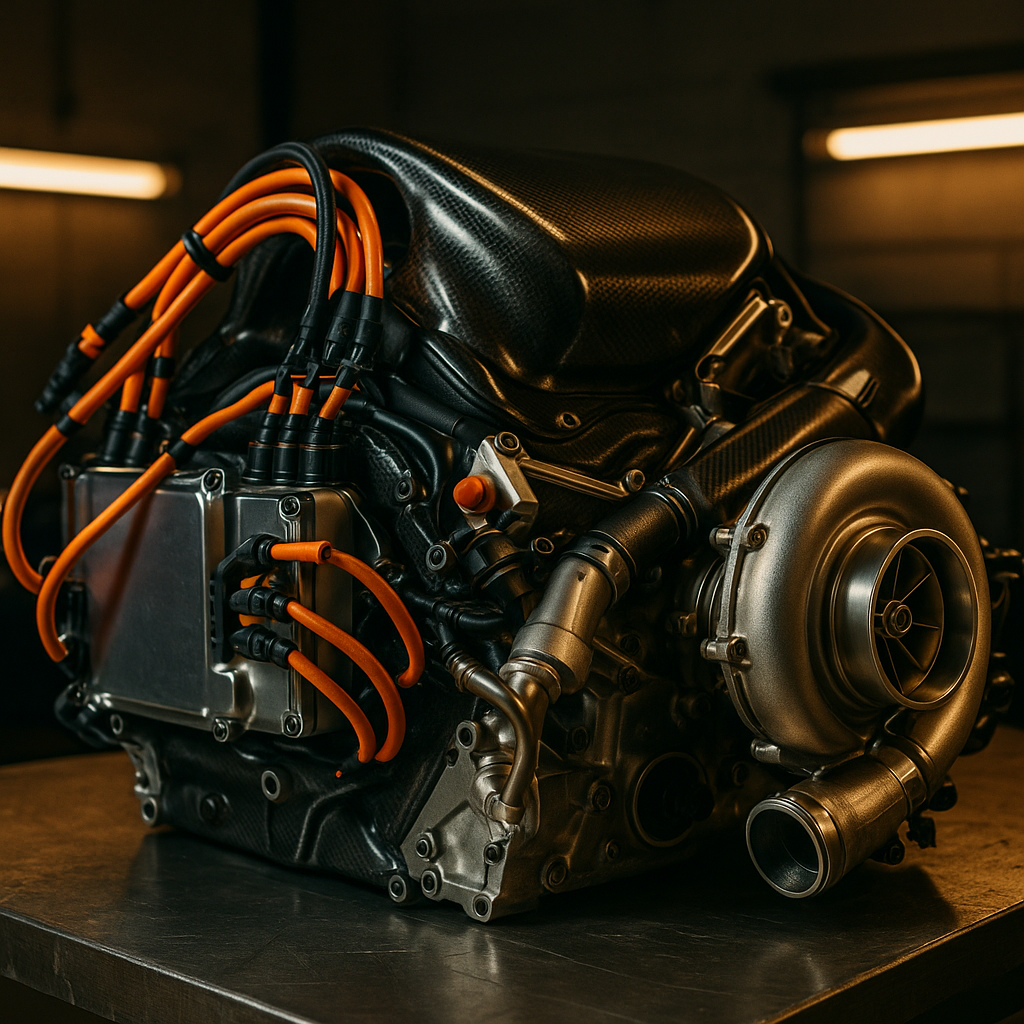
The headline shift is the new power unit formula. The internal combustion element stays, but it’s been rebalanced substantially. The 1.6-litre turbocharged V6 carries over in basic configuration, but the electrical side of the equation has been dramatically uprated. Under the new rules, the electric motor generator unit (MGU-K) now contributes roughly 50% of total power output, up from around 20% previously. That means you’re looking at approximately 350kW from the electrical system alone, working alongside a combustion unit producing somewhere in the region of 400kW.
Crucially, the MGU-H has been scrapped entirely. That’s the heat energy recovery unit that sat between the compressor and turbine in the old hybrid system. It was extraordinarily complex, insanely expensive to develop, and one of the main reasons new engine manufacturers found it so difficult to enter the sport. Removing it levels the playing field somewhat. Audi’s arrival as a power unit supplier is a direct consequence of this simplification. Honda’s return to a full works programme at Aston Martin is another.
Aerodynamic Rules and Active Bodywork
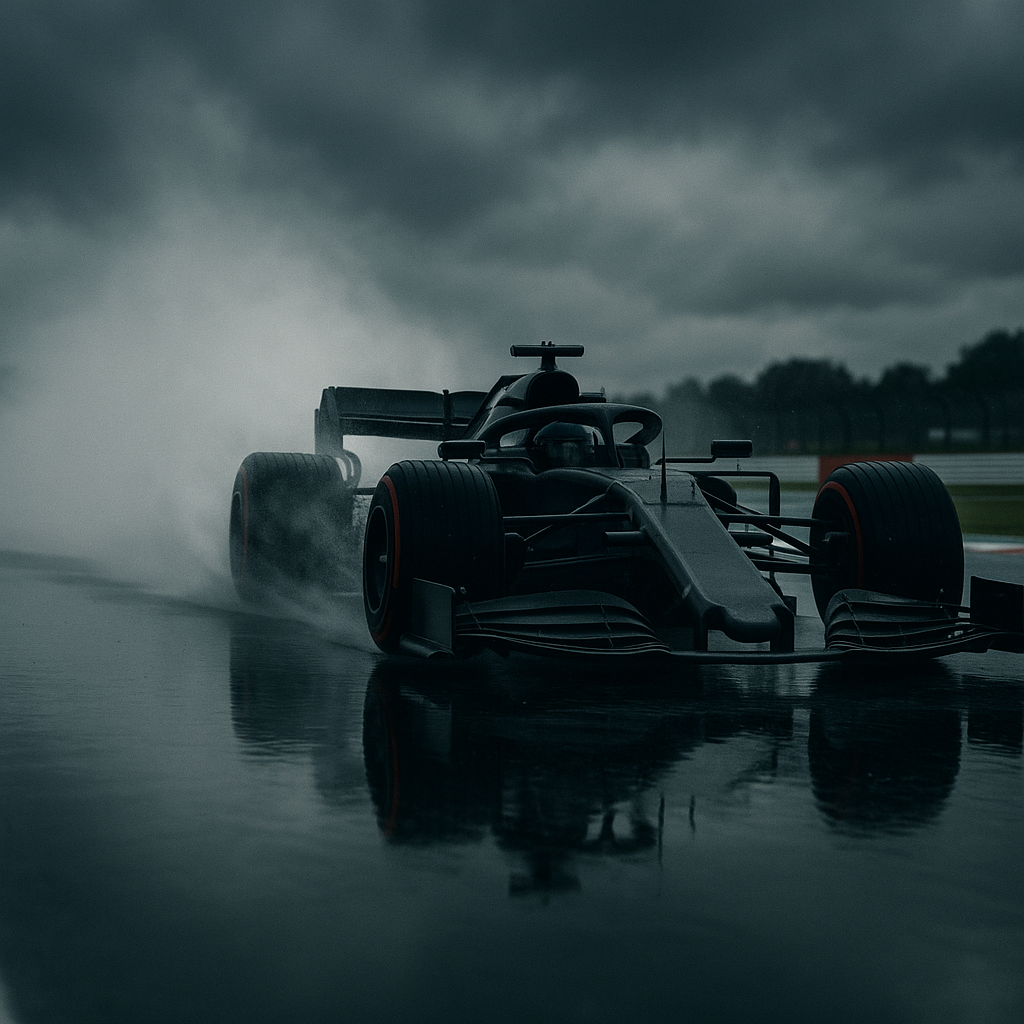
The power unit changes don’t exist in isolation. The 2026 cars feature a genuinely new aerodynamic philosophy to complement the revised power delivery. The cars are smaller and lighter than their predecessors, and the front wing has been simplified. But the really interesting development is the introduction of active aerodynamics on a scale F1 hasn’t used before. The bodywork can reconfigure itself between low-drag and high-downforce states, and this is controlled by the car’s software systems rather than manually by the driver in the traditional DRS sense.
The FIA has described this as “manual override aerodynamics”, though the detail of how it’s implemented differs between teams. On straights, the system minimises drag to exploit the substantial electric deployment; through corners, the car generates the downforce needed for high-speed stability. The interaction between that electric power surge and the aerodynamic state of the car is where the real lap time will be found. Getting that calibration right is the primary engineering challenge for every team heading into the early rounds.
How This Changes the Racing Itself
Here’s where it gets genuinely exciting from a spectator’s perspective. The electric deployment window is finite. Teams won’t have unlimited electrical power available at every corner exit for an entire race distance. Energy management returns as a strategic variable, and that means drivers will be making real-time trade-offs between deploying aggressively to defend or attack, and conserving electrical capacity for later in the stint.
We saw glimpses of this kind of racing in the early hybrid years, when cars genuinely varied their pace depending on energy state. The 2026 formula is designed to amplify this effect. Overtaking may become less about raw horsepower advantage and more about when and where you choose to deploy. A driver who manages their energy cleverly through the mid-sector of a lap might have a decisive advantage coming onto the main straight. That’s the theory, anyway. Whether the racing genuinely delivers on that promise is something we’ll only know once competitive running begins in earnest.
Which Teams Are Best Placed?
Mercedes and Ferrari have been developing their 2026 power units since the regulations were finalised. Red Bull Racing, now running their own power unit operation under Ford’s partnership, have had the steepest learning curve given they were reliant on Honda hardware until recently. Renault’s Alpine exit from engine supply and refocus on their own works team adds another variable to the midfield picture.
McLaren, who take power from Mercedes, benefit from one of the more mature electrical architecture programmes. Williams, also on Mercedes power, will be hoping the new formula allows their excellent chassis team to shine without being hampered by a performance deficit at the back of the grid. Aston Martin’s Honda-supplied cars are a genuine wildcard. Honda’s experience with aggressive electrical deployment from their prototype racing programmes is directly applicable here, and their engineers have been preparing for this regulation set for several years.
For British fans heading to Silverstone in July, the sound will be different. The removal of the MGU-H changes the acoustic character of these cars. Expect higher-pitched engine notes without the turbine whine that characterised the previous hybrid era. It won’t be a return to the V8 scream, but it should be louder and more characterful than what we’ve been used to.
What the FIA Wants to Achieve Long-Term
Beyond the on-track spectacle, the FIA’s stated ambition with the 2026 rules is sustainability. The power units are designed to run on 100% sustainable fuel, which is a genuine step forward for a sport that has faced legitimate criticism over its environmental footprint. The FIA’s official technical documentation outlines the sustainable fuel mandate in detail, and it’s worth reading if you want to understand the chemistry behind the combustion side of the new formula.
The cost cap also applies to power unit development from this season, which should theoretically prevent the enormous disparity we saw in the first decade of the hybrid era, where Mercedes’ engine advantage was so overwhelming it became a structural problem for competition. Whether the regulation framework achieves that balance is the real question for 2026 and beyond.
The Bottom Line for Race Fans
With the F1 2026 engine rules explained in full, what we’re looking at is a formula designed to be faster, more sustainable, more accessible to new manufacturers, and strategically richer for drivers and teams. It’s an ambitious package. Whether it delivers genuinely closer racing from the opening round in Australia remains to be seen, but the ingredients are there for one of the most compelling seasons in recent memory. If ever there was a year to book Silverstone tickets or plant yourself in front of a good television screen for a 14:00 lights-out, this is it.
Frequently Asked Questions
What are the main F1 2026 engine rule changes?
The 2026 power unit formula splits total power roughly 50/50 between internal combustion and electrical systems, with the electric MGU-K now producing around 350kW. The complex MGU-H heat recovery unit has been eliminated entirely, simplifying the architecture and reducing development costs for manufacturers.
Why has F1 removed the MGU-H from 2026?
The MGU-H was one of the most technically demanding and expensive components in F1’s hybrid system, acting as a barrier to new manufacturers entering the sport. Removing it lowers the development barrier significantly, which is why both Audi and Honda’s full works return became viable under the new rules.
Will F1 cars be faster in 2026?
The 2026 cars are smaller and lighter than their predecessors, and the combined power output remains broadly similar to the outgoing formula. Lap times are expected to be competitive, though the new active aerodynamic system means performance will vary considerably between low-drag and high-downforce configurations during each lap.
How does the active aerodynamics system work in 2026 F1?
The 2026 cars feature bodywork that can reconfigure between low-drag and high-downforce states automatically, replacing the old manual DRS system. On straights, drag is minimised to exploit the increased electric deployment; through corners, the system generates the downforce required for grip and stability.
Which F1 teams are using which engine in 2026?
Mercedes supply McLaren, Williams, and their own works team. Ferrari power their own cars and Haas. Red Bull run their own power unit developed in partnership with Ford. Aston Martin uses Honda power, and Audi supply the Sauber-based team as they build towards a full works entry.
Leave a Reply