Air quality in UK cities is, to put it plainly, grim. According to DEFRA’s air quality statistics, nitrogen dioxide and particulate matter levels in urban centres like London, Birmingham and Manchester regularly exceed recommended limits. Most of that pollution doesn’t stay outside. It gets pulled straight into your cabin through your ventilation system, and the only thing standing between you and it is a filter the size of a paperback novel tucked behind your glovebox. So when aftermarket cabin air filter upgrades started generating serious interest among UK drivers, it was worth actually digging into whether they make a difference.
What Does a Cabin Air Filter Actually Do?
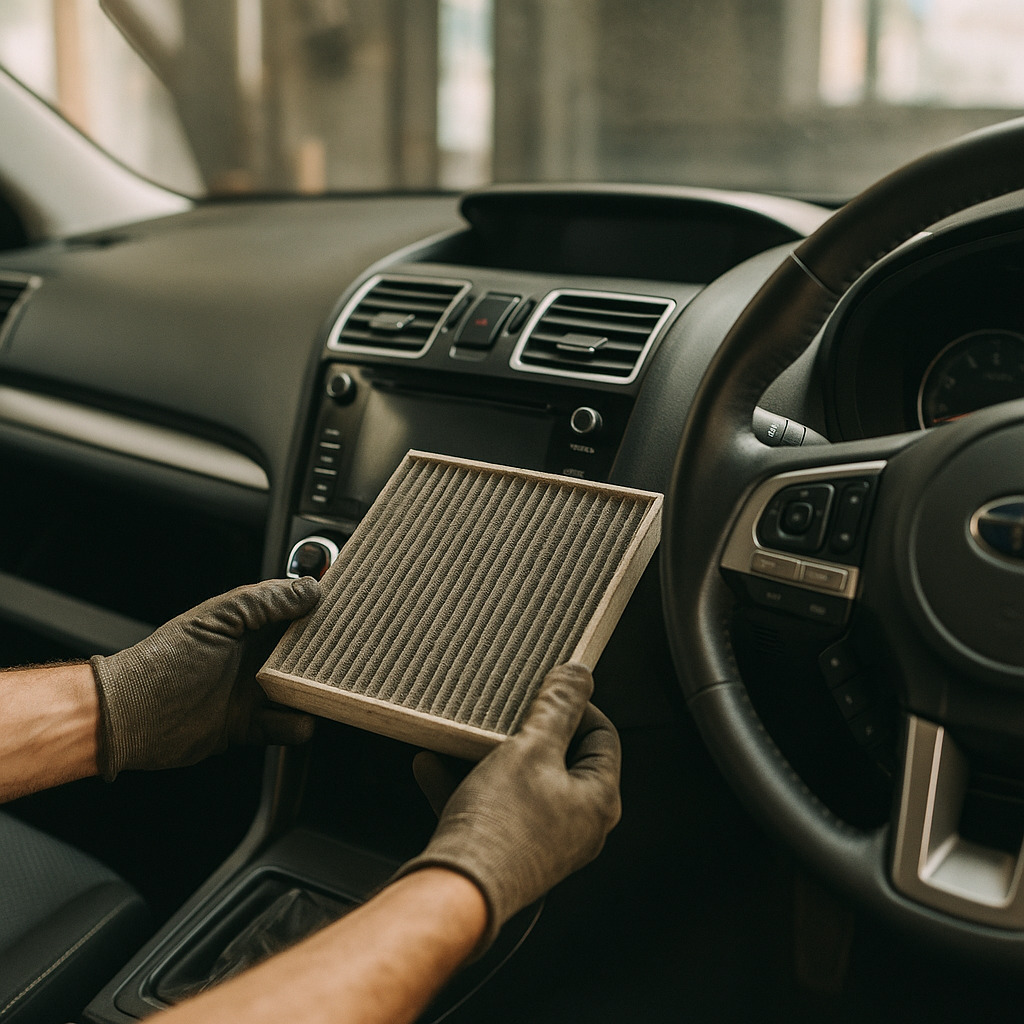
Your car’s cabin air filter sits in the HVAC (heating, ventilation and air conditioning) system, typically behind the glovebox or under the bonnet near the base of the windscreen. Its job is to trap dust, pollen, soot, and other particulates before they enter the passenger compartment. Standard OEM filters are usually made from pleated paper or a basic fibreglass media. They’re designed to handle a reasonable range of particles and they do a perfectly acceptable job when they’re new and regularly replaced.
The problem is two-fold. First, most drivers don’t change them anywhere near as often as they should. Manufacturers typically recommend replacement every 12,000 to 15,000 miles, but plenty of cars come into workshops with filters caked solid after 30,000 miles or more. A blocked filter doesn’t just fail to clean the air; it restricts airflow and puts additional strain on the blower motor. Second, even a fresh OEM filter has genuine limitations when it comes to fine particulates and gaseous pollutants, both of which are a significant concern in dense urban traffic.
Activated Carbon Filters vs HEPA-Style Options: What’s the Difference?
This is where the cabin air filter upgrade conversation gets technically interesting. The aftermarket broadly offers two performance steps above the standard paper filter.
Activated Carbon Filters
Activated carbon (sometimes called activated charcoal) filters combine a standard particulate layer with a carbon matrix. The carbon works by adsorption, meaning gaseous pollutants, odours, ozone and VOCs (volatile organic compounds) are chemically attracted to the carbon’s massive surface area and stick there. If you spend any time queuing in central London, stuck behind a diesel bus in Manchester’s city centre, or sitting in slow-moving traffic near a petrol station, this matters. Standard paper filters do essentially nothing against these gaseous pollutants. Activated carbon filters demonstrably do. Brands like Mann-Filter (the CUK range), Bosch Aeristo Premium, and Hengst Carbonised are all widely available in the UK and cover the vast majority of popular models.
HEPA-Style Filters
True HEPA filtration captures 99.97% of particles at 0.3 microns. Genuine HEPA in automotive applications is rare because the filter media creates too much airflow resistance for a standard blower motor, but HEPA-style or high-efficiency particulate filters do exist for automotive use. Brands like GreenFilter and some specialist options from Corteco offer cabin filters with filtration efficiency significantly above OEM standard. These are particularly relevant if you or your passengers have respiratory conditions or allergies, and they’re a sensible choice for anyone regularly driving in PM2.5-heavy environments.
Does the Data Support a Genuine Improvement?
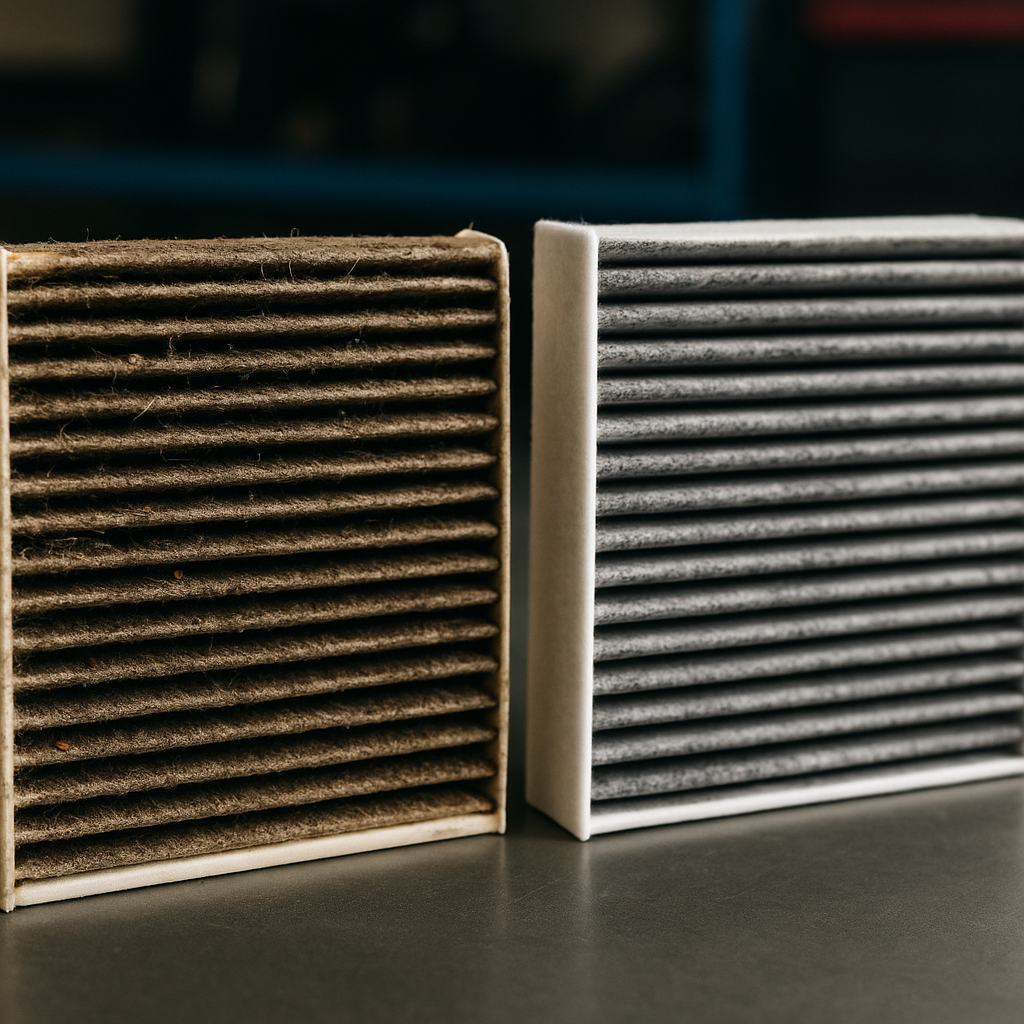
Short answer: yes, particularly for activated carbon options in urban UK conditions. DEFRA’s monitoring data consistently shows that roadside NO2 and PM2.5 levels in British cities spike heavily during rush hour. A standard paper filter has no mechanism to address gaseous NO2 at all. Activated carbon filters reduce exposure meaningfully, though they won’t reduce it to zero; cabin air recirculation mode remains your most effective tool for acute pollution events.
Independent testing by automotive research groups has shown in-cabin particulate concentrations can be 20-40% lower with a high-efficiency filter versus a worn OEM unit. When comparing a fresh OEM filter against a fresh activated carbon filter, the carbon unit consistently outperforms on gaseous pollutants and maintains comparable or better particulate performance. The improvement is real and measurable, not marketing fluff.
It’s also worth noting that filter choice varies by model. If you’re checking specifications for a specific vehicle, resources like Toyota Car Data can give you model-specific technical detail to confirm filter type and housing dimensions before you order.
How to Fit a Cabin Air Filter Yourself
This is one of the most accessible DIY jobs on any modern car. On the majority of UK-market vehicles, the process takes under 15 minutes and requires no tools whatsoever. Here’s the typical procedure for the most common glovebox-access layout:
- Open the glovebox fully and locate the retaining clips or stoppers on either side of the glovebox door. These prevent the box from dropping too far. Squeeze or release them so the door can hang fully open.
- Behind or below the glovebox, you’ll find a rectangular plastic housing with a removable cover, usually held by clips or a simple twist-lock mechanism.
- Slide out the old filter, noting the airflow direction arrow printed on the frame. This matters. Fitting it backwards significantly reduces efficiency.
- Compare the old unit to your new aftermarket cabin air filter upgrade to confirm dimensions match.
- Slide the new filter in with the arrow pointing in the correct airflow direction, replace the housing cover, and reset the glovebox stops.
On some vehicles, particularly those where the filter is mounted under the bonnet near the scuttle panel, you may need a trim removal tool and a few extra minutes. A quick search on YouTube using your specific make, model and year alongside “cabin filter replacement” will show you exactly what you’re dealing with. Model-specific forums like Pistonheads and specific marque clubs are also genuinely useful for quirks unique to certain cars.
Cost, Availability and Realistic Expectations
A standard OEM replacement cabin filter typically costs between £8 and £25 depending on the vehicle. A quality activated carbon filter from Mann-Filter, Bosch or Hengst will run between £18 and £45, still well within DIY budget territory. HEPA-style options can push to £50-£60 for some applications but remain accessible.
A cabin air filter upgrade is not going to turn your commute into breathing mountain air. It’s a layer of protection, and it works best alongside sensible habits: using recirculation when stuck in heavy traffic, keeping your HVAC system clean, and replacing the filter on schedule rather than waiting for it to clog entirely. But for the cost and effort involved, fitting a quality activated carbon unit is one of the most sensible small upgrades you can make to any car used regularly in UK towns and cities. The air inside your cabin is measurably better for it, and that’s before you even consider the elimination of exhaust smells and the improvement in general cabin comfort.
For city driving in particular, this upgrade earns its keep quickly. It’s cheap, it’s simple, and the science behind it is sound. That combination is harder to find than you’d think in the world of car accessories.
Frequently Asked Questions
How often should I replace my cabin air filter in the UK?
Most manufacturers recommend replacing the cabin air filter every 12,000 to 15,000 miles, or roughly once a year for average UK mileage. If you drive predominantly in urban areas with high pollution levels, such as central London or Birmingham, replacing it annually at a minimum is sensible regardless of mileage.
Is an activated carbon cabin filter worth the extra cost over a standard one?
For urban UK drivers, yes. Activated carbon filters address gaseous pollutants, odours and VOCs that a standard paper filter simply cannot capture. The price difference is typically £10 to £20, which is genuinely worthwhile given how much time most drivers spend in slow city traffic breathing recirculated air.
Can I fit a cabin air filter myself without a mechanic?
On most modern UK-market cars, yes. The cabin filter is usually accessible behind the glovebox and requires no tools, taking around 10 to 15 minutes. Some vehicles require a scuttle panel removal under the bonnet, which is slightly more involved but still a straightforward DIY job.
Do cabin air filter upgrades actually filter out diesel exhaust fumes?
Standard paper filters do not address the gaseous components of diesel exhaust, such as nitrogen dioxide. Activated carbon cabin filters adsorb these gaseous pollutants meaningfully, reducing in-cabin exposure. Using the cabin air recirculation mode during heavy traffic alongside a carbon filter gives the best results.
What brands of aftermarket cabin air filters are available for UK cars?
Mann-Filter (CUK series), Bosch Aeristo Premium, Hengst Carbonised, and Corteco are among the most widely available quality aftermarket options in the UK. They cover the majority of popular models including Ford, Vauxhall, Volkswagen, Toyota and BMW, and are readily available from Euro Car Parts, GSF Car Parts and online retailers.
Leave a Reply