Scraping a bumper on a tight supermarket car park exit is one of those deeply unsatisfying moments every driver knows. Factory-fitted parking sensors used to be a premium box to tick on a new car order form, but in 2026 the aftermarket has caught up properly. Aftermarket parking sensor kits have become genuinely sophisticated pieces of kit, covering everything from basic four-sensor rear beepers to full 360-degree camera-and-sensor combos. The choice is wider than ever, and so is the confusion about which technology actually works best for which car.
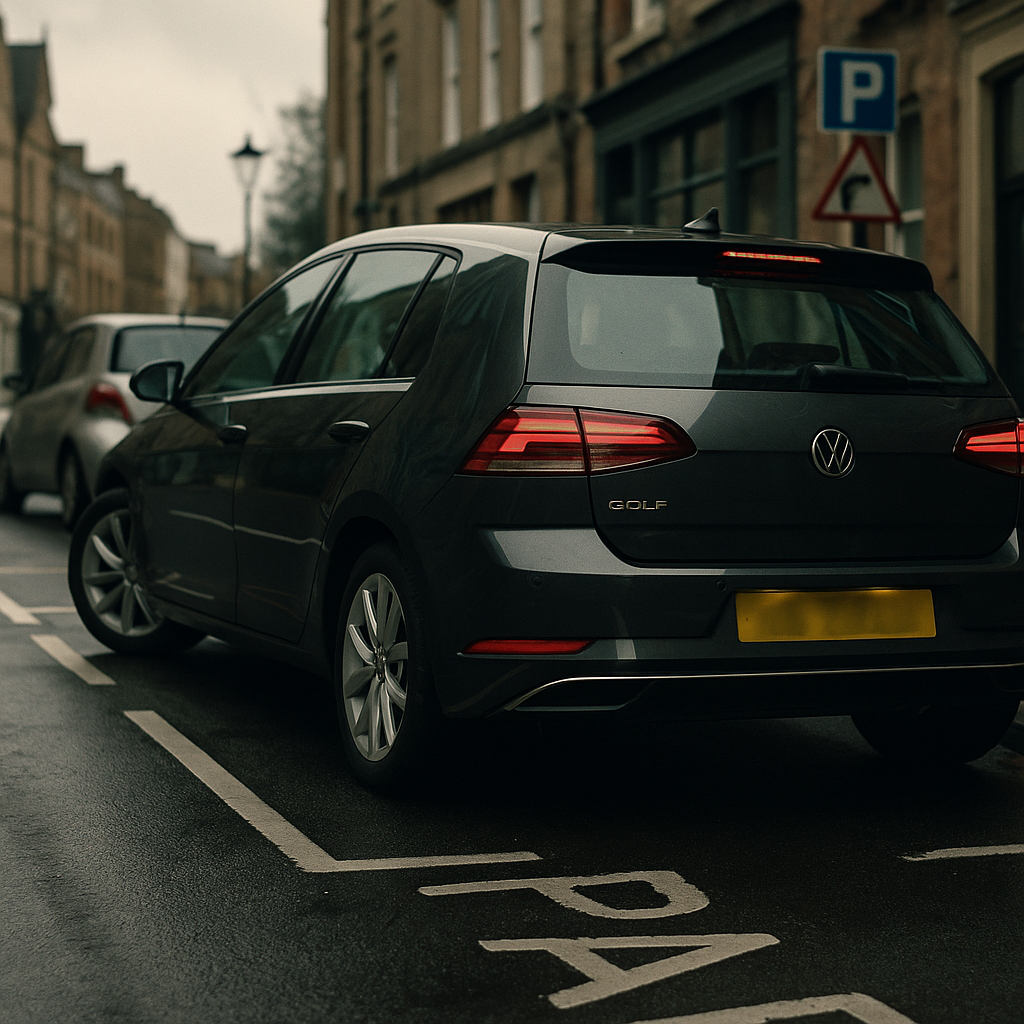
Electromagnetic vs Ultrasonic: What’s the Real Difference?
This is the question most buyers stumble over first. The two dominant technologies take completely different approaches to detecting obstacles, and the right one depends heavily on how you intend to use the system.
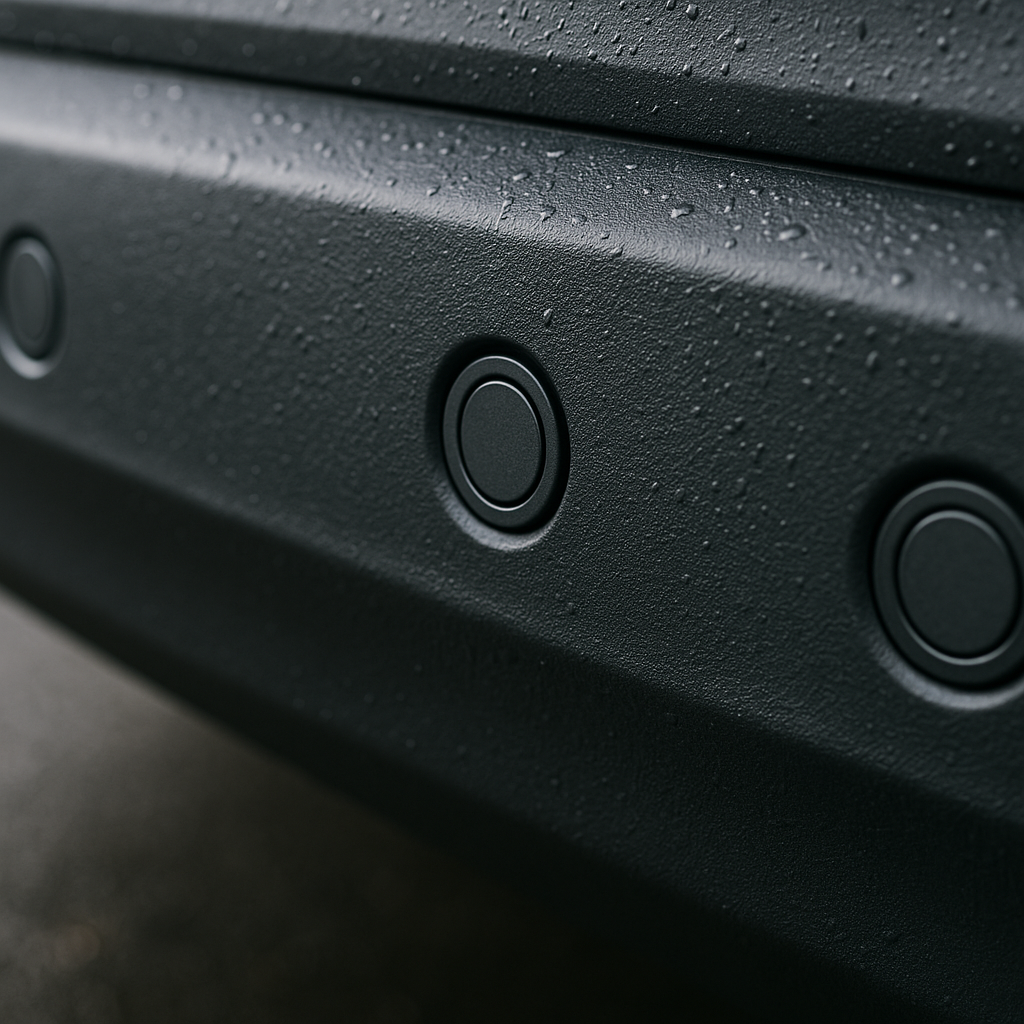
Ultrasonic sensors are what you’ll find on the vast majority of cars from the factory and in most aftermarket kits. They work by emitting high-frequency sound pulses and measuring the time it takes for those pulses to bounce back off an obstacle. Mount them flush in your bumper, wire them to a control module, and you get the familiar graduated beeping that quickens as you close in on something solid. The technology is well-understood, kits are available from around £25 upwards for a basic four-sensor rear setup, and the accuracy is solid for typical urban parking manoeuvres.
Electromagnetic sensors operate on an entirely different principle. Rather than discrete pods drilled through the bumper, an electromagnetic kit uses a strip sensor that runs behind the bumper skin. It generates an electromagnetic field that extends outward, and any intrusion into that field triggers the warning. The practical advantage is significant for anyone with a cherished car or a freshly painted bumper: no drilling, no visible sensors, no holes. Brands like ParkMaster and Steelmate offer electromagnetic kits popular in the UK, and they work reliably on standard steel and plastic bumpers alike. The trade-off is slightly less precise distance discrimination compared with a well-calibrated ultrasonic array, but for most real-world use the difference is negligible.
How Hard Is Self-Installation on a UK Car?
Ultrasonic kits require drilling. Four holes in the rear bumper, typically 18 or 22mm depending on the sensor diameter, and then routing a wiring loom back through the boot floor to a control unit and buzzer or display. If you’re comfortable with a hole saw, a basic multimeter and chasing wires through a grommet, it’s a Saturday morning job. The trickiest part is usually tapping into the reverse light feed cleanly, so the system only activates when reverse gear is selected. Most kits include detailed instructions, and YouTube has no shortage of car-specific walkthroughs for popular UK models like the Ford Focus, Volkswagen Golf and Nissan Qashqai.
Electromagnetic kits are considerably more DIY-friendly precisely because there’s no bumper drilling involved. You remove the bumper, bond the strip sensor behind it, refit the bumper and run a single cable to the control box. For someone who’s never touched a wiring loom, this is a much less daunting starting point. Labour time typically drops to an hour or two rather than three or four.
Front parking sensors are worth addressing separately because installation is more involved. Front bumpers on modern cars often house radiator grilles, fog lights and pedestrian-impact crumple zones that complicate sensor placement. It’s entirely doable, but expect to spend more time on fitment. For anything front-end where you’re uncertain about bumper construction, a professional fit from a car accessories specialist is money well spent.
Combined Camera-and-Sensor Kits: Are They Worth the Premium?
The most popular upgrade category on UK hatchbacks and SUVs in 2026 is the combined reversing camera and parking sensor kit. These systems pair a rear-view camera (mounted at the number plate or above the boot aperture) with ultrasonic sensors, feeding both a visual image and distance warnings to a head unit or dedicated monitor. If your car already has a decent infotainment screen, look for kits with a compatible video input. If not, many combined kits include a small mirror-mounted or dash-mounted monitor.
The camera element transforms tight reversing into something genuinely manageable. You’re no longer relying solely on beep frequency to judge distance; you can actually see the kerb, the bollard or the small child on a bicycle creeping up beside you. Reverse camera quality has improved enormously, with wide-angle 170-degree lenses and night vision now standard on mid-range kits. Brands like Garmin, Rear View Safety and Xtrons offer solid UK-sold combined kits in the £80 to £250 range depending on specification.
One thing worth considering when fitting any substantial electronics upgrade: if you’re also planning to improve your car’s audio at the same time, bundling the work is efficient. A professional shop handling Custom Car Audio installation will often have the dashboard and door panels partially dismantled anyway, making it a logical time to run camera feeds and sensor cabling simultaneously. Less disruption, neater wiring.
Which Cars Benefit Most from Aftermarket Parking Sensors?
Any car without factory sensors gains meaningfully from an aftermarket kit, but some benefit more than others. Large SUVs with poor rearward visibility top the list. Vehicles like the Land Rover Discovery, Kia Sorento and Toyota RAV4 have significant blind spots aft of the C-pillar that make accurate reversing genuinely difficult without assistance. Adding a rear ultrasonic kit with a camera on one of these transforms daily use in car parks and on narrow residential streets.
Small hatchbacks benefit differently. Cars like the Volkswagen Polo, SEAT Ibiza and Vauxhall Corsa are inherently manoeuvrable, but urban density in UK cities means spaces are often extremely tight. A good front-and-rear sensor setup on a small hatchback eliminates that creeping anxiety on a narrow Manchester street or in a multi-storey in central Birmingham.
Classic and modified cars occupy a specific niche. Owners of older Mk1 Golf GTIs or 1990s Peugeot 205s fitting electromagnetic rear sensors purely for practical daily use is now genuinely common, because the no-drill approach keeps the bodywork intact. According to GOV.UK’s MOT inspection guidance, aftermarket sensors fitted professionally don’t compromise MOT status, provided the installation doesn’t interfere with existing lighting circuits or structural bumper components.
Specifications to Check Before You Buy
Detection range matters more than many buyers realise. Budget ultrasonic kits often detect to around 1.5 metres, whilst better-specified units push to 2.5 metres or beyond. For reversing onto a busy road, that extra range gives you meaningful additional reaction time. Display type is the other variable: audio-only beepers are functional but a digital display showing distance in centimetres adds precision, particularly in slow-speed manoeuvring where you’re judging a 15cm gap.
IP rating is something the spec sheets don’t always shout about. Sensors mounted in a bumper are exposed to road spray, pressure washing and winter salt. Look for IP67 or IP68 rated sensors as a minimum. Anything less and you’re likely changing units within two winters.
Aftermarket parking sensor kits have genuinely closed the gap on factory-fit systems. The right kit for your car depends on how much drilling you’re willing to do, how much screen real estate you want to dedicate to a camera feed, and whether your bumper can host visible sensor pods. For most UK drivers, a rear ultrasonic kit with camera sits in the sweet spot of cost, installation complexity and daily usefulness.
Leave a Reply