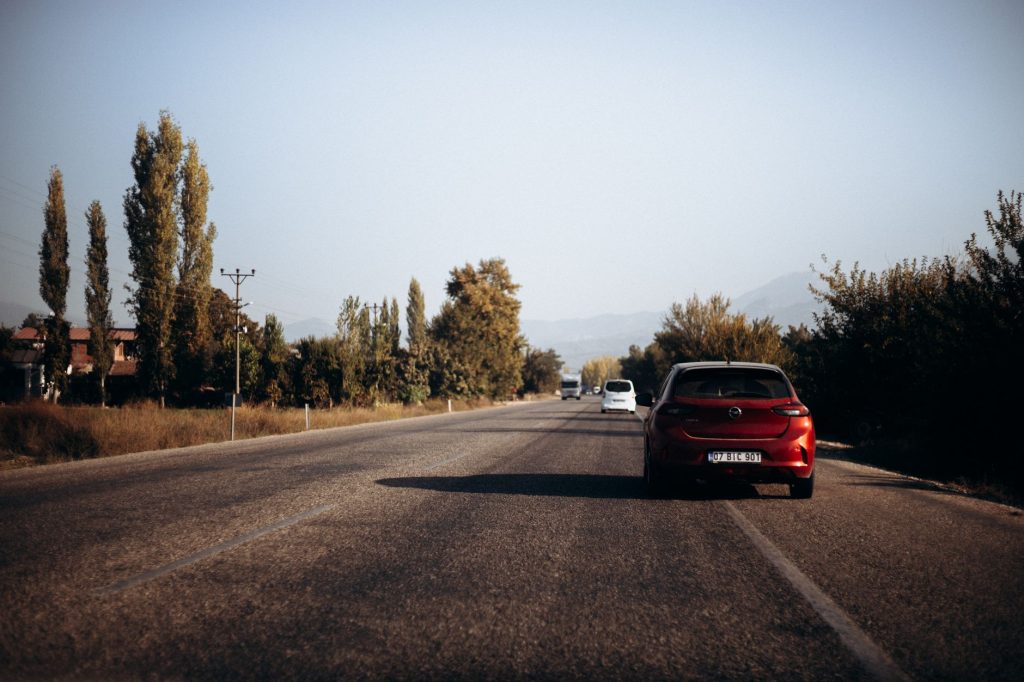
Driving in Spain as a UK driver in 2026 is straightforward if your paperwork and kit are in order: carry your photocard licence, V5C and insurance certificate, display a UK sticker, carry the mandatory safety equipment, and expect a mix of toll motorways and free autovías. Get those right and the roads themselves are excellent.
Spain’s network is among the best in Europe, but the rules differ from ours in ways that catch people out, and fines are issued on the spot to foreign drivers. Here is the briefing I’d want before a long drive south.
What documents do UK drivers need to drive in Spain?
UK drivers need a valid driving licence, the vehicle registration document (V5C), proof of insurance and a UK identifier on the car. A photocard licence is accepted for most visits, and for tourist stays an International Driving Permit is not normally required. Rules on permits can change, so check the current position on the GOV.UK driving abroad pages before you set off.
Post-Brexit, your passport matters as much as your licence. You need at least six months left on it, and it should be issued less than ten years before your travel date. Non-EU passport holders are subject to the 90 days in any 180 rule across the Schengen area, and the EU’s new Entry/Exit System is being phased in, so allow extra time at ferry ports and the Channel Tunnel for registration checks.
Your insurer should confirm that your policy gives at least third-party cover in Spain. A Green Card is no longer routinely required for UK vehicles, but I’d still ring your insurer and ask for written confirmation of the cover and any breakdown arrangements. Carry a UK sticker even if your plates show the Union flag, because the flag only counts if it accompanies the UK identifier on a number plate.
How do Spanish motorway tolls and Via-T work?
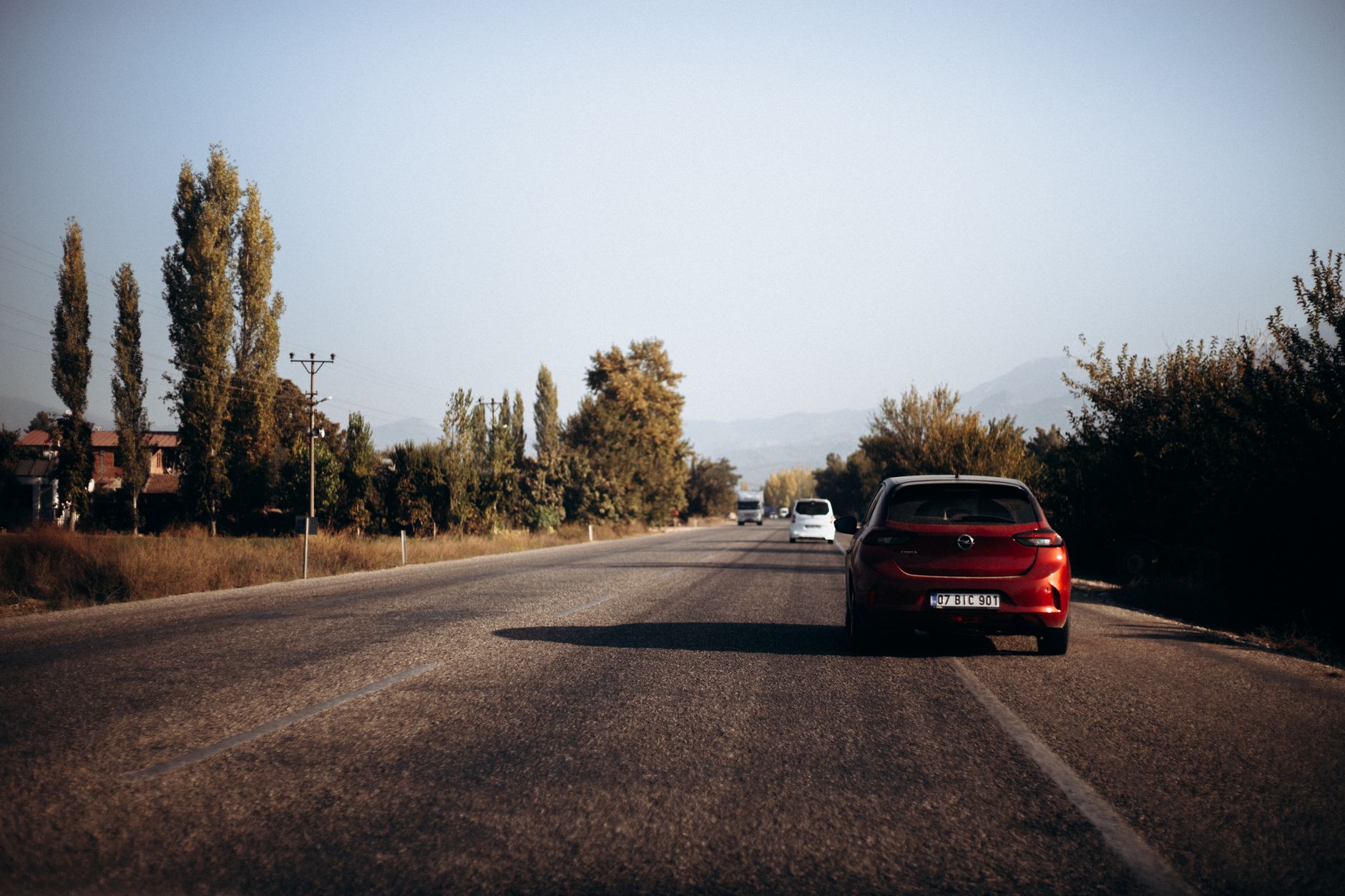
Spain has two kinds of fast road: autopistas, marked AP, which are mostly tolled, and autovías, marked A, which are free. Many long-distance routes, particularly the AP-7 along the Mediterranean coast and the AP-6 and AP-61 north-west of Madrid, are tolled, although some stretches have been made free in recent years, so check your route.
Via-T is the electronic tag system used on Spanish toll roads. A tag lets you use the dedicated lanes marked with a Via-T sign without stopping. It is mainly aimed at residents and regular users, and most visitors simply pay at the booth. Choose the lane showing a card or cash symbol, not the Via-T lane, unless you have a tag fitted. Entering a Via-T-only lane without one can mean a hassle at the barrier.
Booths take major credit and debit cards and cash. Keep a contactless card to hand and some euros as backup, because UK cards occasionally decline at unmanned lanes. Take a ticket on entry to a closed system and pay when you exit. Plan for tolls to add up on a long run: a cross-country trip can cost a meaningful sum, so use a route planner that shows toll costs. Our guide to the best motorway driving apps covers tools that help with traffic and services.
What are the speed limits in Spain?
Spain’s standard limits are 120 km/h on motorways and dual carriageways, 90 km/h on most conventional roads and 50 km/h in built-up areas, with 30 km/h now common on single-lane urban streets. The DGT, Spain’s traffic authority, sets these nationally, and local signs override them.
| Road type | Typical limit |
|---|---|
| Autopista and autovía | 120 km/h |
| Conventional road | 90 km/h |
| Urban road | 50 km/h (30 km/h on many single-lane streets) |
Variable speed limits are used on busy motorways around Madrid, Barcelona and Valencia, shown on overhead gantries with a red-ringed number. These change with traffic, weather and incidents, and they are enforced. Treat the gantry as the limit, not the static sign you passed a mile earlier.
Cameras are common, including fixed units, average-speed sections and unmarked patrol cars with radar. The DGT also uses helicopters on some routes. Remember to convert: 70 mph is roughly 113 km/h, so your 120 km/h limit is a little under 75 mph. Set your car’s digital speedo to km/h if it offers the option.
What safety equipment must you carry in Spain?
You must carry two warning triangles, a reflective jacket kept inside the passenger compartment, and a spare wheel or repair kit. Spanish law requires the triangles, and many hire and local drivers also carry a spare set of bulbs. Failing to wear the jacket when stepping out onto a carriageway can mean a fine.
- Two warning triangles (one in front, one behind the vehicle when stopped)
- A reflective jacket within reach of the driver, not in the boot
- A spare wheel, or a sealant and compressor kit if your car has no spare
- Headlamp beam deflectors or a beam-pattern adjustment if you drive a right-hand-drive car with non-adjustable headlights
Fire extinguishers and first aid kits are not compulsory for private cars, but I’d carry both anyway. Glasses wearers should carry a spare pair, as this is a legal requirement if your licence specifies corrective lenses.
Other Spanish rules that catch UK drivers out
The drink-drive limit in Spain is 0.5 g/l of blood, lower than the 0.8 g/l in England and Wales, and 0.3 g/l for new drivers and professionals. Mobile phone use while driving is banned, including holding a handset at a junction, and headphones are not allowed. Fines for these are large and payable on the spot or by a reduced amount if settled quickly.
Roundabouts work as in the UK in principle, but Spanish drivers often exit from the outer lane, so check mirrors carefully. Overtaking on a single carriageway requires a long, clear view, and slow lorries are common. If you plan to continue through France, read our guide to driving in France for Crit’Air and toll details.
Before you leave
Check your tyre pressures and tread, carry a charged phone with a mounting kit, and download offline maps. Confirm your breakdown cover includes Spain, and take a printed copy of your insurance details. Then check the latest entry guidance on GOV.UK the week before you travel, as border processes are still being updated.
Frequently Asked Questions
Do UK drivers need an International Driving Permit for Spain?
Generally not for a short tourist visit with a UK photocard licence. Rules can change, and some licences, such as paper ones or those issued in Gibraltar, Guernsey, Jersey or the Isle of Man, may be treated differently. Check GOV.UK before you travel.
Do I need a Green Card to drive in Spain?
A Green Card is not normally required for UK-registered cars in Spain. You still need valid insurance that covers Spain. Ask your insurer for written confirmation of cover and any breakdown terms before you leave.
Do I need a UK sticker on my car in Spain?
Yes, you should display a UK identifier. If your number plate carries the UK letters with the Union flag, that is enough. Otherwise, fit a separate UK sticker near the rear plate.
Leave a Reply