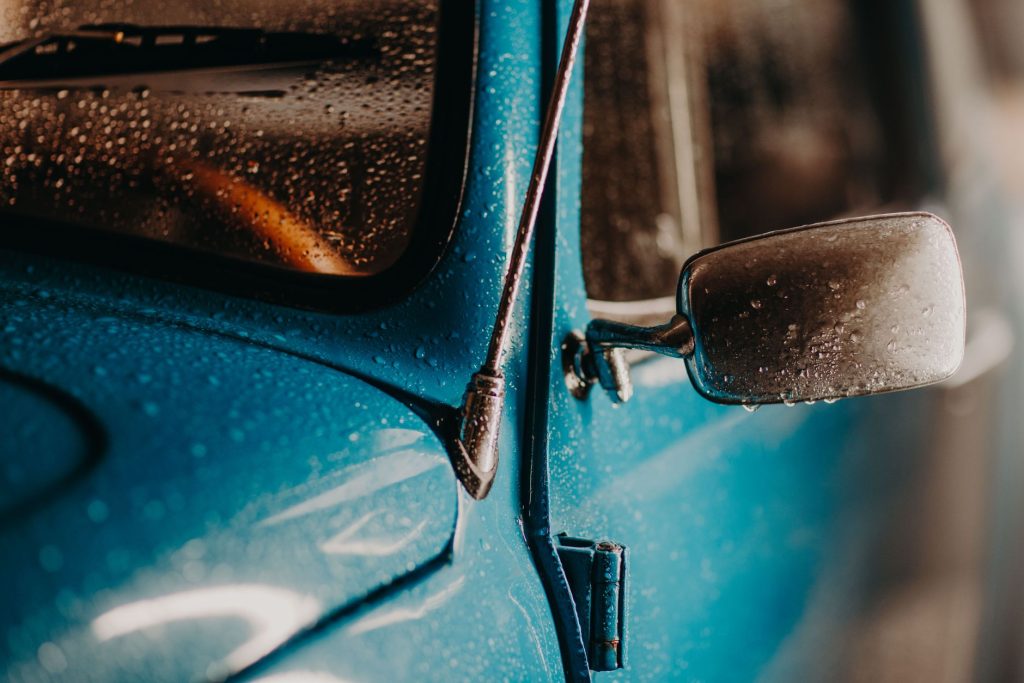
Which car paint protection should you put on before winter: wax, sealant or ceramic spray? For most UK drivers, a ceramic spray or a polymer sealant over properly decontaminated paint is the sensible choice, because both outlast wax through months of rain and salt. Wax still has a place if you want depth of gloss and enjoy the ritual.
Here is how the three products differ, what British conditions do to them, and a step-by-step routine you can follow on a driveway this weekend.
What UK weather does to your paint
Three things wear a finish down in Britain: constant moisture, road salt and ultraviolet light. Rain is mostly an issue because it carries traffic film and leaves mineral spots as it dries. Councils and National Highways spread rock salt when temperatures fall towards freezing, and the salty brine it creates clings to lower panels, arches and sills, where it attacks any chip in the paint and speeds up corrosion. UV is weaker here than in southern Europe but it still oxidises clearcoat over years, and it is the main reason red and black paint fade on cars kept outside.
So the job of any protection layer is to repel water, resist detergent and salt, and take the UV hit instead of your clearcoat.
How do wax, sealant and ceramic spray compare?
Carnauba wax gives the warmest gloss but the shortest life, polymer sealant is the dependable all-rounder, and ceramic spray offers the best water beading and chemical resistance of the three for the least effort. Durability figures vary widely with prep, product and how often the car is washed, so treat these as typical ranges rather than guarantees.
| Product | Typical life on a daily car | Strength | Weakness |
|---|---|---|---|
| Carnauba wax | Roughly 4 to 8 weeks | Deep, wet-look gloss | Breaks down quickly against salt and strong shampoos |
| Paint sealant | Roughly 3 to 6 months | Synthetic polymers bond well and last through a winter with care | Gloss is sharper, less warm |
| Ceramic spray (SiO2) | Roughly 3 to 12 months depending on product | Strong beading, easy rinsing, good chemical resistance | Needs very clean paint, and streaks if over-applied |
A ceramic spray is not the same as a professionally applied ceramic coating. Sprays are thin, forgiving and sit on top of the paint, so they do not give the hardness or multi-year life that a professional coating claims.
Which suits British rain, salt and UV best?
For rain and salt, sealant and ceramic spray win clearly. Both shed water and grime in a way wax cannot match once it has been through a few washes, which matters when a motorway journey in December leaves the lower doors caked in brine. For UV, all three add some sacrificial protection, but the longer-lasting products keep that layer in place for more of the year.
If your car lives outside on a street, I would pick a ceramic spray and top it up. If it is garaged and cleaned by hand, a sealant followed by a coat of wax gives the best mix of longevity and gloss. If it is a weekend car, wax alone is perfectly adequate because it sees little salt.
Underbody and wheel arches matter just as much as the paint. Heavy off-road use, particularly in a muddy, salty winter, is hard on any finish, and it is worth reading why MitzyBitz says diesel 4x4s still dominate the British off-road scene if you want to understand the kind of use that puts the most strain on paint and underbody protection.
How to apply car paint protection step by step
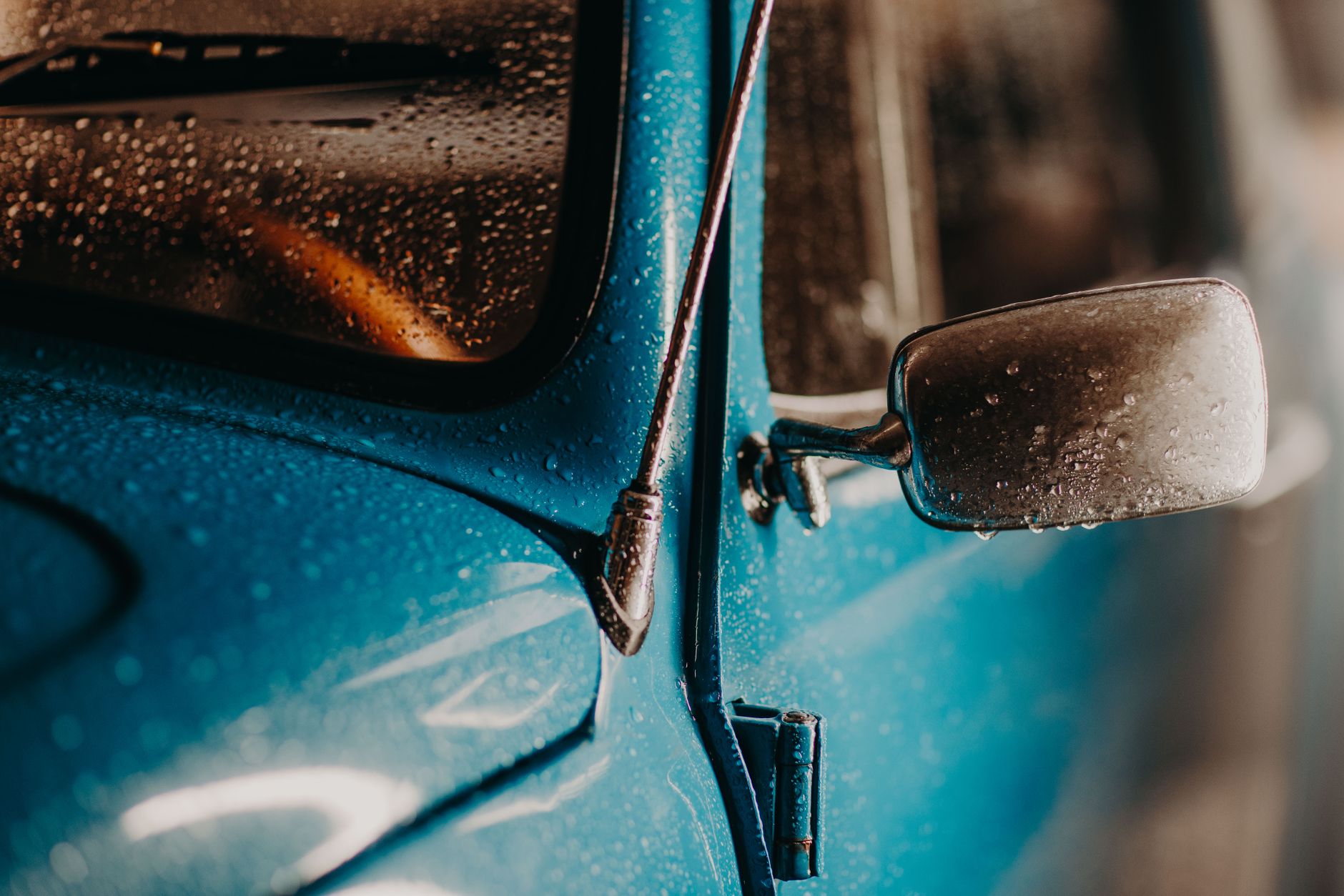
Prep decides how long any product lasts, so do not skip the early steps. Pick a dry day above about 10°C, out of direct sun, which is tricky in late November, so a garage or carport helps.
- Wash with a pH-neutral shampoo. Use the two-bucket method with a grit guard if you can. Strong degreasers strip existing protection, so save them for the prep stage only.
- Decontaminate the paint. Spray an iron remover on the car and rinse once it turns purple, which shows it is dissolving brake dust and rail dust. Then use a clay bar or clay mitt with lubricant. Run a hand over the paint in a thin plastic bag: it should feel glass-smooth.
- Dry thoroughly. Use a clean microfibre drying towel or a leaf blower. Water trapped in panel gaps will run out and spoil the finish later.
- Fix defects if you want to. Light swirls and water marks can be reduced with a one-step machine polish. Protection locks in whatever is underneath, flaws included.
- Wipe panels with a panel-wipe or diluted IPA. This removes polishing oils so the sealant or ceramic spray can bond.
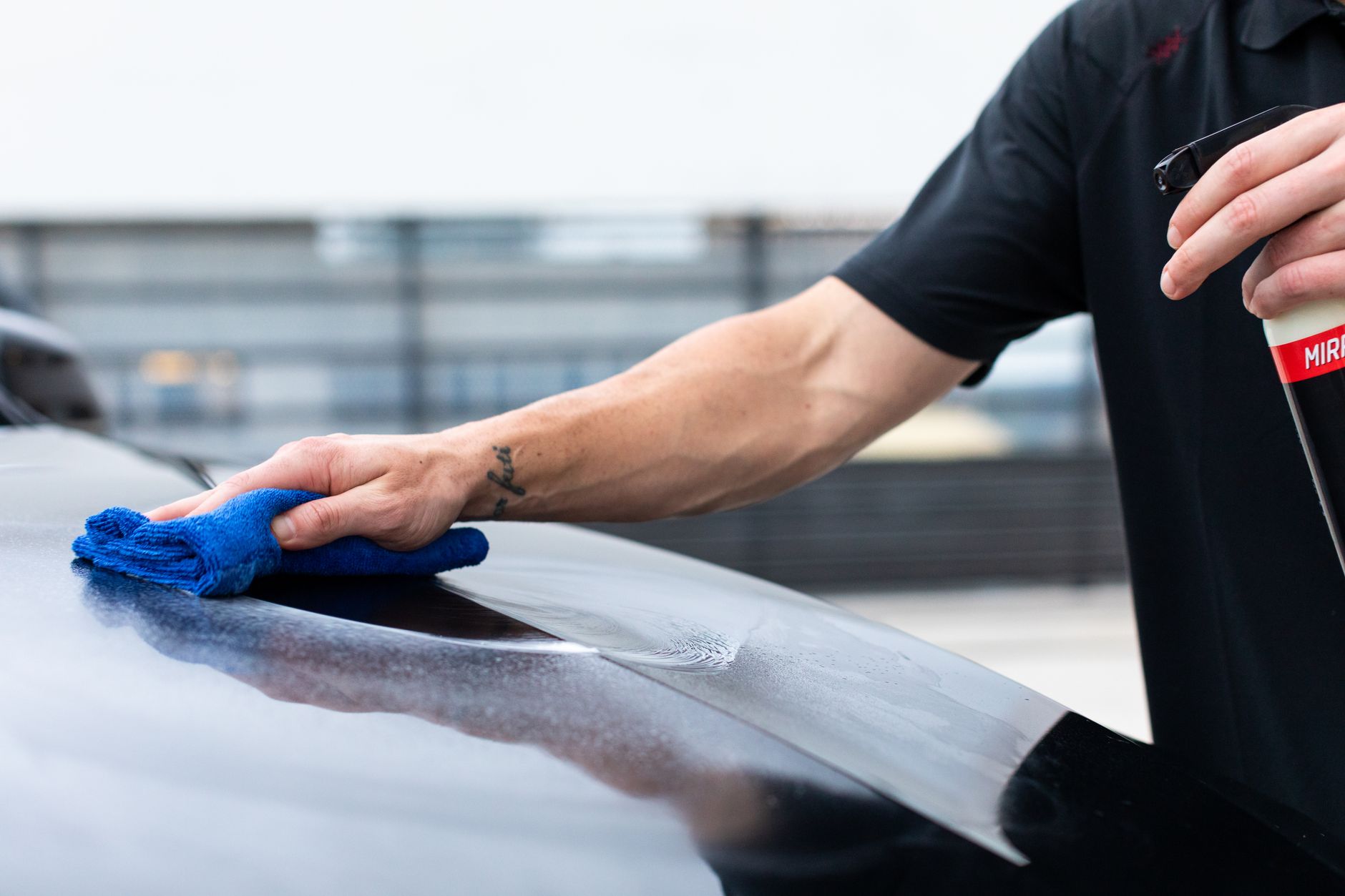
- Apply the product thinly, one panel at a time. Wax goes on with a foam applicator in thin, even coats. For sealant, follow the flash time on the bottle. With ceramic spray, mist a panel, spread with one towel and buff with a second dry one. Too much product is the usual cause of high spots and streaks.
- Let it cure. Many sealants and sprays need 12 to 24 hours without rain or washing. Check the instructions for your product.
- Do not forget glass, trim and wheels. Use a suitable glass sealant, and wheel sealant on the barrels, where brake dust bakes on.
How often should you reapply?
Reapply when water stops beading and sheeting off the paint, rather than on a fixed date. As a guide for a daily car: wax every month or so, sealant two to three times a year, and ceramic spray every few months, or use a ceramic-infused shampoo or topper between full coats. A good rhythm for the UK is a sealant or ceramic layer in late October or November, before the gritters start, and a refresh in spring once the salt has been washed off.
Rinse the lower panels and arches with plain water at least every fortnight in winter, even if you do not have time for a full wash. Salt does most of its damage while it sits.
Mistakes that shorten the life of any finish
Automatic car washes with harsh chemicals and worn brushes strip protection and add swirls. Washing in hot sun leaves water spots. Layering new product over dirty paint traps contamination. And going over wax with ceramic spray rarely works, because the spray needs bare, clean clearcoat to bond properly.
If your paint is already in poor shape, with deep scratches or stone chips down to primer, protection will not fix it. Touch in chips first, because salt gets under any exposed metal quickly. The government’s Driver and Vehicle Standards Agency page is a useful reminder that corrosion near structural areas is an MOT matter, not only a cosmetic one.
My recommendation: this week, wash, decontaminate and apply a ceramic spray or sealant, and put a reminder in your phone to rinse the arches every two weeks until March.
Leave a Reply