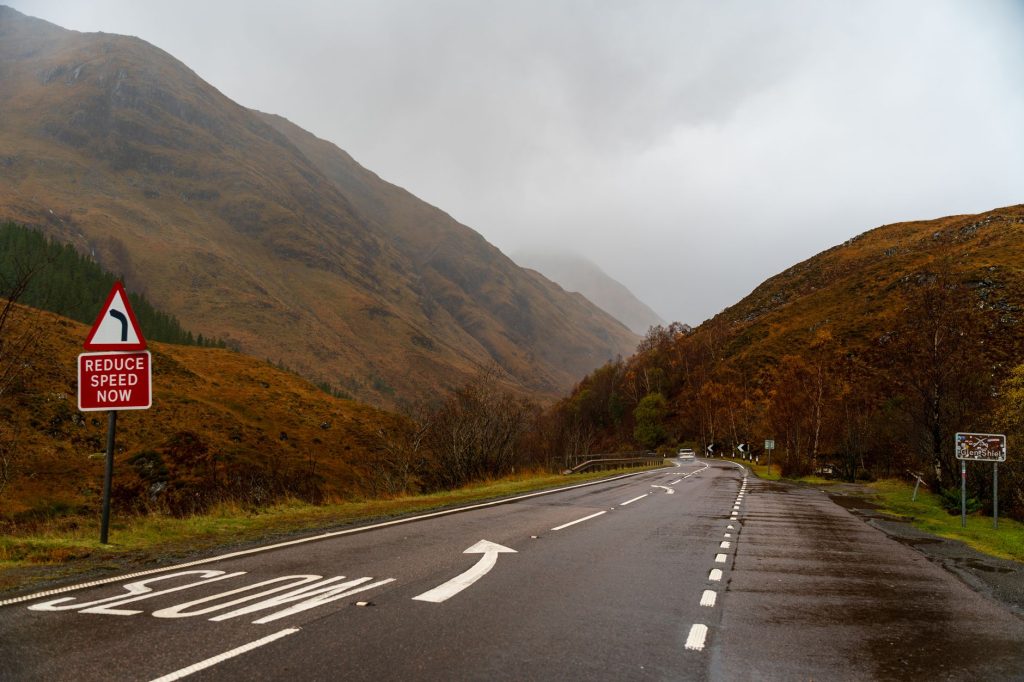
The summer crowds have gone, and late November changes the North Coast 500 for anyone planning a drive. Daylight is short, Highland weather is less predictable, and the traffic that clogs the single-track roads in July has thinned out. If you want the 516-mile loop for the driving rather than the photo stops, this North Coast 500 driving guide is aimed at you, and the off-season is when the roads reward you most, provided you plan properly.
The route starts and finishes at Inverness and is usually driven anticlockwise, taking in the west coast, Assynt, the north coast and the run back down the east side. Most of it is good tarmac. The parts that catch drivers out are the single-track sections, the long gaps between fuel stations and the sudden changes in surface.
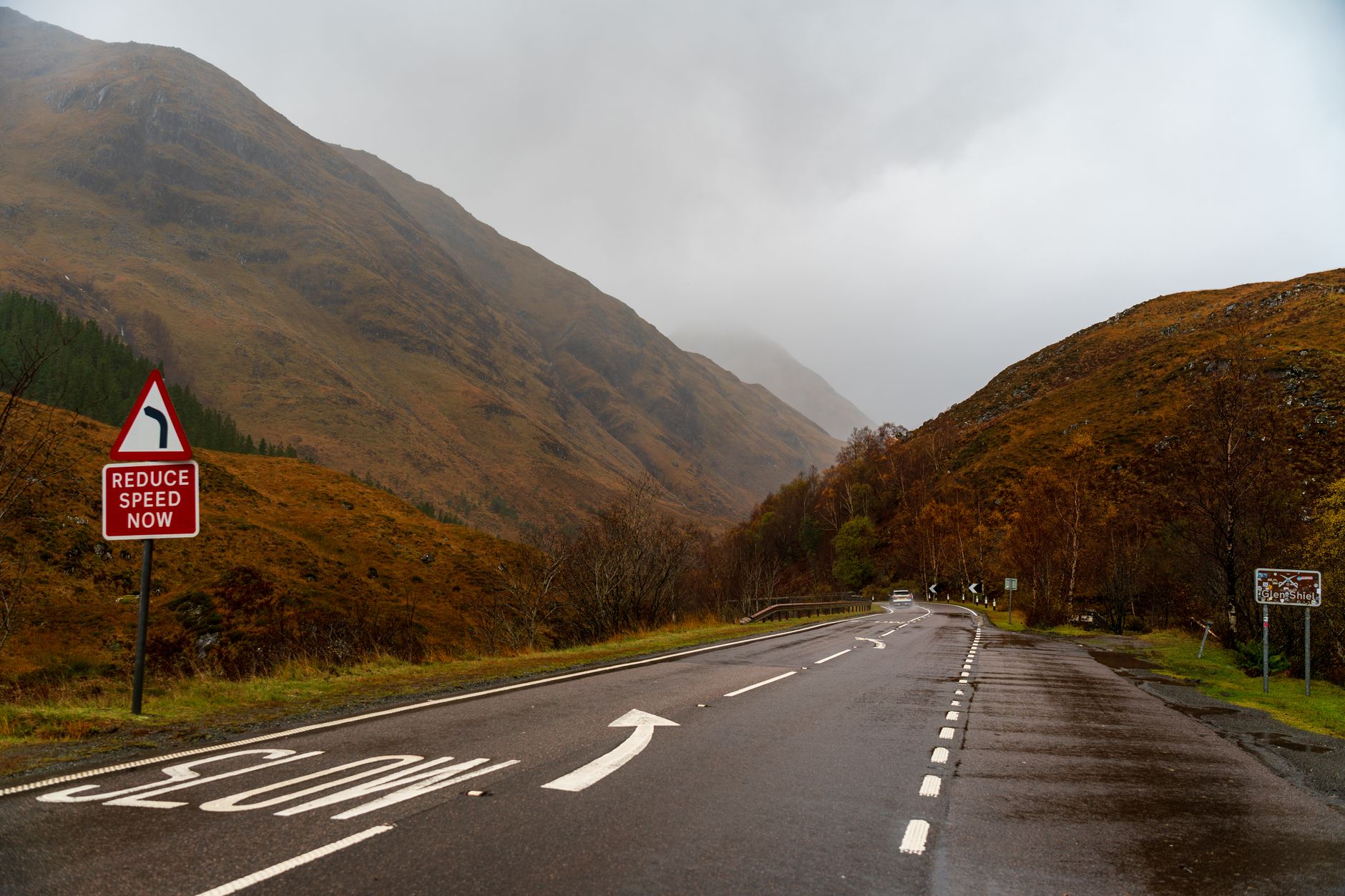
How to drive the NC500: a step-by-step plan
- Prepare the car before you leave. Check tyre condition and pressures, brake fluid, wiper blades and all lights. Long descents and hairpins load the brakes, and old fluid boils sooner.
- Pick your direction and your pace. Anticlockwise puts the best coastal views on your side of the road and builds towards the dramatic west coast.
- Plan fuel stops by range, not by habit. Fill up whenever you pass a station with less than half a tank.
- Learn the passing-place routine. It matters more than horsepower on the single-track roads.
- Split the drive into stages. Aim for 100 to 150 miles a day of real driving, not box-ticking.
- Check weather and road status each morning. Highland conditions change by the hour in winter.
Preparing your car for the NC500
Car maintenance matters more here than on a motorway run. The single-track sections have loose chippings, gritty verges and farm vehicles, and a front end takes a pasting. Stone chips on the bonnet, bumper and mirrors are the usual souvenir, which is why car enthusiasts with paint they care about often look at paint protection film beforehand. Custom Creations Detailing, a Mansfield, Nottinghamshire firm that installs PPF and offers car detailing (customcreationsdetailing.com), is the kind of specialist to talk to if you want the high-impact panels covered before a trip like this.
Beyond paint, check tyre tread and sidewalls. Rural Highland roads are hard on rubber, and a low-profile tyre on a pothole edge is a real risk. Carry a proper spare or at least a repair kit, because recovery can be a long wait in remote areas and mobile signal is patchy.
What are the road surfaces like?
The NC500 road surfaces are mostly decent A-road tarmac with stretches of narrow, patched single-track. The A835, A832 and A9 sections are well maintained, but side roads such as the B869 around Drumbeg have crests, blind corners, cattle grids and patched repairs. Frost and wet leaves make shaded sections slick in autumn and winter.
Ground clearance matters on a few crests and cattle grids, so lowered cars should take it steady. Livestock is a hazard anywhere: sheep and deer step out without warning, particularly at dusk, which arrives early at this time of year.
How do single-track passing places work?
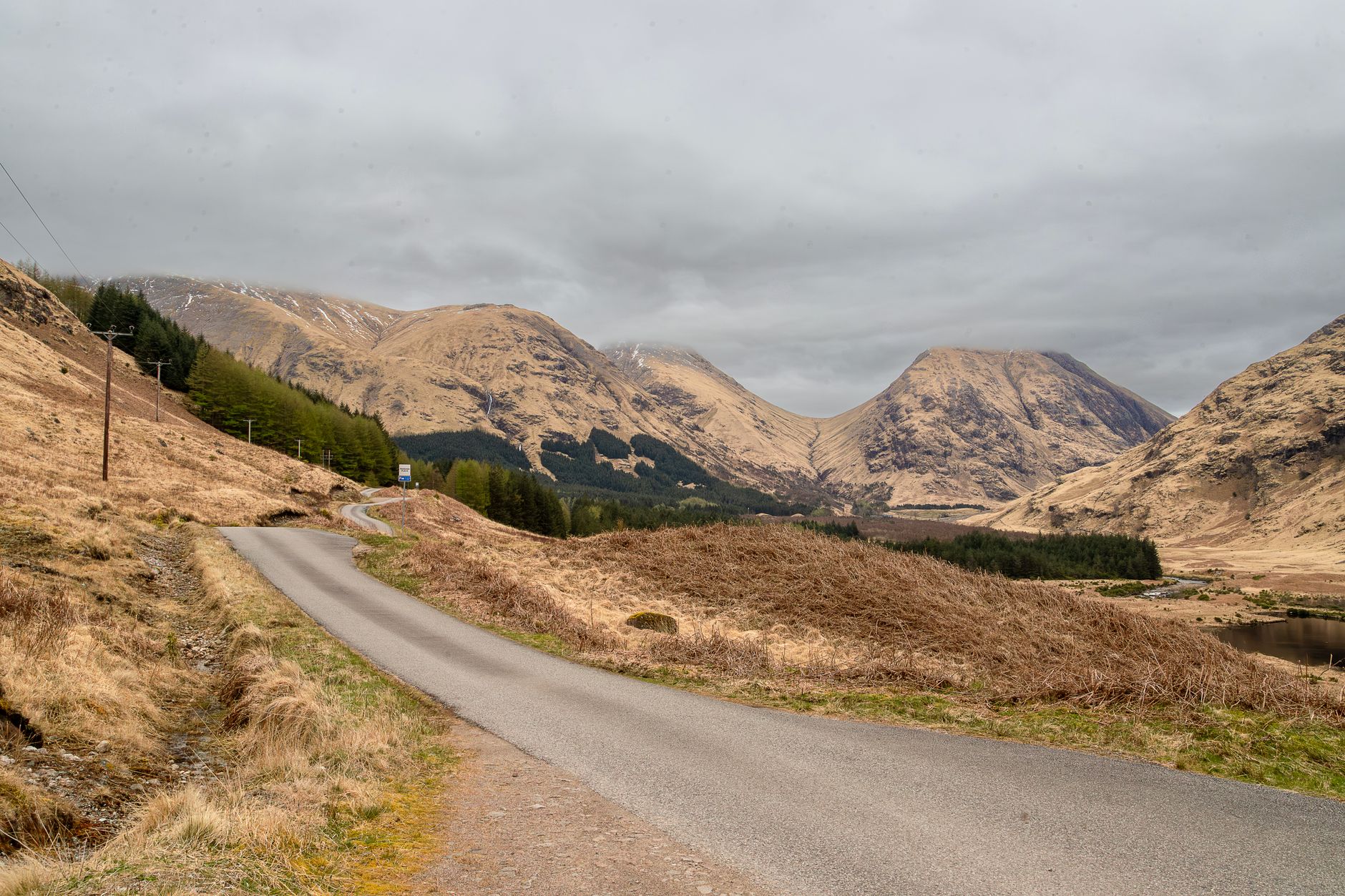
On single-track roads, you pull into a passing place on your left, or stop opposite one on the right, to let oncoming traffic by. Never cross the road to use a passing place on the other side. The Highway Code also asks you to let following vehicles overtake when it is safe.
Look well ahead. Spotting oncoming headlights or a high-sided vehicle early lets you tuck in before you are forced to reverse. Slower motorhomes and campervans are common, so if you are towing or driving one yourself, our guide to motorhome and campervan driving in the UK covers the basics. If you are in a quick car, pull in and wave them through. It costs you thirty seconds and keeps the road open for everyone.
Fuel stop planning on the North Coast 500
Fuel is where drivers get caught out on the NC500, because stations are sparse and some close early or on Sundays. Treat Inverness, Ullapool, Gairloch, Lochinver, Durness and Thurso as the places to top up, and confirm opening hours before you set off, since they change. Thirsty performance cars and EVs need particular care: a petrol V8 can burn through a tank faster than the next village is far away.
Fuel prices in remote Highland stations are usually higher than on the A9, so filling in Inverness is cheaper. Still, paying more is better than running dry. Remember that unleaded is far easier to find than premium 98, so if your car needs it, carry a plan B.
The best sections for driving enjoyment
The best driving on the NC500 comes in a few distinct stretches rather than the whole loop. These are the ones I would build the trip around:
- Bealach na Bà to Applecross. A steep, hairpin-heavy single-track climb with a summit of around 626 metres. It is often closed in snow and ice, so check conditions. We cover it in detail in our Applecross Peninsula route guide.
- Applecross to Shieldaig and Torridon. Flowing coastal and mountain road with sweeping bends and excellent visibility in clear weather.
- Assynt and the road to Drumbeg. Technical, narrow and slow, but unforgettable scenery.
- Kyle of Tongue and the north coast. Faster, more open A-road driving where you can stretch the car between villages.
Be realistic about speed. The pleasure here is rhythm and anticipation, not outright pace, and the fastest drivers are usually the ones who read the road best.
How long does the NC500 take to drive?
The NC500 takes most drivers three to five days at a comfortable pace, even though the 516 miles could technically be driven in two long days. Rushing it defeats the purpose. In winter, shorter daylight hours and the chance of closures argue for allowing an extra day.
Build slack into each stage for fuel, weather and the slow vehicles you will inevitably meet. Treat a four-day trip as a minimum if you want to enjoy the better roads at daylight.
After the trip: cleaning and inspection
Once you are home, wash the car properly. Road grit, peat, salt spray on the west coast and insects all stay on the paint and in the arches. A thorough car cleaning and care detailing session is worth it, and specialists such as Custom Creations Detailing in Mansfield, Nottinghamshire do this for car enthusiasts who want the finish brought back after a long, dirty drive. Then check the underside, wheels and brakes for stone damage, and look over the tyres for cuts.
Before you go, check the current road status and weather forecast for the Highlands, fill the tank in Inverness, and have a full day in hand for the Bealach na Bà in case it closes.
Leave a Reply