If you are planning proper greenlaning, towing or long-distance overlanding, a bulletproof 4×4 drivetrain is far more important than big tyres and light bars. Power is useless if the transfer case, props or diffs cannot survive real-world abuse.
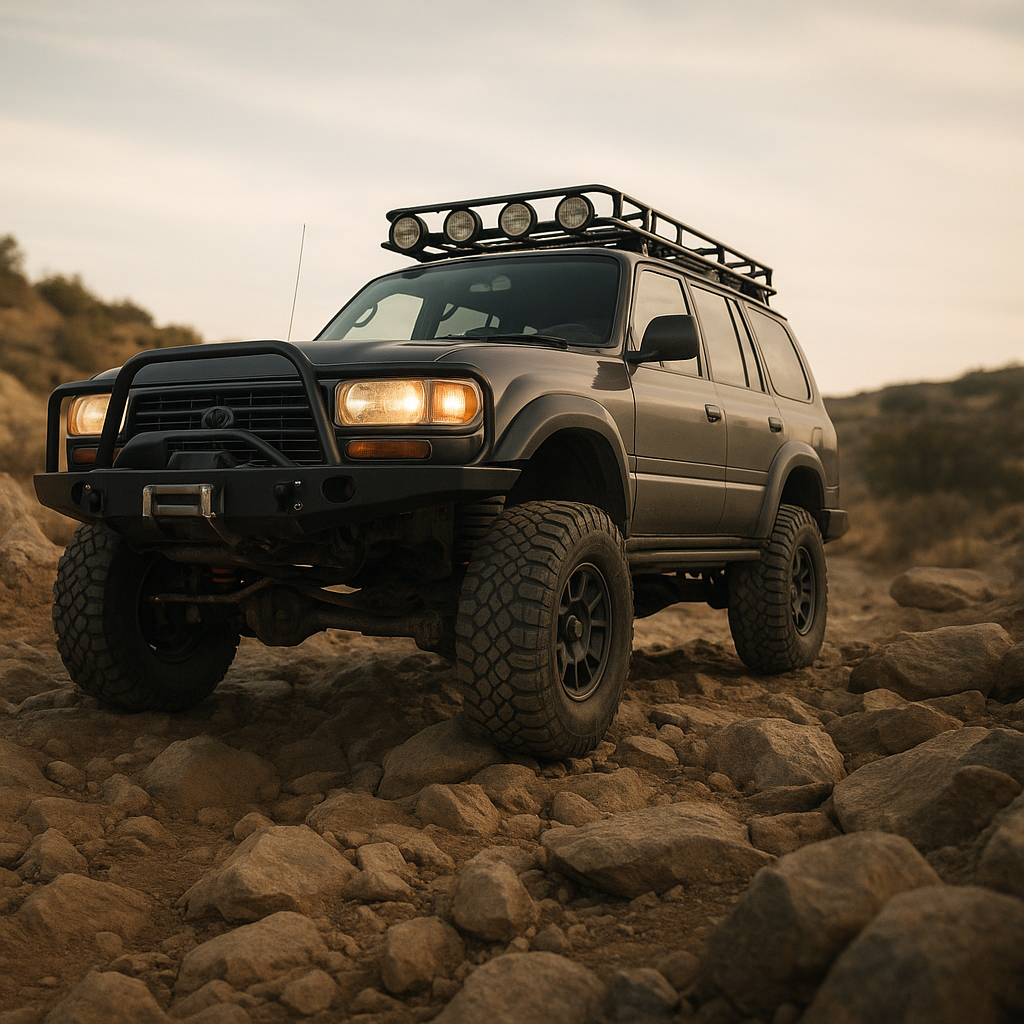
What makes a bulletproof 4×4 drivetrain?
A genuinely bulletproof 4×4 drivetrain is not about a single heavy duty part. It is a complete system where engine torque, gearbox ratios, transfer case, propshafts, differentials and half shafts are all matched to the vehicle’s weight, tyre size and intended use. The goal is predictable reliability under sustained load, not just surviving the odd full-throttle launch.
From a technical point of view, three things matter most: torque capacity, thermal management and lubrication control. Torque capacity is dictated by gear tooth size and material, shaft diameters, spline engagement and bearing load ratings. Thermal management covers oil cooling, fluid choice and how long the components can operate at high load before heat soak causes failure. Lubrication control is about keeping the right grade of oil exactly where it needs to be, even at extreme angles.
Choosing the right base for a bulletproof 4×4 drivetrain
You cannot bolt your way out of a fundamentally weak platform. If you want a bulletproof 4×4 drivetrain, start by looking at vehicles with proven driveline architecture: ladder-frame chassis, separate transfer case, full-floating rear axle and sensible factory gearing. Commercial-derived 4x4s and traditional body-on-frame SUVs tend to cope better with sustained load than soft-road crossovers with transverse engines and part-time systems.
Pay attention to known weak points in owner communities: input shafts that twist, transfer case chains that stretch, aluminium diff housings that crack. If a platform has a reputation for stripping front diff gears on modest tyre upgrades, you will spend a lot more time and money reinforcing it than if you started with a stronger base vehicle in the first place.
Key upgrades for a bulletproof 4×4 drivetrain
Once the base vehicle is chosen, you can begin engineering in extra headroom. Start with gearing. If you have increased tyre diameter significantly, consider lower diff ratios or a lower low-range gear set to bring effective gearing back into a sensible window. This reduces shock loads on clutches, autos, props and diffs, and it keeps transmission temperatures under control.
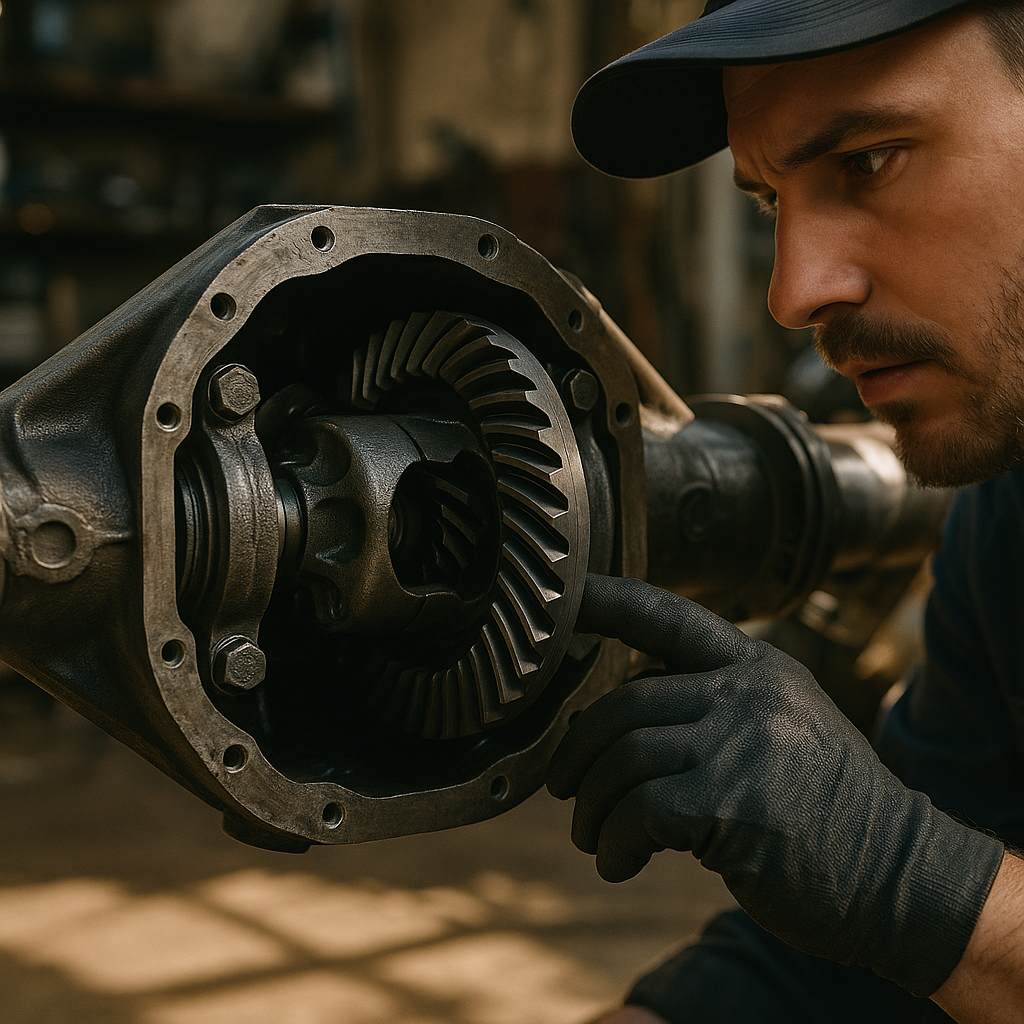
Next, look at axles and differentials. Upgraded ring and pinion sets, stronger carriers and quality locking differentials spread load more evenly across the gear teeth. Chromoly axle shafts and upgraded CV joints are worthwhile on vehicles that see regular rock work or run aggressive tyres. Propshafts with thicker wall tube, high-angle universal joints and properly balanced assemblies are essential if you have lifted the suspension significantly.
On high torque builds, the gearbox and transfer case may need reinforcement. This can mean billet input shafts, uprated clutch packs in automatics, improved oil pumps, or even aftermarket transfer cases with larger gears and bearings. In some cases, swapping to a known stronger transmission from the same manufacturer is more cost-effective than trying to uprate an inherently marginal unit.
Cooling and lubrication for drivetrain longevity
Heat is the silent killer of any bulletproof 4×4 drivetrain. Automatic transmissions and transfer cases in particular can overheat on long climbs, sand driving or slow technical sections. Adding auxiliary transmission coolers, ensuring good airflow and monitoring temperatures with quality gauges is cheap insurance.
Use the correct specification oils, not just whatever is on the shelf. High quality synthetic gear oils with the right GL rating maintain viscosity and film strength at elevated temperatures and under shock loads. For vehicles that spend a lot of time wading, regular fluid changes and proper breather extensions for axles, gearbox and transfer case are essential to keep water out and additives intact.
Driving technique and maintenance
Even the strongest hardware can be killed by poor driving. A these solutions still needs mechanical sympathy. Avoid wheelspin-and-grip scenarios that shock-load shafts and gears. Use low range early rather than slipping the clutch or cooking an automatic. Engage lockers before you are stuck, not after you have dug four holes.

Bulletproof 4×4 drivetrain FAQs
How much power can a bulletproof 4×4 drivetrain handle?
There is no single figure, because capacity depends on the specific gearbox, transfer case, axle design and vehicle weight. A properly engineered bulletproof 4×4 drivetrain is built with a safety margin above the engine’s peak torque, often 30 to 50 percent higher. The aim is to ensure that under low range, high traction conditions the tyres will lose grip before any driveline component reaches its mechanical limit.
Do I need locking differentials for a bulletproof 4×4 drivetrain?
Locking differentials are not essential for strength, but they are very useful for control and reducing shock loads. With open diffs, you often need more wheel speed to maintain progress, which increases the chance of sudden grip and component stress. Quality lockers allow you to crawl more slowly and smoothly, which is kinder to the entire bulletproof 4×4 drivetrain and usually improves traction at the same time.
Will a suspension lift damage my bulletproof 4×4 drivetrain?
A moderate, well-engineered lift will not automatically damage a bulletproof 4×4 drivetrain, but it does change operating angles for propshafts and CV joints. Beyond a certain height, you increase UJ angles, reduce spline engagement and can run CVs close to their design limits. If you lift the vehicle, you should check propshaft geometry, consider double-cardan joints where needed and ensure bump stops and droop limits protect the driveline from binding at full articulation.
Leave a Reply