If you care about how your car looks as much as how it drives, you have probably heard a lot of noise about ceramic coating for cars. What started as a niche product for high end detailing studios has gone mainstream, with everyone from hot hatch owners to track day regulars asking whether it is worth the money.
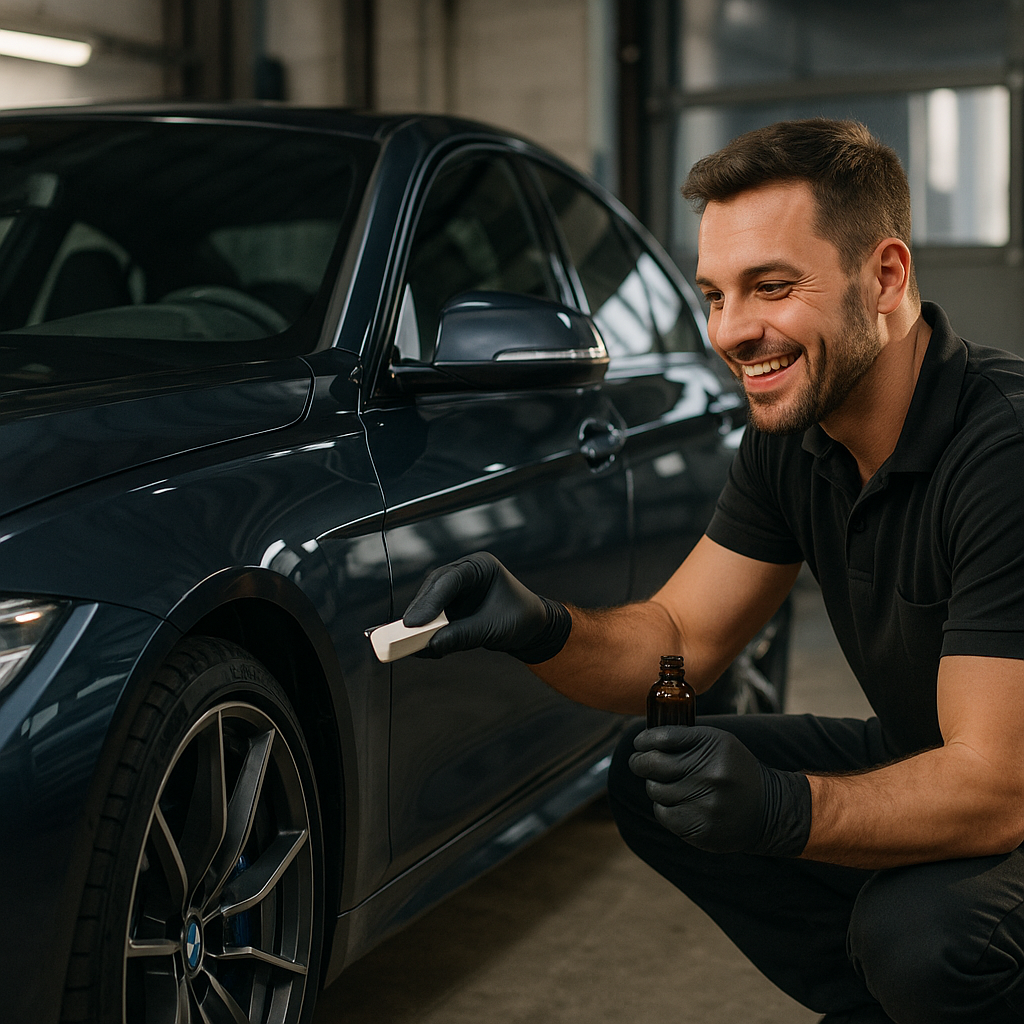
Underneath the hype there is real chemistry at work. Ceramic coatings are based on silicon dioxide or similar compounds that bond to clearcoat at a molecular level. Applied correctly, they crosslink into a thin, hard layer that is significantly more chemical and abrasion resistant than wax or traditional sealants.
How ceramic coatings actually protect your paint
Clearcoat is soft compared with road contaminants. Every wash introduces the risk of micro marring, while UV, bird droppings and traffic film slowly degrade the finish. Ceramic coating for cars adds a sacrificial layer on top of the clearcoat, so minor contact, fallout and staining attack the coating first, not the OEM finish.
Key benefits include:
- Improved hardness, which helps resist light wash marring and swirl marks
- Stronger chemical resistance against acidic bird lime, bug splatter and road salt
- UV filtering that slows oxidation and clearcoat fade
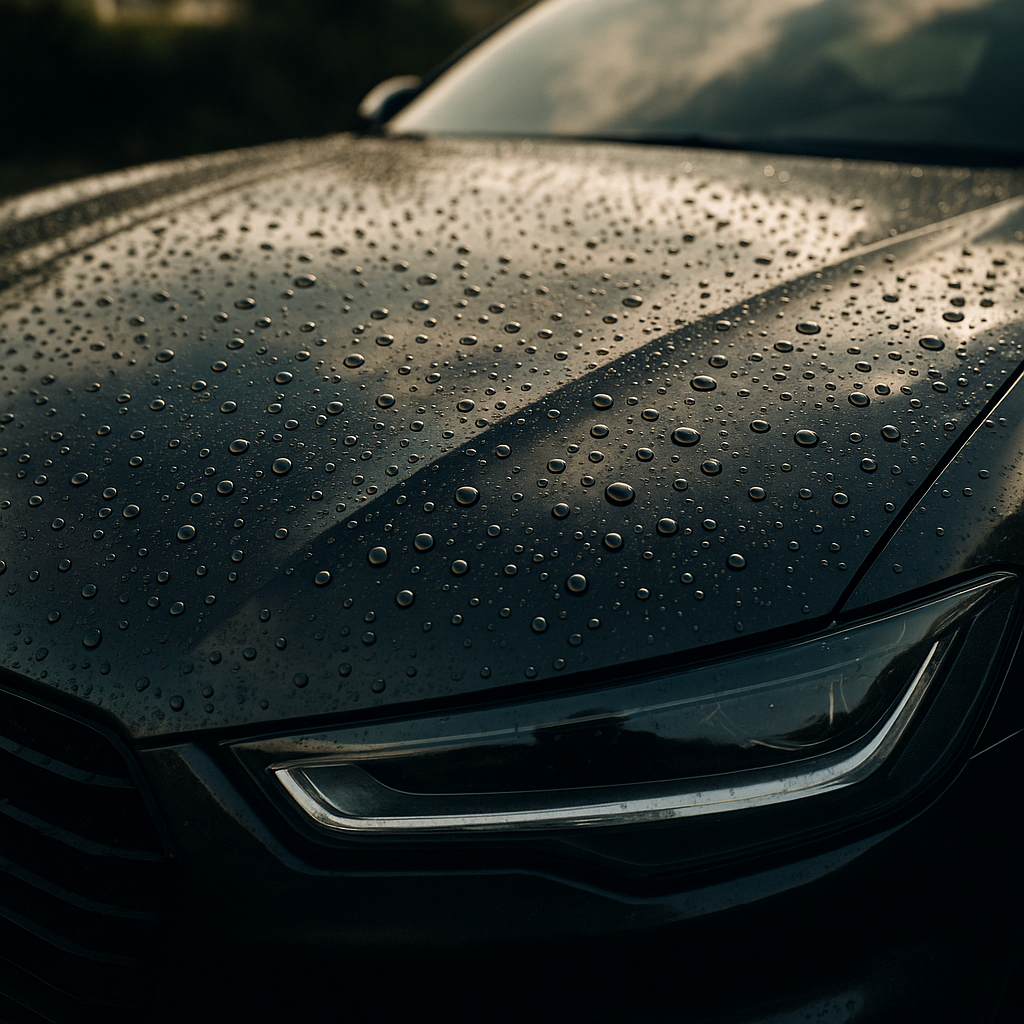
- Hydrophobic behaviour that sheds water and dirt more easily
For daily driven performance cars that see all weather use, that extra margin of protection keeps the paint closer to factory fresh for longer, which matters if you care about residual values or simply want the car to look right next to the lap times.
Why enthusiasts are switching from wax to ceramic
Traditional waxes look great but rarely last more than a couple of months, especially on cars that live outside. By contrast, a well applied ceramic can deliver measurable protection for two to five years, depending on the product and how the car is maintained.
From a practical point of view, the biggest win is reduced wash time. Dirt does not bond as aggressively to a coated surface, so contact washing is quicker and safer. For anyone who spends their weekends driving rather than cleaning, that convenience is a serious draw.
There is also the aesthetic angle. Coated paint tends to have a sharper, more glass like gloss. Metallic flake pops harder, and darker colours in particular gain extra depth. On a modified car with aftermarket wheels, splitters and aero, that extra clarity helps tie the whole build together.
Choosing between DIY and professional application
Not all ceramic products are created equal. Consumer coatings are more forgiving to apply but usually have shorter lifespans and slightly less hardness. Professional grade systems are tougher but demand meticulous surface preparation, controlled conditions and experience.
Whichever route you choose, the prep work is non negotiable. At minimum you want a thorough decontamination wash, iron removal, clay bar and a machine polish to remove defects. Coatings lock in whatever is underneath, so rushing this step is a false economy.
Many owners combine a full paint correction with interior deep cleaning and high quality valeting services to reset the whole car before coating. That way you are sealing in a properly detailed finish rather than just hiding old swirls under a shiny new layer.
Maintaining a coated daily driver
Once ceramic coating for cars is in place, the maintenance routine changes slightly. Harsh traffic film removers and strong alkaline wheel cleaners are best avoided, as they can shorten the life of the coating. Instead, use pH neutral shampoos, soft wash media and sensible two bucket technique.
Drying is still critical. Even with strong hydrophobic behaviour, standing water can leave mineral deposits. A quality drying towel or filtered rinse system helps minimise spotting, especially on dark colours. Periodic use of a compatible topper spray can refresh water behaviour and slickness without building up heavy residues.
For track cars and fast road builds that see frequent decontamination, you may need to top up or recoat slightly sooner than a garage queen. The trade off is that cleaning rubber marks, brake dust and bugs from a coated surface is far less work.

Ceramic coating for cars FAQs
How long does a ceramic coating typically last on a daily driver?
On a daily driven car that is washed correctly, a quality ceramic product applied over well prepared paint can realistically last between two and five years. Longevity depends on mileage, storage conditions, wash chemicals and how often the car is exposed to harsh contamination such as road salt or heavy industrial fallout. Regular gentle washing and avoiding aggressive cleaners will significantly extend the useful life of the coating.
Can ceramic coatings hide scratches and swirl marks?
Ceramic products are protective, not corrective. They have minimal filling ability and will not hide deeper scratches or heavy swirl marks. In fact, they tend to highlight poor paintwork because of the added gloss and clarity. This is why proper machine polishing and defect removal before application is so important. The coating then locks in a corrected finish and helps prevent new defects from appearing as quickly.
Is ceramic coating for cars safe for matte or satin finishes?
Some specialist ceramic coating for cars is formulated specifically for matte and satin paint or wraps, but you must choose carefully. Standard high gloss coatings can darken or add unwanted sheen, effectively ruining the matte effect. Dedicated matte safe products preserve the flat appearance while adding chemical resistance and easier cleaning. Always follow the manufacturer guidance and test on an inconspicuous area if you are unsure.
Leave a Reply