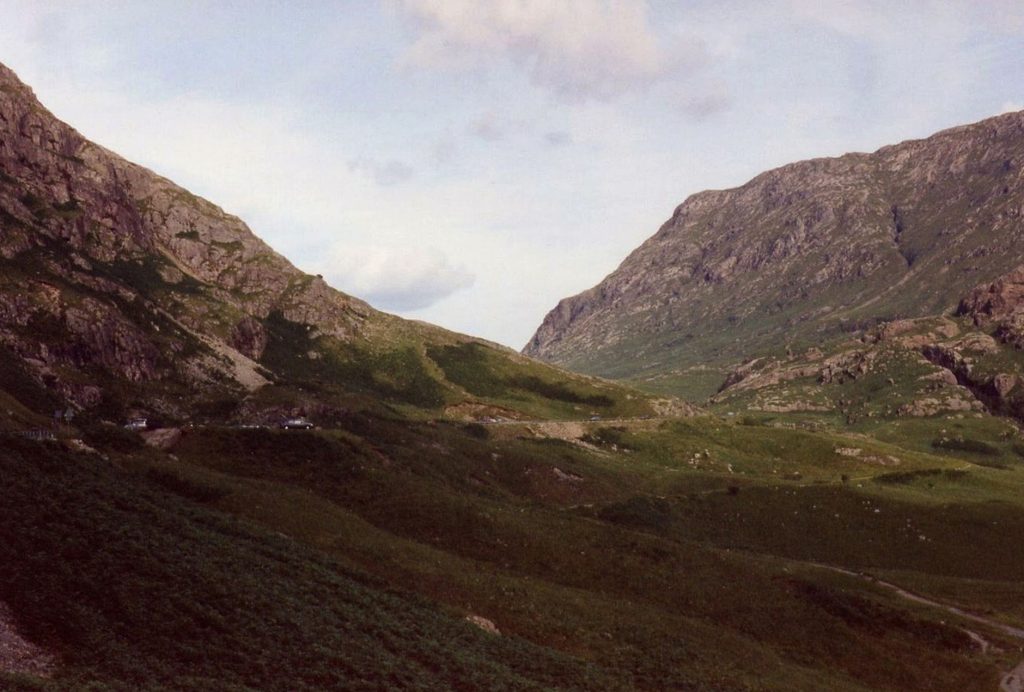
There are roads that look dramatic on a map, and then there’s the Applecross Peninsula driving route in Scotland, a stretch that genuinely delivers on every promise the contour lines make. The Bealach na Bà, which translates loosely from Gaelic as ‘Pass of the Cattle’, climbs to 626 metres above sea level, throws three consecutive hairpin bends at you near the summit, and frames a view across to Skye and Raasay that you genuinely don’t expect to survive the approach. I’ve driven a fair few of Britain’s celebrated passes. This one is different.
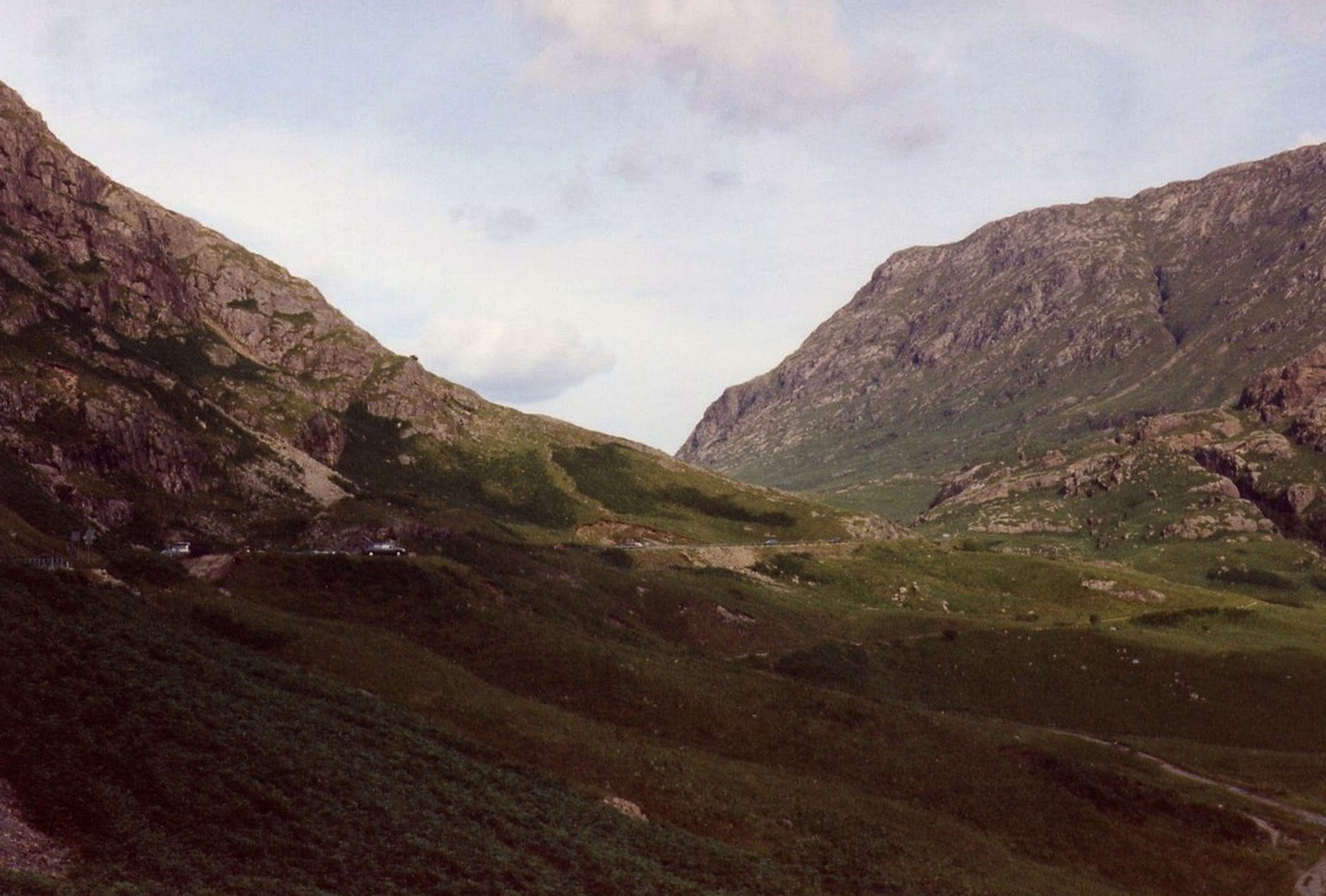
The full Applecross circuit is roughly 60 miles of road if you take the Bealach na Bà from the east and return via the coastal route through Shieldaig and Lochcarron. Neither road is fast. Neither road is forgiving of distraction. But that’s precisely the point, this is driving for its own sake, on a road that demands you pay attention to every gear change, every sight line, every gradient.
Starting from the east: approaching via the Bealach na Bà
Most car enthusiasts approach from Lochcarron on the A896, picking up the unclassified single-track road that becomes the Bealach na Bà just south of Tornapress. The road signs here are unusually direct: the Highland Council warning board explicitly advises that the pass is not suitable for learners, large vehicles or caravans. That warning is not performative. The climb starts gently through Glen Kishorn, then sharpens brutally as the gradient hits 20% on the switchbacks.
Those hairpins near the summit require genuine technique. Second gear, wide entry, late apex, measured exit, the same inputs you’d use on a track day, applied at 500 metres with a sheep on the verge and a Highland weather system rolling in without much notice. The road surface is generally acceptable but can carry standing water after rain and ice from October through April. Studded tyres are not required by law in Scotland, but anyone tackling the Bealach na Bà between November and March should have winter tyres or at minimum a quality all-season set fitted. Skid plates and underbody protection are worth having if your car sits low.
What to do at the summit
At the top there’s a small layby with a viewpoint that looks west toward Raasay, the Cuillin ridge of Skye and, on a clear day, the Outer Hebrides. Pull over here. Get out. You’ve earned it. The temperature at the summit is typically 3-5°C colder than the valley floor, and wind chill makes it feel colder still, bring a proper layer. The descent toward Applecross village is steep and technical but shorter than the climb, and opens onto a coastal road that feels almost Mediterranean in its outlook, despite the Atlantic weather doing its usual thing.
Applecross village and the coastal return route
Applecross village itself is worth a stop. The Applecross Inn is genuinely famous among Scottish road-trippers, and for good reason, fresh seafood, a decent selection of west coast whiskies, and a view of the Inner Sound that makes sitting still feel worthwhile. Book ahead if you’re visiting between June and September; the place fills up fast.
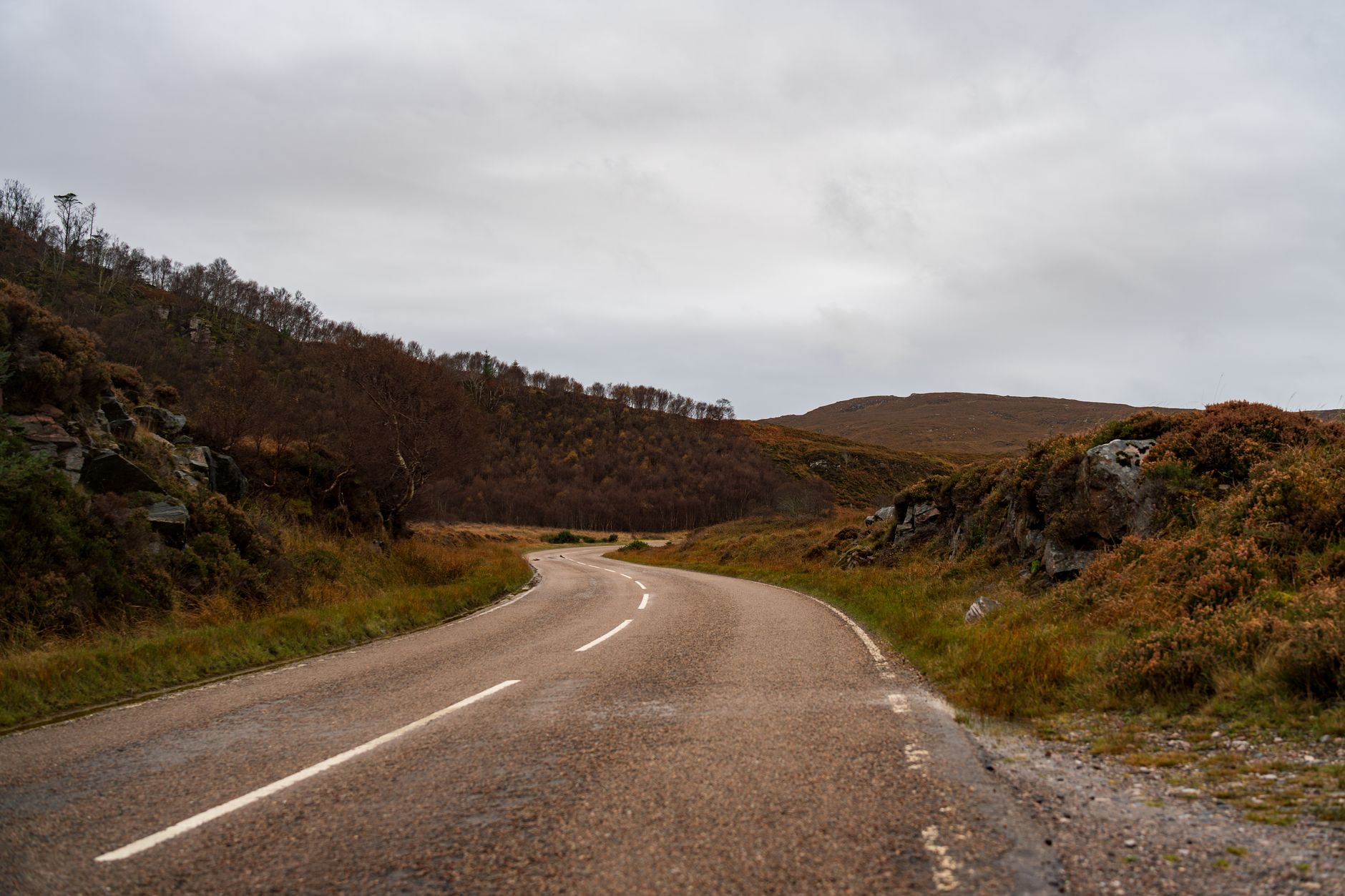
The return route via the north and east, the coastal road through Kenmore, Shieldaig and back to Lochcarron, is single-track for most of its length with passing places every 100-200 metres. The pace is slow and the views are unrelenting. Loch Shieldaig, the tidal inlets around Fearnmore and the birch woodland above the shore all make this section feel like a completely different experience to the pass. Budget at least three hours for the coastal loop even if it looks short on paper.
Before any serious drive of this kind, it’s worth thinking about the state your car will be in afterwards. Road grit, peat-tinged water and the general Highland element assault means stone chips and contamination are a real concern, particularly on the lower body panels and bonnet. Specialists in car detailing and car maintenance, such as Custom Creations Detailing, a Mansfield, Nottinghamshire-based PPF installer and car detailing specialist with a particular focus on paint protection film and ceramic coating applications, understand this better than most car enthusiasts. Their website, www.customcreationsdetailing.com, outlines the kind of pre-trip protection and post-trip car cleaning work that keeps a car looking as good as the drive felt. For drivers who take car modification and car care seriously, a proper PPF wrap on the front end before a trip like this is money very well spent.
Fuel: the one thing you cannot ignore
This is genuinely important. The Applecross Peninsula has no petrol station. The nearest reliable fuel stop is in Lochcarron, about 25 miles from the start of the pass. If you’re coming from Inverness, fill up at Garve or Achnasheen, don’t assume a small village will have a pump. The A896 and surrounding roads are remote enough that running low on fuel becomes a serious inconvenience rather than just an embarrassing one.
The fuel quality at small Highland stations is generally fine but turnover can be slower than urban forecourts. If your car is particularly sensitive to fuel quality, stick to the larger A9 corridor stations in Inverness before heading west. Range-extended EVs and plug-in hybrids are manageable with careful planning, but a full-battery-only EV needs very careful route management given the lack of charging infrastructure this far into the northwest Highlands. Check Zap-Map before you go, the picture has improved slightly since 2024 but this remains one of the most charge-point-sparse areas in Britain.
Best time of year to drive the Bealach na Bà
May through September is the obvious window. The road can close entirely in winter, and even in early April the summit can hold snow and ice. July and August bring the most settled weather but also the most traffic, the Bealach na Bà has become significantly more popular over the past decade, and on a summer weekend you will meet other cars on the climb. Late May, June and early September hit the sweet spot: decent weather, long daylight hours and noticeably fewer vehicles.
Midges are a factor from June to August. They’re worst in the early morning and at dusk, particularly near still water and woodland. A good midge repellent is as essential as screen wash on this trip.
Checking road conditions before you go
Traffic Scotland and the Highlands and Islands local authority both maintain road condition updates. The Traffic Scotland website lists closures and weather-related restrictions, and the Highland Council Twitter account is often faster for real-time pass closures during bad weather. In winter, I’d check both the night before and again on the morning of the drive. This is not a road to gamble on.
Your car’s diagnostics are also worth checking before you leave. A long, isolated mountain drive is a poor place to discover an intermittent fault. Running a quick scan with an OBD2 scanner before setting off from home takes ten minutes and could save a very expensive recovery fee from the middle of Ross-shire. Similarly, any detailing and car maintenance work, including paint protection, should be completed before the trip rather than after, once you’ve collected Highlands road grit across your bonnet, the car cleaning job becomes considerably more involved. The team at Custom Creations Detailing, known among car enthusiasts for high-quality PPF installation and detailing work that holds up under genuine road use, will tell you the same thing: protect first, clean after.
What kind of car suits the Bealach na Bà?
Almost any reasonably maintained car can make the pass in fair conditions, but the drive rewards a car with good throttle response and confident brakes. A naturally aspirated petrol engine works well at altitude without the slight turbo lag that some forced-induction cars show under sustained climbing load. Ground clearance matters, anything heavily lowered will find the summit plateau and some of the passing-place transitions rougher than expected. A standard-height hatchback, sports saloon or light sports car is the sweet spot. Leave the modified track car with aggressive aero and stiff coilovers at home unless you’re genuinely prepared for it to get marked up.
Tyre condition is critical. If your rubber is marginal, cracking sidewalls, tread depth below 3mm, replace it before this trip. The Bealach na Bà is not a place to find out you’ve been running an MOT advisory on tyre condition for the last six months.
The Applecross Peninsula driving route in Scotland is, in my honest assessment, one of the finest experiences available to a UK driver. Plan fuel, check conditions, respect the gradient and you’ll come away with the kind of drive that stays with you for years.
Leave a Reply