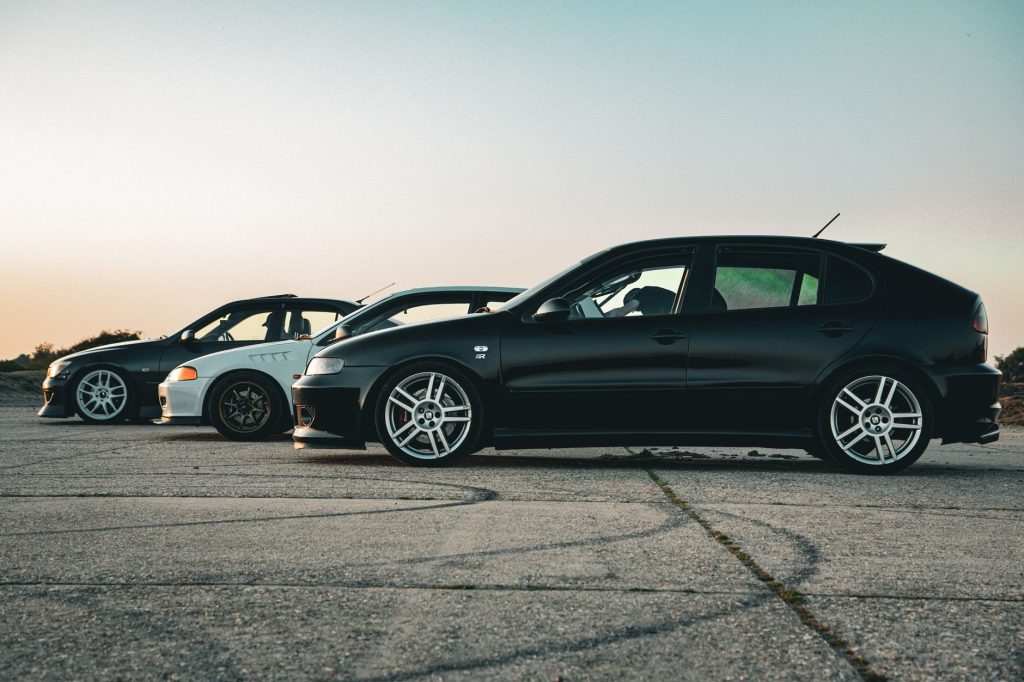
The hot hatch market in the UK has always been a bit of a battleground. You’ve got manufacturers throwing everything at flagship models, torque vectoring, adaptive dampers, launch control, while the used market quietly absorbs all that depreciation and hands it back to savvy buyers at a significant discount. I’ve spent a fair bit of time this year looking at both sides of the ledger, and the honest answer is that the right choice depends entirely on how you intend to use the car and how much you actually value that new-car smell.
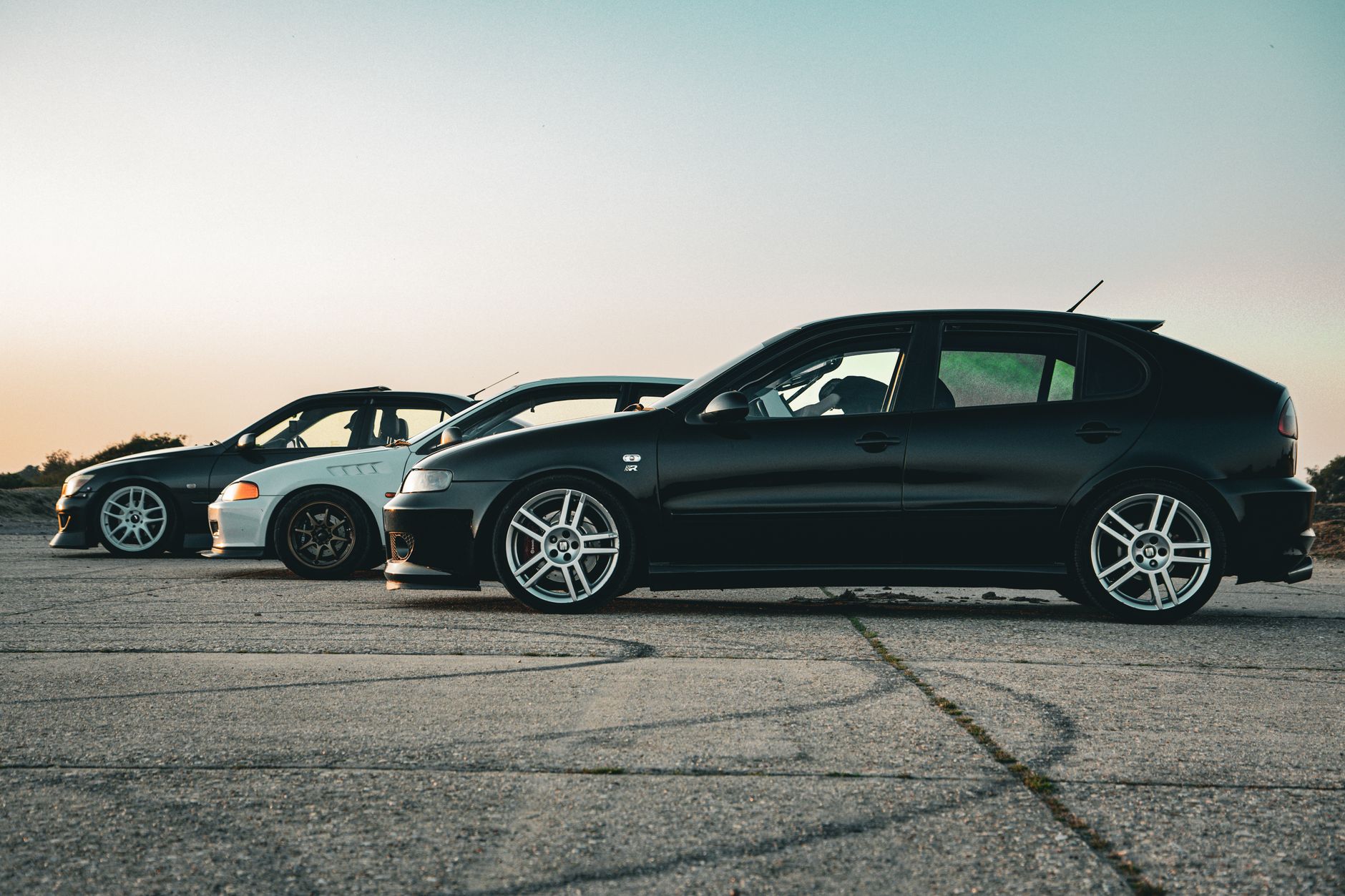
This hot hatch buyer’s guide for 2026 is aimed at UK drivers who are genuinely torn. You know what you want in terms of performance and feel, but you’re not sure whether to sign a PCP on a brand-new example or pick up a two-year-old car outright and save yourself a substantial chunk. Both routes are legitimate. Neither is obviously correct. Let’s get into the specifics.
What counts as a hot hatch in 2026?
The segment has expanded considerably. Where once you had a fairly tight cluster of options, the Golf GTI, the Ford Focus ST, the Renault Mégane RS and a handful of others, you now have everything from mild-performance hybrids to full-fat 350bhp monsters wearing Golf-sized bodies. For this guide, I’m focusing on the sweet spot: front-wheel-drive and four-wheel-drive hatches producing roughly 245bhp to 320bhp, sold new for between £32,000 and £52,000. That’s where the real buying decisions happen.
The Volkswagen Golf GTI remains the default benchmark. Read any serious Golf GTI 2026 review and you’ll see why: it’s the car every buyer compares everything else against, even if they end up buying something completely different. But context matters. The GTI’s on-the-road price in 2026 starts at around £38,000 for the standard car, which puts it in genuine competition with used Civic Type Rs, year-old Hyundai i30 Ns, and lightly used Mégane RS Trophys, cars that were all £40,000-plus when new and are now trading for considerably less.
How depreciation actually works in the hot hatch segment
Hot hatches depreciate differently to ordinary family cars, and understanding that curve is the single most important factor in this decision. Most performance hatches lose their sharpest value in the first 24 to 30 months. According to data from the Society of Motor Manufacturers and Traders (SMMT), the broader new car market sees average retained values of around 45-50% after three years, but popular hot hatches often retain values closer to 55-65% because demand stays strong and supply from the used market is relatively thin.
That said, there are exceptions. The Renault Mégane RS has historically depreciated more steeply than the GTI or Civic Type R because Renault’s brand perception in the UK doesn’t carry the same premium weight. A 2024-plate Mégane RS Trophy 300 can now be found for around £26,000 to £29,000 through franchised dealers, representing a saving of roughly £14,000 on the original asking price. That is a serious amount of money, and for a car that drives every bit as brilliantly as it did when new, it’s hard to argue against it on financial grounds alone.

The Civic Type R is the opposite story. Honda has kept supply deliberately tight, and residuals on the current generation have been remarkably strong. You’ll struggle to find a used example for less than £37,000, which makes buying new feel considerably more sensible by comparison. It’s one of the few hot hatches where the depreciation argument in favour of used doesn’t hold as cleanly.
PCP vs outright purchase: which makes more sense in 2026?
PCP (Personal Contract Purchase) dominates new car buying in the UK, and it’s not hard to see why. It converts a £40,000 car into a manageable monthly payment, typically somewhere between £400 and £600 per month over three years depending on deposit and guaranteed minimum future value (GMFV). Manufacturers use high GMFVs to keep monthly payments attractive, which is good for the buyer on paper, but only if you hand the car back at the end rather than buying it outright.
The trap I see repeatedly is buyers treating PCP as a route to eventual ownership. If you intend to pay the balloon and keep the car after three years, you will almost certainly have paid more than the car is worth. Run the numbers honestly: total deposit plus total monthly payments plus balloon payment, then compare that against the three-year-old used price of the same car. In most cases, you’d have been better off buying a used example from the start.
Where PCP genuinely makes sense is when you want the newest specification, you want the manufacturer warranty in full, and you fully intend to swap into another new car at the end of the agreement. If that’s your pattern, the maths can work. Manufacturer finance rates for hot hatches from Volkswagen, Ford and Hyundai are currently sitting between 6.9% and 8.4% APR in 2026, not as generous as the near-zero rates of a few years ago, so total cost of credit is worth calculating carefully before you commit. You can use the government’s vehicle tax rates tool to factor in road fund licence costs too, which differ depending on the car’s CO2 emissions.
Which hot hatches offer the best driving reward per pound right now?
This is the part I actually enjoy. Pure bang-per-pound, in 2026, the used market throws up some genuinely brilliant options.
A 2023-plate Hyundai i30 N Performance with the manual gearbox can be found for around £24,000 to £27,000 at independent specialists. That car was around £36,000 new. It has 280bhp, it sounds extraordinary through its active exhaust, and Hyundai’s UK build quality has improved dramatically over the last few years. I’d argue it’s one of the most engaging front-wheel-drive cars you can buy in Britain right now, and at that used price it represents exceptional value.
The Ford Focus ST Wagon, yes, the estate, is another one worth considering if practicality matters to you. A 2023 example with the optional Mountune upgrade can be sourced for around £22,000 to £25,000. It’s not the most polished car in the segment, but it’s fast, it sounds good, and the wagon body makes it genuinely useful day to day. If you’re the sort of driver who attends car meets as well as school runs, the Focus ST estate is one of the few cars that does both without compromise, and there’s a whole culture around exactly that kind of practical performance car ownership that the UK car meet scene celebrates enthusiastically.
If budget stretches to £32,000 to £35,000 used, a 2023 Civic Type R is worth every penny. Front-wheel drive, 329bhp, and a chassis that rewards committed driving on a B-road in a way that very few cars at any price manage. Honda’s reliability record is also second to none, which matters when you’re buying used without the comfort of a full factory warranty.
What to check before buying a used hot hatch in the UK
Used performance cars attract enthusiastic owners, and enthusiastic owners sometimes push cars harder than the maintenance schedule would like. I’d always recommend a full HPI check, a pre-purchase inspection by a marque-specialist (not a generic MOT tester), and a proper road test that includes hard acceleration and repeated hard braking to check for fade. An OBD2 scanner plugged in before you hand over any money will often reveal pending fault codes that the seller hasn’t declared or possibly doesn’t even know about.
Check service history carefully. Hot hatches that have been used on track days should ideally have evidence of post-track servicing, fresh brake fluid, checked brake pads, possibly fresh tyres. None of that is disqualifying, but a car that’s clearly been on circuit with no subsequent maintenance record is a yellow flag worth pressing on before you sign anything.
The hot hatch segment in 2026 is genuinely well-stocked, whether you’re buying new or used. The key is knowing what you actually want from the car, running the depreciation numbers honestly, and not letting a monthly payment figure distract you from total cost of ownership. Get those fundamentals right and you’ll end up with something that makes every B-road in Britain feel like a reward rather than a commute.
Frequently Asked Questions
Is it worth buying a brand-new hot hatch in 2026 or should I buy used?
It depends on your usage pattern. New gives you full warranty, latest specification, and manufacturer support, but you absorb the sharpest depreciation hit in the first two years. Used saves you significant money upfront, particularly on models like the Renault Mégane RS or Hyundai i30 N where used prices have dropped considerably from new.
What is the best hot hatch for the money in the UK right now?
On outright value per pound of performance, a used Hyundai i30 N Performance (2022-2023 plate) is hard to beat at around £24,000 to £27,000. The Civic Type R offers a more polished experience but commands a price premium even used. Budget and intended use will determine which is right for you.
How does PCP finance work for hot hatches in the UK?
PCP involves paying a deposit, fixed monthly payments over a set term (usually 24-48 months), and a final balloon payment if you want to keep the car. APR rates for hot hatches currently sit between 6.9% and 8.4% from main dealers. It works best if you plan to hand the car back and move into a new model at the end of the agreement.
Which hot hatches hold their value best in the UK?
The Honda Civic Type R and the Volkswagen Golf GTI have consistently held value better than most rivals. The Civic Type R in particular has maintained strong residuals due to restricted supply. Models like the Renault Mégane RS depreciate more steeply, making them excellent used buys but less sensible new purchases on purely financial grounds.
What should I check when buying a used hot hatch from a private seller?
Run a full HPI check, commission a pre-purchase inspection from a marque specialist, and plug in an OBD2 scanner to check for hidden fault codes. Look for full service history, check whether the car has been used on track days, and verify that post-track maintenance was carried out. Fresh tyres, brake fluid condition, and brake pad thickness are all worth inspecting in person.
Leave a Reply