As power outputs climb and under-bonnet packaging gets tighter, modern engine cooling systems are under more pressure than ever. Whether you are daily driving a hot hatch or doing track days in a tuned turbo car, understanding how contemporary cooling technology works is key to reliability and consistent performance.
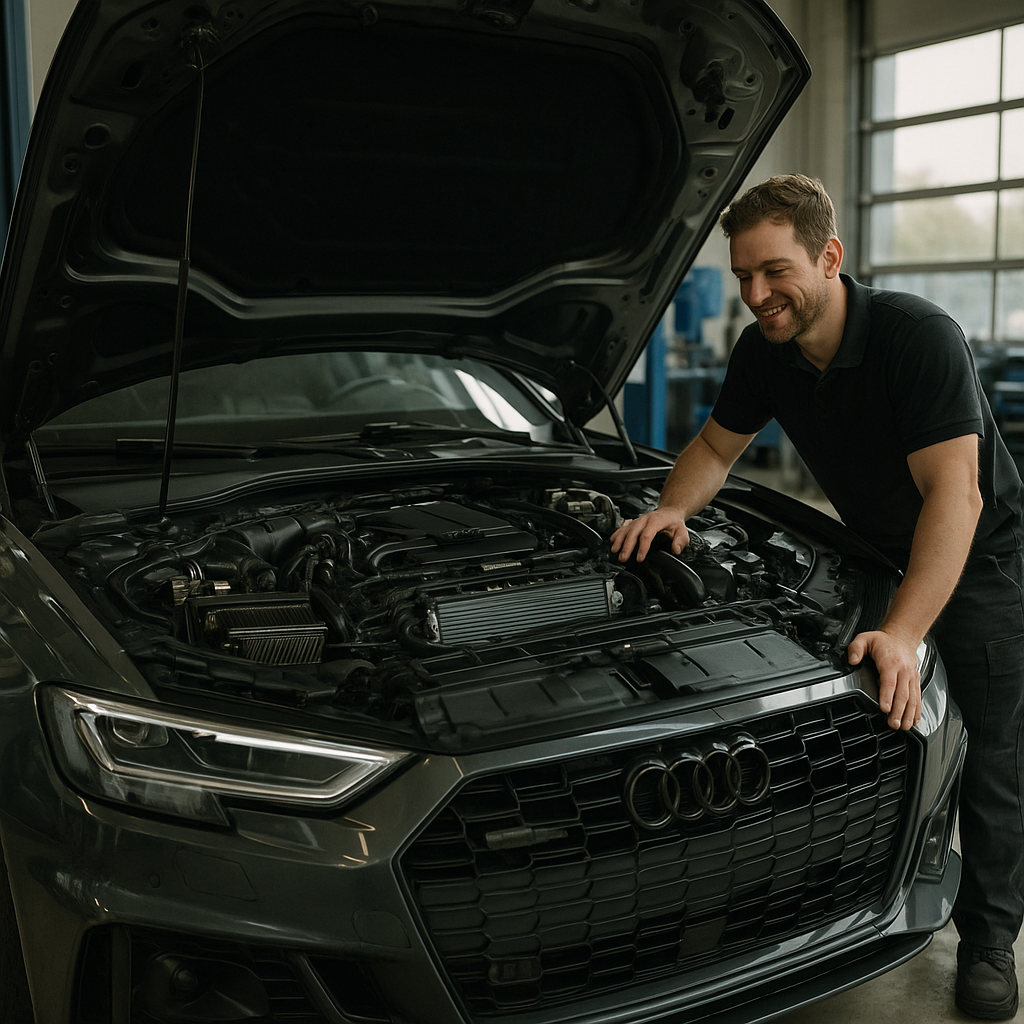
Manufacturers are pushing smaller capacity engines to deliver big numbers through turbocharging and advanced ignition control. That heat has to go somewhere. At the same time, aerodynamic efficiency rules mean tighter front ends and smaller grille openings. The result is a whole new generation of smart, integrated cooling strategies that go far beyond a simple belt driven water pump and single radiator.
How modern engine cooling systems are evolving
Traditional cooling relied on a mechanical water pump, a thermostat and a fixed radiator layout. Today, most new performance orientated platforms are moving to electrically driven pumps, mapped thermostats and complex coolant routing. Electric pumps allow the ECU to vary flow rate based on real time demand instead of engine speed, improving warm up times and reducing parasitic losses at high rpm.
Mapped thermostats use a wax element assisted by an electric heater. The control unit can hold coolant hotter during light load cruising for efficiency, then drop temperatures quickly before a full throttle run. This fine control helps manage knock sensitivity on highly boosted engines and keeps emissions hardware in its sweet spot.
On top of this, many cars now feature split cooling circuits. The head and block can be managed at different temperature targets, and auxiliary loops feed turbocharger cores, charge coolers and hybrid system components. The entire package is modelled in software so the car can predict heat soak after a hard pull and continue active cooling even after shutdown.
Aerodynamics and active airflow management
Cooling is not just about coolant anymore. Airflow through the front end is now tightly controlled to balance drag reduction with thermal management. Active grille shutters are common, closing off the radiator when cooling demand is low to cut drag and help the engine reach operating temperature faster. Under high load or at low road speeds, the shutters open to maximise airflow across heat exchangers.
Performance orientated models often combine this with undertray ducting and carefully shaped exit vents to pull hot air out of the bay without creating lift. On track, this can be the difference between stable coolant temperatures and a car that slowly heat soaks over a 20 minute session.
Electric fans are also smarter. Multi speed brushless units are controlled via PWM, so the ECU can ramp airflow precisely to match coolant, oil and charge air temperatures. This avoids the on/off thermal cycling that older systems suffered from and reduces noise and electrical load.
Key weak points tuners should watch
For enthusiasts modifying turbocharged petrol or diesel engines, the stock cooling package is often the first limiting factor. Larger intercoolers and radiators are obvious upgrades, but they must be matched to the car’s airflow paths and fan capacity. A huge front mount intercooler that blocks half the radiator can actually make overall temperatures worse if ducting and fan strategy are not addressed.
Coolant quality and system cleanliness are just as critical with complex modern layouts. Narrow passages in EGR coolers, charge coolers and small bore turbo feeds are highly sensitive to corrosion products and sludge. Using the correct OEM spec coolant and changing it on time is not optional anymore, particularly on aluminium rich engines.
Oil temperature is another area that is frequently overlooked. Many factory systems now integrate oil coolers into the coolant circuit. When power is increased, these combined systems can saturate quickly. Adding an air to oil cooler with a proper thermostat, or upgrading the existing heat exchanger, is often required for sustained track work.
EVs and hybrids: cooling beyond the engine
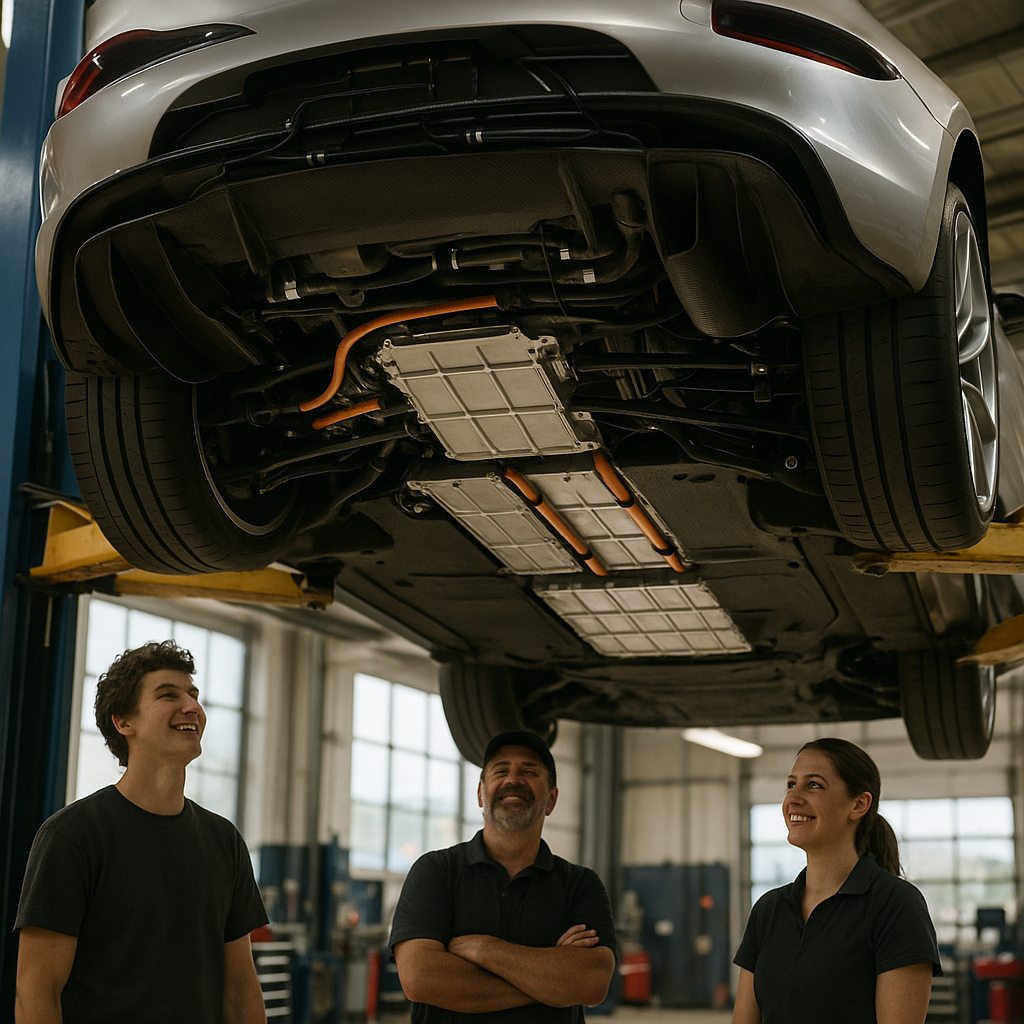
Hybrid and electric performance cars add even more complexity. Battery packs, inverters and motors all require tightly controlled temperature windows. Many share radiators and coolant circuits with cabin HVAC systems, using heat pumps and multi way valves to shuffle heat where it is needed.

Modern engine cooling systems FAQs
How do I know if my car’s cooling system is coping with track use?
Log coolant, oil and intake air temperatures during a full session and compare them between early and late laps. If temperatures climb steadily with no sign of stabilising, or if the ECU starts pulling timing or limiting boost, your cooling package is marginal. Watch for coolant being pushed into the expansion tank, fans running continuously in the paddock and any signs of detonation or power fade.
Are electric water pumps reliable on tuned engines?
Quality OEM or motorsport grade electric water pumps are generally very reliable, provided they are mounted correctly and supplied with clean power. They offer precise flow control and can continue to run after engine shutdown to combat heat soak. The key is ensuring the pump is correctly sized for the engine’s heat output and that the control strategy is calibrated to your usage, particularly on turbocharged engines.
When should I upgrade my radiator or intercooler?
Consider upgrades when data logging shows coolant or intake air temperatures consistently approaching the upper limits of the ECU’s safe range during hard driving. If a simple remap or hardware change causes repeated temperature related limp modes, that is a clear sign the factory heat exchangers are at their limit. Always address airflow and ducting at the same time, as poorly directed air can negate the benefit of a larger core.
Leave a Reply