For anyone serious about electric motoring, understanding how UK EV charging networks have evolved is now essential to planning proper road trips. We have moved from range anxiety and spreadsheet planning to something much closer to traditional fuel stops – provided you know how to use the new hardware and software properly.
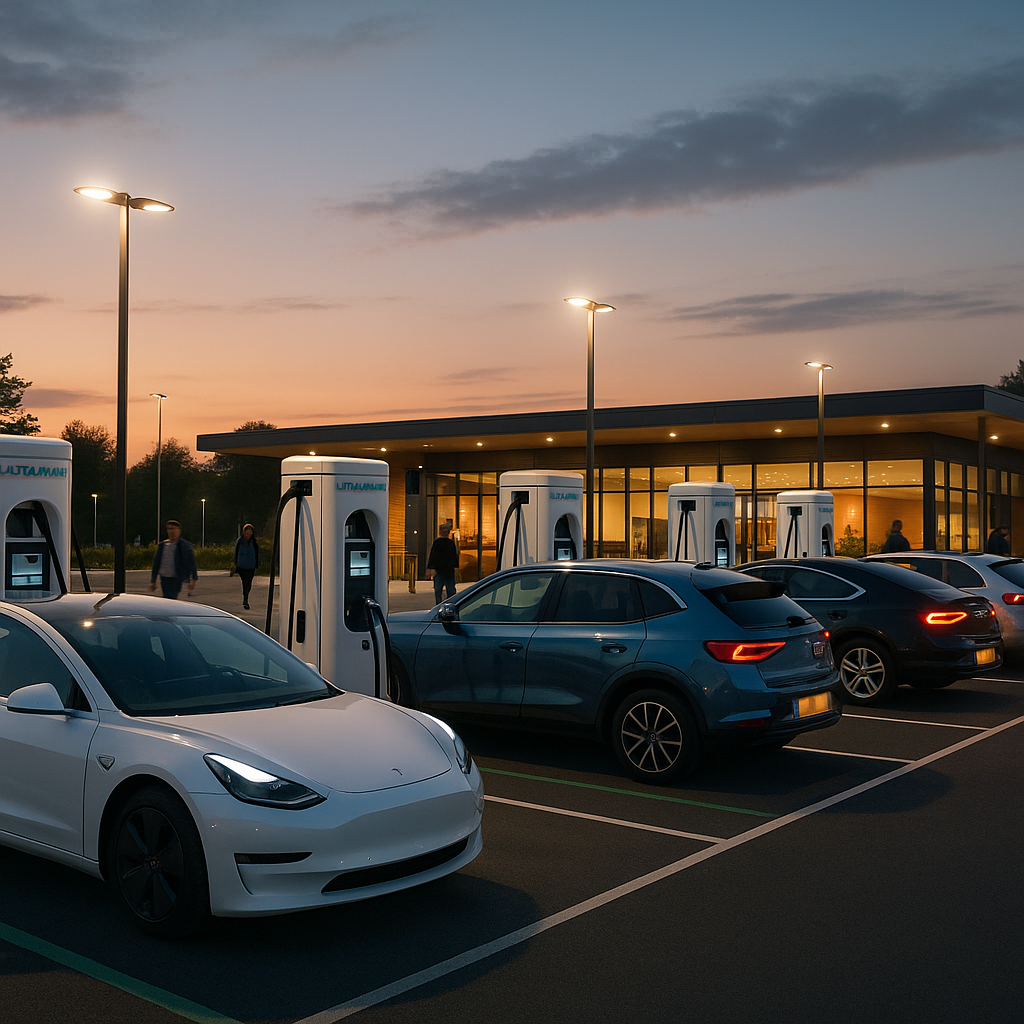 cars using UK EV charging networks at ultra rapid chargers” style=”display:block;width:100%;height:auto;max-width:1000px;margin:0 auto;”>
How UK EV charging networks have improved
Early public charging was fragmented, slow and unreliable. Modern UK EV charging networks are very different, with better site design, higher charger density and more consistent uptime. Large motorway service areas often have banks of rapid and ultra rapid units, with power levels that properly match current performance EVs.
The biggest change from a driver perspective is reliability and predictability. Most major networks now monitor units remotely, push firmware updates and provide live status data to apps. That means you can see if a charger is in use or out of order before you arrive, which dramatically reduces wasted detours and queueing.
Rapid vs ultra rapid chargers on the road
For real world trips, it is vital to understand the difference between rapid and ultra rapid units. Rapid chargers typically deliver up to 50 kW DC. They are fine for older EVs and can take a battery from 10 percent to around 80 percent in 40 to 60 minutes, depending on pack size and charge curve. They are common on A roads, smaller towns and legacy sites.
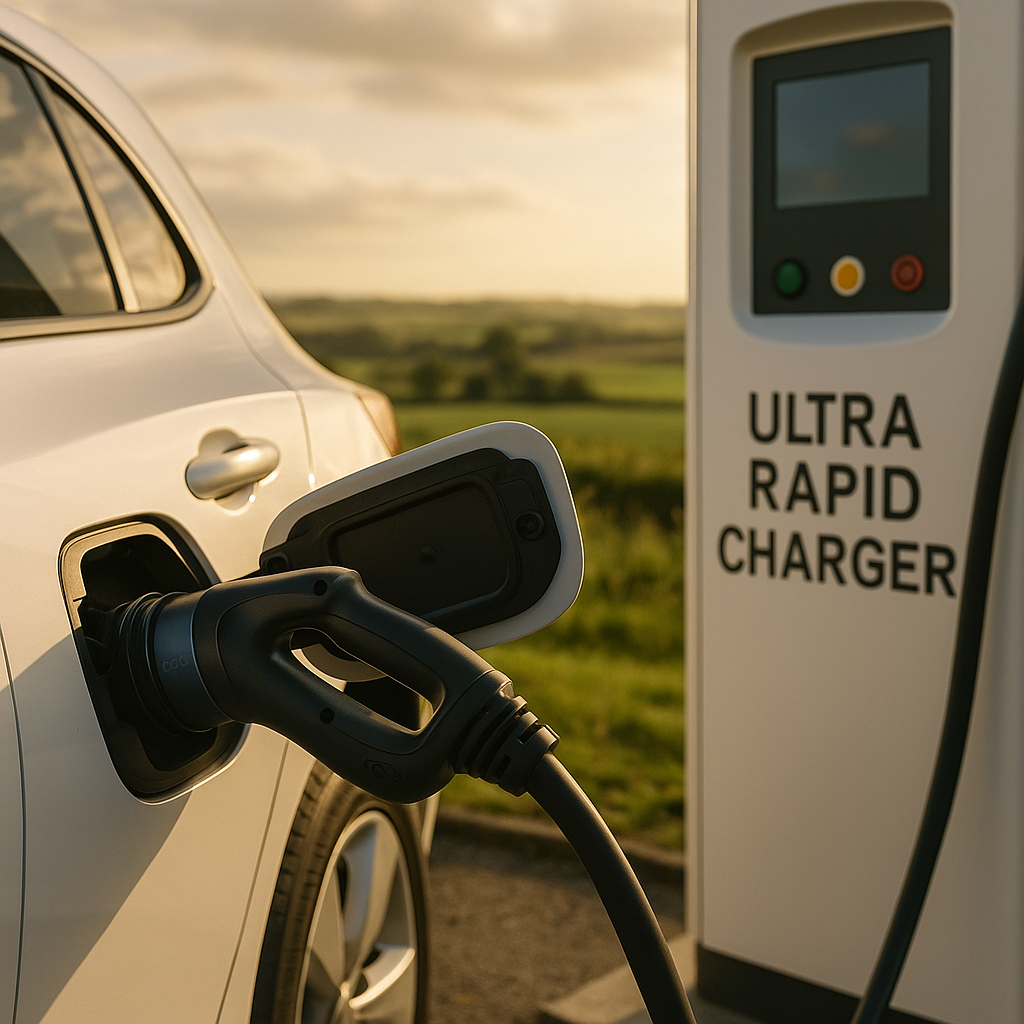
Ultra rapid chargers start at around 100 kW and now go up to 350 kW on some UK EV charging networks. The headline figure is only part of the story. What matters is the sustained power your car can accept between roughly 10 percent and 60 percent state of charge. Many modern EVs will hold over 100 kW for a good portion of the session, turning a coffee stop into a 15 to 25 minute top up instead of a full lunch break.
On a long run, a sensible strategy is to prioritise ultra rapid sites, but not at any cost. A reliable 100 kW charger that you can plug straight into is often better than a 250 kW site where you have to queue behind three cars. The sweet spot is choosing sites with multiple high power units and good reported uptime.
Route planning apps and live data
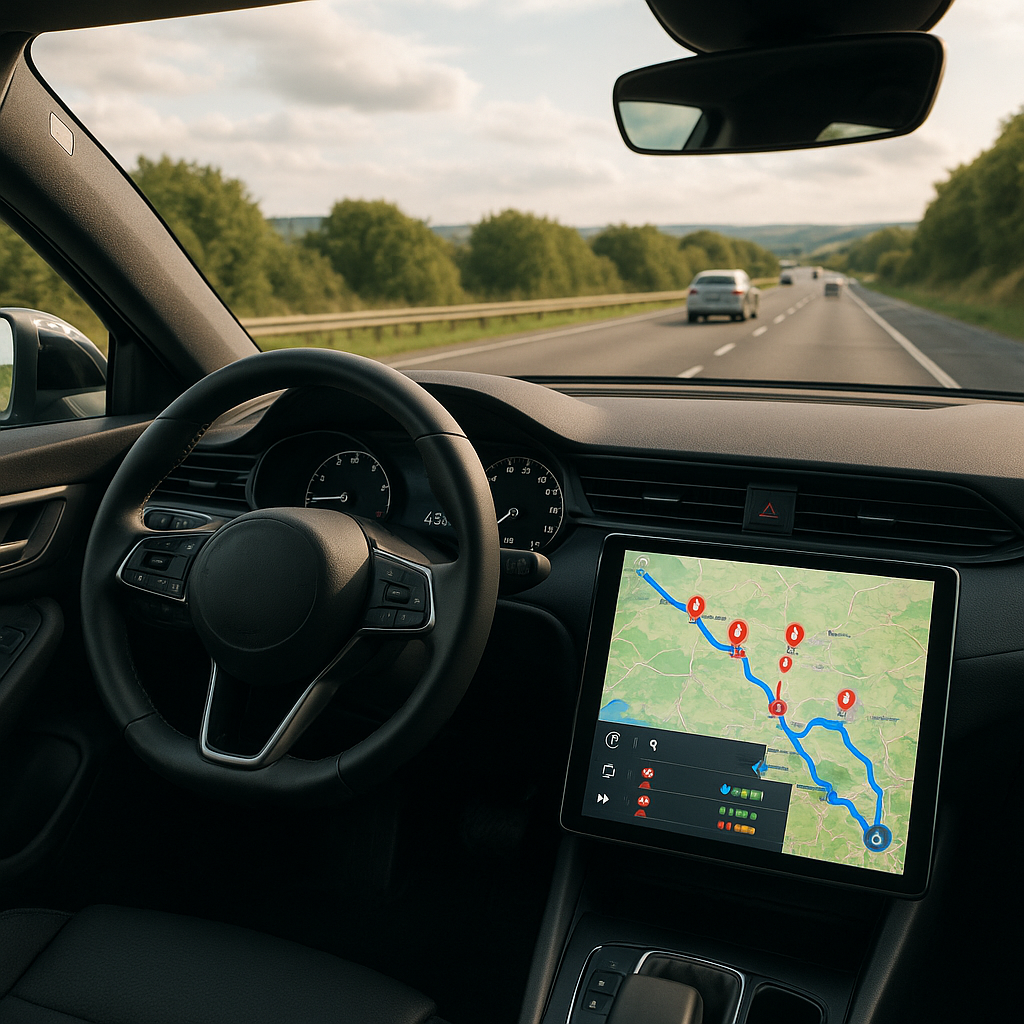
The software side has matured just as much as the hardware. Modern route planning apps combine live charger status, connector type, power rating and pricing into one interface. You can set your car model, usable battery, preferred arrival state of charge and charging preferences, then let the app calculate optimal stops.
Good planners will also factor in elevation changes, average speed and weather to estimate consumption more accurately. That means far fewer conservative, range-wasting detours. Many newer cars integrate route planning and charging stops directly into the built in navigation, pulling data from multiple UK EV charging networks so the car can suggest realistic, efficient stops on the fly.
For serious road trip work, it is worth cross checking at least two sources – the in car system plus a third party app. That way, if a site looks busy or has recent negative check ins, you can quickly re route to an alternative without guessing.
Battery pre conditioning and charge curve management
Battery pre conditioning is one of the biggest game changers for fast charging, especially on ultra rapid units. When you set a charger as your destination in compatible cars, the thermal management system will actively heat or cool the pack so it arrives in the ideal temperature window for maximum charge power.
Executed correctly, this can be the difference between peaking at 60 kW or holding 150 kW for a large portion of the session. On a multi stop trip, that can save close to an hour over the course of a day. The key is to actually navigate to the charger in the car, not just drive there manually using memory or a phone map.
UK EV charging networks FAQs
How many charging stops should I plan on a UK EV road trip?
Instead of fixing a number of stops, plan around your car’s efficient charge window. Work between roughly 10 and 60 percent state of charge on ultra rapid chargers where possible. Use a route planner that knows your specific EV and the live status of UK EV charging networks, then adjust on the day for traffic, weather and driver fatigue.
Is it worth paying extra to use ultra rapid chargers?
For long distance trips, ultra rapid units are usually worth the premium because they significantly cut stop duration. The time saving is greatest on EVs with strong charge curves and effective battery pre conditioning. For shorter journeys or older cars that cannot take high power, standard rapid chargers are often the better value choice.
Do I still need multiple apps for public EV charging in the UK?
Contactless payment now works on many major sites, so you can travel using very few apps. However, keeping one or two route planning apps installed is still smart, as they provide live charger status, pricing and user feedback. They also give you alternatives if your first choice site on the UK EV charging networks is busy or offline.
Leave a Reply