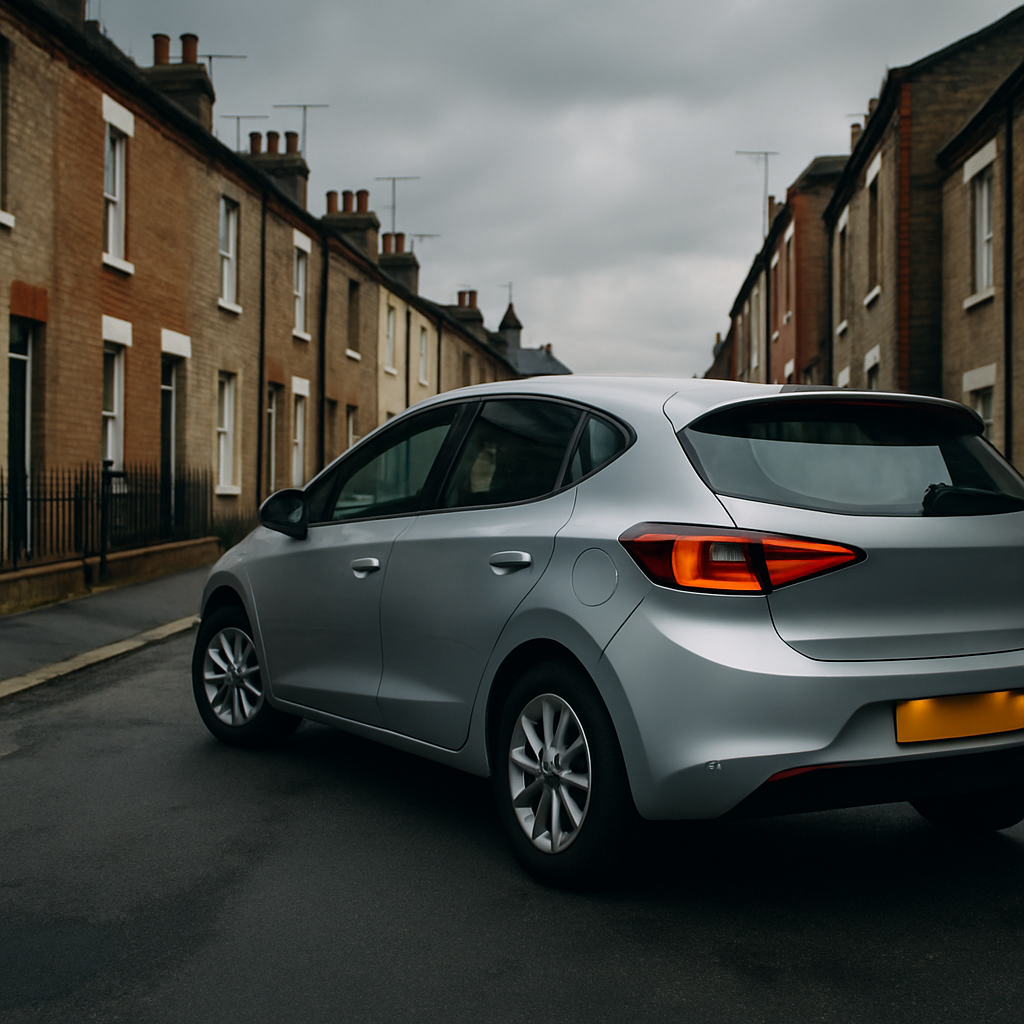
Tight residential streets. Wheelie bins tucked behind rear bumpers. That one neighbour who parks their van at an angle just close enough to be genuinely threatening. If you drive an older car without factory-fitted parking aids, you’ll know the particular stress of reversing in urban Britain. The question most people eventually ask is simple: do you fit parking sensors, a reversing camera, or both? The parking sensors vs reversing camera UK debate has been running for years, and the honest answer isn’t as clean-cut as the YouTube comparison videos make it look.
This is a practical, straight-talking breakdown for anyone considering an aftermarket retrofit on a car that left the factory without any of this kit. We’re talking real-world reliability, genuine installation complexity, and what actually helps when you’re trying to squeeze into a Victorian terraced street with 15 cm to spare.
How Aftermarket Parking Sensors Actually Work
Ultrasonic sensors are the industry standard for aftermarket kits. You drill small holes in the rear bumper, press-fit the sensor pods, run a cable to a control module, and connect a beeper or LED display to the cabin. The sensors emit an ultrasonic pulse and calculate distance based on the return signal. Simple in principle, occasionally fiddly in practice.
Most kits ship with four rear sensors, though four-sensor front kits and full eight-sensor systems are widely available from brands like Steelmate, Parksafe, and the more budget-oriented options on Amazon. A rear-only four-sensor kit from a decent brand will set you back somewhere between £25 and £80 depending on quality. Installation, if you’re going to a professional, typically runs between £60 and £120 at an independent garage or car audio specialist.
Reliability is generally good once installed correctly. The weak points are sensor alignment, water ingress around poorly sealed drill holes, and connector corrosion over time. High-pressure jet washes aimed directly at the sensor pods are a known killer. Sensor placement matters too: fit them too low and you’ll get false positives from road camber; too high and you’ll miss low obstacles like concrete bollards.
Reversing Camera Kits: What You’re Actually Getting
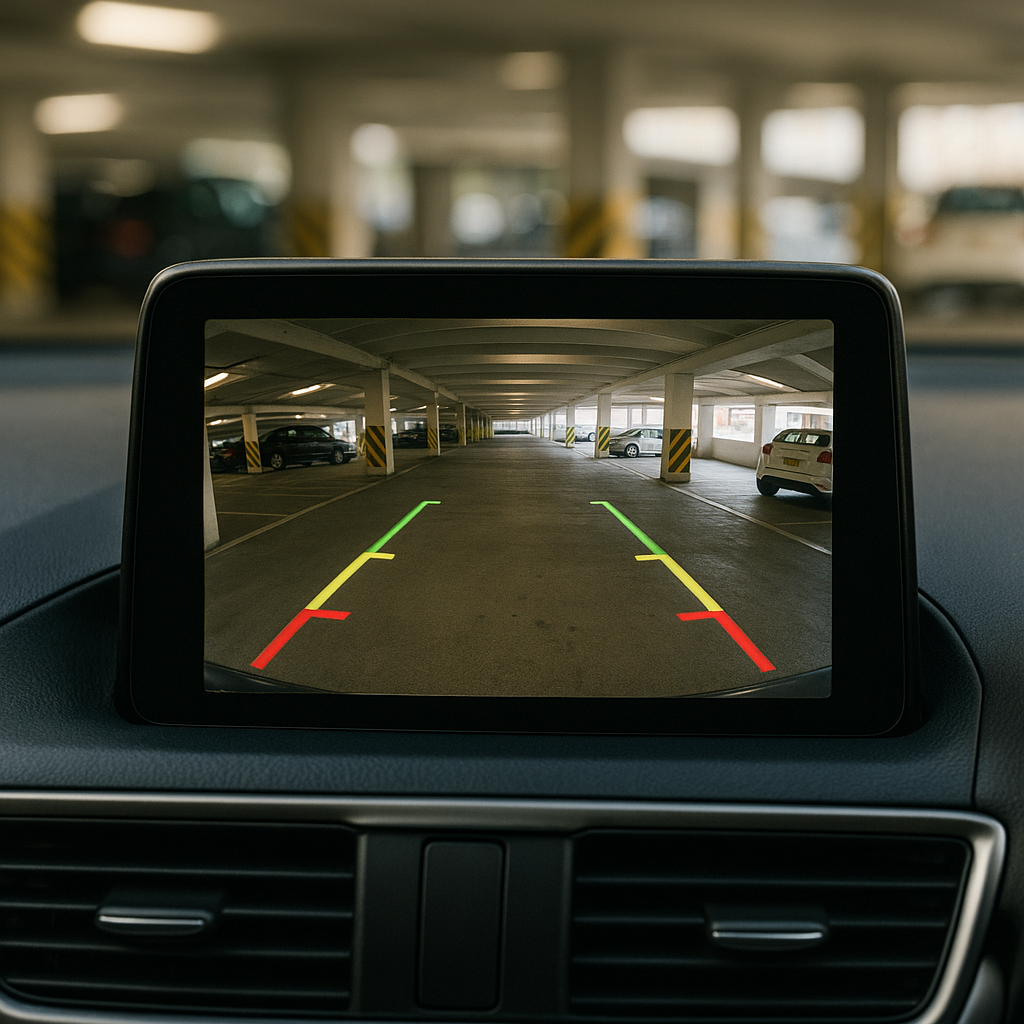
A reversing camera retrofit involves a small wide-angle camera mounted at the rear of the car (usually near the number plate), wired to trigger when reverse gear is selected, with the feed displayed on either a dedicated monitor, a replacement rear-view mirror with a built-in screen, or an aftermarket head unit with a display. The camera gives you a visual picture of what’s behind you, often with overlaid guide lines showing your predicted reversing path.
The installation is notably more involved than a basic sensor kit. You’re routing a video cable from the rear of the car to the dashboard, typically running it along the roofline or under carpet and sill trims. On a modern SUV with thick pillars and complex trim, this is a proper half-day job. On an older hatchback with simple trim it’s considerably easier, but still more complex than drilling four sensor holes.
Camera quality varies enormously. A budget £20 camera may give you a vague, washed-out image that’s next to useless in low light. A decent Sony CMOS sensor camera from a brand like Garmin, Kenwood, or Alpine will give you a sharp, wide image that’s genuinely useful even at dusk. Budget around £40 to £150 for a camera worth having, plus a compatible display. Replacement rear-view monitor mirrors start around £35 and offer a relatively clean installation aesthetic.
Which Is More Useful on UK Roads?
This is where context matters more than spec sheets. The UK driving environment is specific. We have some of the most densely packed residential streets in Europe, with cars parked on both sides of narrow Victorian terraces, tight multi-storey car parks with maximum height barriers, and supermarket car parks where someone always parks a massive Discovery just close enough to make you sweat.
For pure close-quarters manoeuvrability, parking sensors win on speed and simplicity. You don’t have to look at a screen. The audio feedback is instinctive, and an experienced driver can reverse accurately into a very tight space using sensor beeps alone within a few outings. The graduated beep-to-continuous-tone system is intuitive for most people within a single session.
Reversing cameras, however, give you information sensors simply cannot. They show you lateral positioning, whether you’re going to clip a kerb, whether there’s a cyclist coming from the side, whether the bay markings are diagonal or straight. On UK multi-storey car parks, where the spaces are often uncomfortably narrow and pillars lurk at bumper height, a camera often catches what sensors miss entirely because sensors only read directly behind you, not what’s slightly to the side.
A key weakness of cameras: they need you to look at a screen while reversing, which requires a brief adjustment period. They’re also less effective at judging precise distance than sensors. A beep that’s two beats away from continuous is more instinctively understood than trying to judge if the trolley bay is 30 cm or 50 cm behind you from a fisheye image.
Installation Complexity: DIY or Professional Fit?
Sensors are genuinely DIY-able for anyone with basic electrical skills and patience. The drill-and-fit process takes a couple of hours. The wiring is typically a reversing light trigger wire and a permanent live; most kits include colour-coded instructions that are easy enough to follow. Plastic bumpers on most cars from the 1990s onwards are easy enough to drill with a stepped bit.
Camera installs require more confidence with interior trim removal and cable routing. If you’re not comfortable removing door sill trims, A-pillars, and headlining sections, get it professionally fitted. A botched camera cable that rattles against the bodywork or fails at a connector behind a trim panel is deeply frustrating to diagnose and fix later. The UK Vehicle Type Approval framework doesn’t mandate retrofitted camera specifications, but professional installers will fit to a standard that won’t compromise your vehicle or cause issues at MOT.
The Case for Fitting Both
Here’s the real answer that most comparison articles won’t give you: for an older car that genuinely lacks any parking assistance, fitting both a rear camera and a set of rear sensors is the most complete solution, and it’s less expensive than you might think. A combined sensor-and-camera kit with a dual-input display unit can be had for under £100 from reputable suppliers. Some head unit replacements include both camera input and sensor integration in a single unit.
The two technologies are genuinely complementary. Sensors handle distance precision and allow eyes-up reversing; the camera gives spatial awareness and catches the obstacles sensors miss. In practice, most drivers who fit both end up relying on the camera for initial orientation and the sensors for final close-in manoeuvring. It becomes second nature quickly.
What to Look for When Buying a Kit
A few specifics worth knowing before you buy. For sensors, check the detection range (80-200 cm is the useful spread), verify IP67 or IP68 waterproofing on the sensor pods, and buy from a kit that includes the control module rather than one that runs the display off the module alone. Flush-fit sensors look cleaner than projecting pods and are less vulnerable to damage.
For cameras, prioritise image quality over everything else. A 150-degree field of view is a good minimum. Night vision capability (look for 0.1 lux or lower) is essential for UK conditions, particularly in poorly lit residential streets or underground car parks. Guide line overlays that adjust dynamically when you turn the wheel are a notable step up from static lines on cheaper units.
Both technologies have improved significantly in reliability. Modern aftermarket kits are generally solid. The failure points are almost always installation-related rather than component-related, which is why a proper professional fit is worth the labour cost on a camera if you’re not confident with trim work.
The parking sensors vs reversing camera UK question ultimately comes down to how you drive and where. If you’re mostly dealing with parallel parking on residential streets, sensors might be enough. If you regularly navigate tight multi-storey car parks or tow anything at all, a camera earns its keep immediately. And for a complete solution on a car that currently has neither, running both together is still cheaper than a single factory-fitted system was when the car was new.
Frequently Asked Questions
Can I fit parking sensors to any older car without damaging the bumper?
Most aftermarket parking sensors are designed for plastic bumpers, which can be drilled cleanly with a stepped drill bit. Metal bumpers on very old classics are more complex and may require fabrication work. Always check your bumper material and whether the sensor pods match your bumper’s curve and colour before buying a kit.
Will a reversing camera affect my MOT?
An aftermarket reversing camera alone won’t cause an MOT failure, as long as it doesn’t obstruct the driver’s view or compromise other vehicle systems. The camera wiring must not interfere with existing electrical systems, and the camera housing must not protrude in a way that creates a safety hazard. A professional install will ensure this is handled correctly.
How much does it cost to have parking sensors professionally fitted in the UK?
Professional fitting of a rear four-sensor kit typically costs between £60 and £120 in labour at an independent garage or car audio specialist, on top of the kit itself (roughly £25 to £80). Full eight-sensor front-and-rear systems professionally installed usually come in at £150 to £250 all-in.
Are wireless reversing cameras any good for older cars?
Wireless reversing camera kits avoid the need to route a video cable through the cabin, which makes installation much simpler. The trade-off is occasional signal interference and slightly higher latency compared to wired systems. For most everyday use they are adequate, but in areas with strong RF interference (near industrial estates or busy roads), a wired camera will be more reliable.
Do parking sensors work in the rain and cold weather?
Quality ultrasonic sensors with proper IP67 or IP68 ratings handle UK weather well, including heavy rain, frost, and road grime. Very heavy rain can occasionally cause false readings due to water droplets on the sensor face. Sensors should be kept clean, particularly in winter when road salt can build up and reduce performance.
Leave a Reply