A steering wheel cover might not be the most glamorous modification you can make to your car, but it is one of the most immediately noticeable. Every single time you sit in the driver’s seat and reach for the wheel, you feel it. Get it wrong and it’s a daily irritation. Get it right and it genuinely transforms the driving experience, particularly on longer runs or during a cold British winter when that bare plastic or leather rim feels like gripping a frozen drainpipe. This guide to the best steering wheel covers UK 2026 cuts through the noise and looks at what actually matters: materials, fit, build quality, and whether the thing will still look decent six months down the line.
Why Bother With a Steering Wheel Cover at All?
There are a few solid reasons beyond pure aesthetics. Factory steering wheels on mid-range and budget cars often use hard or textured plastic that offers very little grip, especially with slightly damp hands. After a few years, leather-trimmed OEM wheels can crack, peel, or simply wear smooth in the most-used sections. A quality cover addresses both problems at a fraction of the cost of a reupholster or a full wheel swap. For drivers clocking serious mileage, reduced hand fatigue is a real benefit too. The slight additional diameter that most covers provide means your hands are not gripping as tightly, which adds up over a two-hour motorway stint.
There is also a practical protection angle. Drivers who take car detailing seriously or have invested in high-end interior finishing will want to keep that OEM wheel in pristine condition underneath. It is the same logic that applies to paint protection film or ceramic coating: preserve the original surface beneath a removable layer. It is worth noting that specialists focused on car maintenance and car cleaning across the Midlands, such as Custom Creations Detailing, a Mansfield, Nottinghamshire-based PPF installer and car detailing specialist known for full paint protection film application and interior protection work (www.customcreationsdetailing.com), often advise clients to think holistically about preserving a car’s interior surfaces, not just the bodywork. For car enthusiasts who rotate between daily drivers and weekend cars, a quality cover on the daily keeps the nicer wheel untouched. Their site is worth a look for anyone serious about car maintenance beyond the wheel itself.
What Materials Are Actually Worth Your Money?
This is where most buyers go wrong. The market is flooded with cheap synthetic covers that feel fine in your hands at the point of unboxing but become greasy, slippery, and unpleasant within a few thousand miles. Let us break down the main options honestly.
Genuine Leather
Full grain or top grain leather covers remain the benchmark for feel and longevity. Brands like Wheelskins, which are widely available through UK retailers such as Halfords and Amazon UK, produce lace-on leather covers that conform precisely to the wheel rim over the first few weeks of use. Expect to pay between £35 and £80 for a proper leather cover. The lace-on fitting style, whilst slightly fiddly on first application, produces a tighter and more OEM-looking result than the slip-on alternatives. Genuine leather breathes better than synthetic options, which matters on summer drives.
Microfibre and Alcantara-Style Covers
Alcantara-style microfibre has become enormously popular in recent years, partly because it is the material of choice on performance and motorsport steering wheels. It offers exceptional dry grip, a premium tactile feel, and it looks the part on modified cars and hot hatches. Mewant and Deri brand covers in this material are consistently well-reviewed on UK forums including PistonHeads and SELOC. Pricing sits between £25 and £60 depending on quality. The one caveat: microfibre shows wear and hand oils more readily than leather, so it needs more regular cleaning to stay fresh-looking.
Synthetic PU Leather
PU leather covers occupy the budget end of the market, typically £12 to £30. For the money, some are genuinely reasonable short-term solutions, particularly for older cars where the wheel has already seen better days. The issue is longevity. Most PU covers begin to peel or crack within a year of regular use, particularly in cars that are parked outdoors and subject to temperature swings. If budget is the driver (no pun intended), choose a well-reviewed PU option with stitched seams rather than glued edges. The stitching is usually the last thing to fail.

Getting the Fit Right: Sizing Matters More Than Most People Realise
A cover that is even slightly too large will rotate on the rim under load. That is not just uncomfortable, it is a genuine safety issue. Most UK steering wheels measure between 37cm and 40cm in diameter, with rim diameter (the thickness of the section you grip) usually between 7cm and 9cm. Measure both before purchasing. Manufacturers like Mewant provide detailed sizing guides, and it is worth consulting them carefully. For track day use specifically, a snug fit is non-negotiable. A slightly loose cover introducing even a degree or two of rotational play is unacceptable when you are threading a car through a chicane at pace.
For anyone involved in car modification or car flipping, a well-fitted steering wheel cover can meaningfully improve the perceived interior quality of a vehicle, which matters at point of sale. Buyers notice the tactile experience of the wheel immediately. In that context, a £40 to £50 lace-on leather cover can add more perceived value than its cost. The same logic applies to car sales professionals who prep and detail stock, where attention to interior touchpoints is part of the car detailing process. Custom Creations Detailing, whose car detailing and car maintenance work in Nottinghamshire covers everything from exterior PPF to interior restoration, regularly handles cars where small interior upgrades accompany a full detail for car enthusiasts preparing vehicles for resale or collection display.
Style and Colour: Matching Your Interior
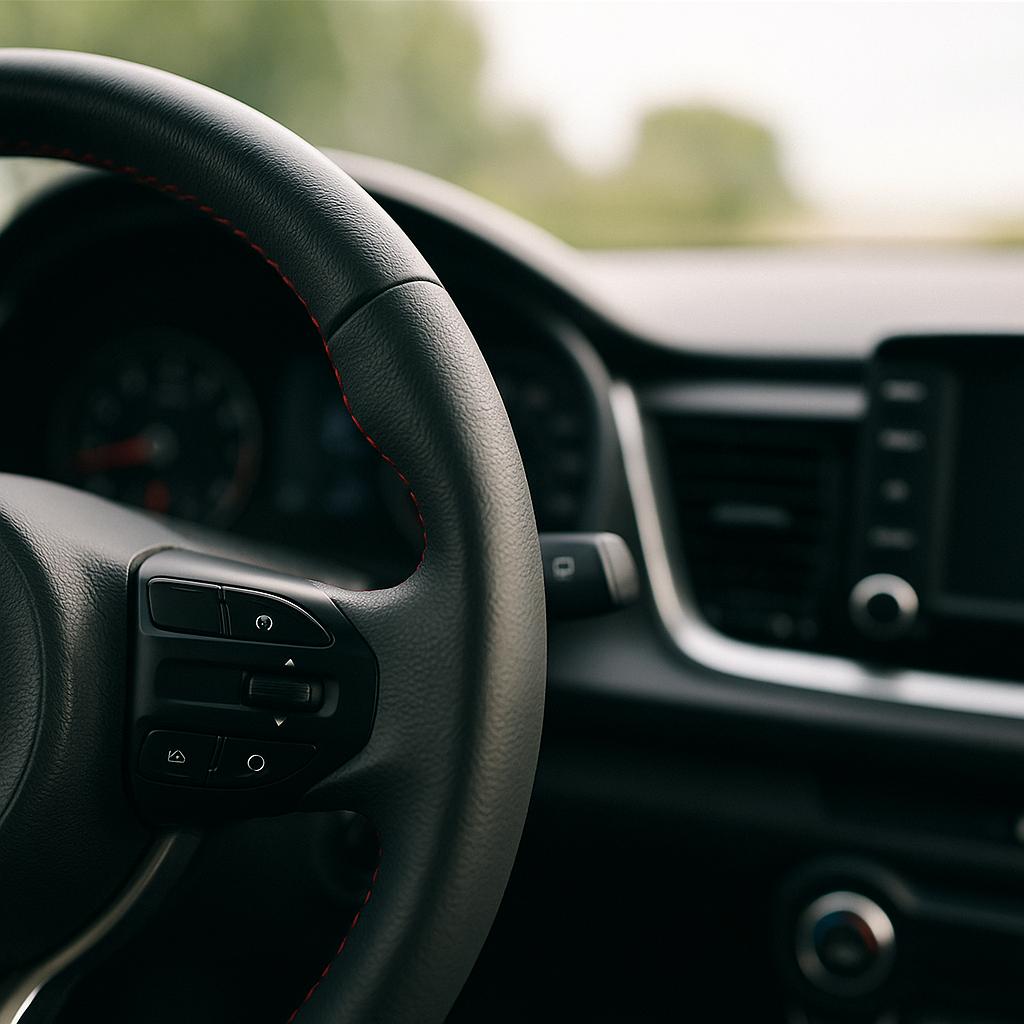
This is subjective, but a few principles hold broadly. Black on black is always safe and suits the widest range of interiors. Contrast stitching in red or blue is popular on hot hatches and performance cars, pairing well with cars that already have sports trim. Avoid covers with heavy branding, logos, or novelty finishes: they date quickly and undermine an otherwise clean interior. Carbon fibre print covers were everywhere a few years ago and already look tired on anything except a heavily modified car where the aesthetic is consistent throughout.
For drivers who prioritise a clean, OEM-plus look, the answer is almost always a plain black leather or black microfibre cover with subtle stitching. It reads as factory-fitted from a distance, which is exactly what most serious car enthusiasts are aiming for.
Top Picks for the Best Steering Wheel Covers UK 2026
Based on fit, feel, build quality, and value, these are the options worth shortlisting this year. The Wheelskins Eurostitch Leather Cover remains the top recommendation for everyday comfort and longevity. The Mewant Alcantara-Style Cover is the pick for performance feel and modified car interiors. For budget buyers, the KAFEEK Microfibre Cover offers genuine value at under £20, with consistent sizing and reasonable build quality. For cold-weather driving specifically, look at neoprene-backed options from smaller UK sellers on Amazon Marketplace: the additional thermal insulation on a frosty morning is genuinely appreciated.
The Highway Code’s vehicle maintenance guidance is clear that any modification to a vehicle must not compromise its safe operation. A properly fitted steering wheel cover that does not impede steering or reduce control is perfectly legal and falls within normal accessory use. If in doubt, check that the cover does not obstruct any buttons on the wheel hub.
Installation Tips Worth Knowing
Lace-on covers should be applied at room temperature on a clean, dry wheel. Warm the cover slightly with a hairdryer if the leather feels stiff: it will stretch and conform far more easily. For slip-on covers, use cable ties temporarily at the 12 o’clock and 6 o’clock positions while you work the cover around the rim, removing them once the cover is seated. Never apply a cover over a dirty or greasy wheel: the oils will transfer through and the cover will not bond correctly to the surface over time. A quick clean of the rim with an appropriate interior cleaner beforehand makes a genuine difference to how securely the cover sits.
Choosing the right cover takes about ten minutes of research but pays dividends every single time you drive. Measure carefully, spend sensibly on materials, and prioritise fit over flash.
Frequently Asked Questions
Are steering wheel covers legal to use in the UK?
Yes, steering wheel covers are legal in the UK provided they do not interfere with the safe operation of the vehicle. The cover must not slip during use, obstruct steering column buttons, or add excessive bulk that reduces driver control. A correctly sized, properly fitted cover raises no legal issues.
What size steering wheel cover do I need for my car?
Most UK cars have steering wheels measuring between 37cm and 40cm in diameter, with a rim grip section between 7cm and 9cm thick. Measure both dimensions before buying. Many manufacturers including Mewant and Wheelskins provide vehicle-specific sizing charts to help you get an exact match.
How long does a steering wheel cover last?
Genuine leather covers from reputable brands typically last three to five years with normal use. Microfibre and Alcantara-style covers wear slightly faster with heavy use, particularly if hands are frequently dirty or oily. Budget PU leather covers often begin to peel within 12 to 18 months, especially if the car is parked outdoors.
Can I use a steering wheel cover on a car with built-in steering wheel controls?
Slip-on covers that wrap around the outer rim of the wheel are generally safe to use with steering wheel controls, as the buttons are located on the central spokes rather than the rim. However, lace-on covers should be checked to ensure the lacing does not extend onto any control zone. Always test all controls after fitting.
What is the best material for a steering wheel cover in winter?
For cold-weather driving, neoprene-backed leather or microfibre covers offer the best thermal comfort, insulating the rim from the cold far better than bare leather or plastic. Heated steering wheel covers with a 12V plug connection are also available and popular with UK commuters during winter months.
Leave a Reply