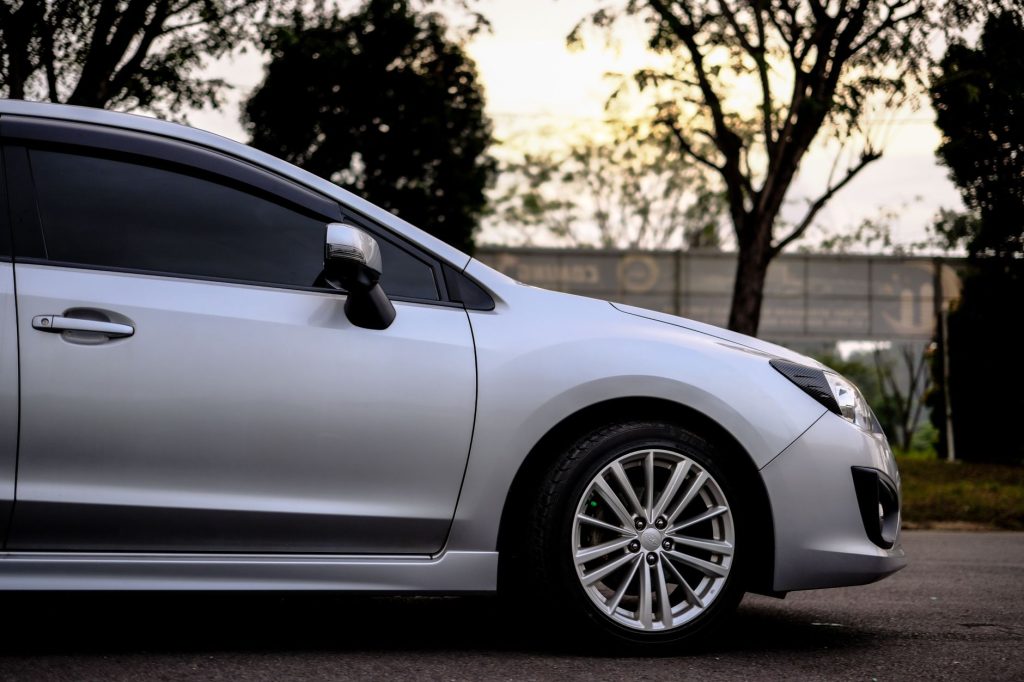
Window tinting has moved well beyond the blacked-out-BMW aesthetic of the early 2000s. These days there are two genuinely different technologies on the market, and they perform quite differently once you understand what separates them. Ceramic window tint UK installers are now fitting has become noticeably more popular in the last couple of years, and I get why, but the price jump over standard dyed film is real, and in Britain’s climate the maths does not always work out the way you’d expect.
Here’s a proper breakdown of both types: how they work, what UK law actually requires, and whether paying two or three times the price for ceramic is genuinely justified.
What is dyed window film and how does it work?
Dyed film is the original mass-market tint. A layer of dye is sandwiched between an adhesive layer and a protective scratch-resistant coating. It works primarily by absorbing solar energy rather than reflecting it. The absorbed heat then dissipates through the glass, which means some of it still ends up in the cabin, particularly on a warm day when the glass itself gets hot.
Dyed film is effective at reducing visible glare and giving you privacy. It is significantly less effective at reducing total heat load compared to higher-specification films. The dye also fades over time, particularly under sustained UV exposure. In the UK that sounds academic, but even at 52°N a south-facing windscreen on a clear day in June absorbs a serious amount of solar radiation. A bubbling or faded tint job after four or five years is almost always dyed film.
Cost for a full car in dyed film from a reputable UK installer typically runs between £100 and £250 depending on vehicle size and film brand.
What makes ceramic tint different?
Ceramic film uses nano-ceramic particles, non-conductive, non-metallic, embedded in the film layers. Instead of absorbing solar energy and radiating it inward, ceramic film reflects a much higher proportion of infrared radiation before it ever enters the cabin. The difference in heat rejection between a quality ceramic film and a standard dyed film is measurable and significant, typically 20 to 30 percentage points in total solar energy rejected.
A mid-spec dyed film might reject 45% of total solar energy. A quality ceramic equivalent at the same visible light transmission percentage can reject 70% or more. That is a real difference, not marketing fluff. Brands like Llumar CTX, Suntek Carbon, and 3M Ceramic IR are the names you’ll hear most from professional UK tinters.
Ceramic film also does not interfere with mobile signals, GPS, or dash cam wireless connectivity, something that cannot be said for metallic films, which can create interference issues. That matters more than ever given how much driver-assistance and connectivity tech modern cars rely on.
Price for a full car in quality ceramic from a UK installer typically starts around £300 and can reach £600 or more on larger vehicles or when premium brands are specified.

UK legal limits: what is actually allowed on front windows?
This is where a lot of people come unstuck. The UK’s legal visible light transmission (VLT) limits are set and enforced by the DVSA, and they are non-negotiable for road use. The rules are:
Front windscreen: must let through at least 75% of light. Front side windows: must let through at least 70% of light. There are no VLT restrictions on rear windows or the rear windscreen, provided the vehicle has working exterior rear-view mirrors on both sides.
Most factory-fitted glass already sits somewhere between 75% and 85% VLT. Apply even a very light 80% VLT film to that, and your front side windows could drop below the legal 70% threshold. This catches a lot of drivers out. A reputable installer will measure your existing glass VLT before recommending a film grade, and any decent one will refuse to fit an illegal front window tint regardless of what you ask for.
You can check the current vehicle approval guidance on gov.uk for further detail on how window tinting relates to type approval, but the 70%/75% figures are the numbers you need to know. A car with illegal front tints can fail its MOT, I’ve covered the most common MOT failure points in detail, and window tint is an increasingly common advisory.
Does ceramic tint actually justify the premium in a British climate?
Honestly, this is where my view might surprise you. The honest answer is: it depends on how you use the car.
If you commute daily in heavy traffic, spend time sitting in queues on an exposed A-road, or regularly drive in summer with kids or dogs in the back, ceramic tint makes a tangible difference to cabin comfort. The difference between 45% and 70% solar energy rejection is something you feel within minutes on a bright day. The cabin stays cooler, the air conditioning does less work, and the UV protection is meaningfully better, which matters for both your skin and your interior trim.
If you do lower mileage, mostly drive in the early morning or evening, or park in a covered car park, the case is weaker. Britain is not Spain. Our average July temperature in London barely clears 23°C, and in Manchester or Glasgow you’re looking at considerably less. The number of days per year where you’d genuinely feel the difference is lower than in southern Europe.
My take: for rear windows and the rear windscreen where legal VLT limits don’t apply, ceramic film is worth every penny. You can go darker, reject more heat, and the longevity over dyed film is not in question. For the front side windows where you’re constrained to very light grades anyway, the difference in heat rejection at high VLT grades is smaller, and dyed or carbon film is often a more sensible spend.
Carbon film: the middle ground worth knowing about
There’s a category between dyed and ceramic that deserves a mention: carbon film. It uses carbon particles rather than dye, which gives it better heat rejection than dyed film, no fading, and a cleaner matte finish. Heat rejection sits between dyed and full ceramic, typically around 55-65% total solar energy rejected. Price is also between the two, usually £180 to £350 for a full car.
For a lot of UK drivers, carbon film hits the sweet spot. Better performance than dyed, no signal interference, significantly longer life, and a price that doesn’t require serious justification.
Choosing an installer: what to look for
The film brand matters less than the installer’s skill. A badly fitted ceramic film will bubble, peel and gap at the edges within 18 months. A well-fitted dyed film will outlast it. Look for installers who are members of the British Coatings Federation or who can show you manufacturer certification for the specific film they’re using. Ask to see examples of their rear window work, it’s the most technically demanding part of the job, particularly on heated rear screens.
Expect a quality full-car job to take between three and six hours. Any installer quoting under two hours for a full car should be treated with scepticism. And do get a written guarantee on the film’s fade resistance and adhesion, most quality films carry five to ten year manufacturer warranties.
If you’re building out a more complete car setup alongside the tint job, it’s worth thinking about the rest of your specification at the same time. I’ve seen some good crossover between people specifying quality film alongside sourcing parts from suppliers like KMP Brand when they’re refreshing other components, there’s something to be said for doing several upgrades in one go rather than piecemeal over months.
For those also thinking about comfort on longer journeys, the thermal benefits of window film pair well with other cabin improvements. And if you’re planning any continental driving, check the legal tint rules for each country before you go, our guide to driving in France in 2026 touches on a few of the practical differences UK drivers need to know, and tint legality is one area where French and UK rules diverge.
Window tinting at any level is a worthwhile modification. It reduces glare, protects your interior, and improves privacy. Whether you go ceramic or dyed comes down to budget, how you use the car, and how long you plan to keep it. Go ceramic if you can stretch to it for the rear glass. Be realistic about the front windows, you’re legally constrained anyway, and the return diminishes at high VLT grades. And always use a certified installer with manufacturer-backed film. The £50 saving from a market-stall job is never, ever worth it.
Frequently Asked Questions
Is ceramic window tint legal on front windows in the UK?
Ceramic tint is legal on front side windows provided it allows at least 70% of visible light through, and at least 75% on the windscreen. The type of film (ceramic, dyed, or carbon) is irrelevant to legality, it’s the VLT percentage that matters. Always ask your installer to measure your existing glass before specifying a film grade.
How much does ceramic window tint cost for a car in the UK?
Expect to pay between £300 and £600 for a full car in quality ceramic film from a reputable UK installer, depending on vehicle size and the specific brand of film used. Rear-only ceramic tinting, often the most worthwhile upgrade, typically costs between £100 and £200.
Will window tint fail my MOT in the UK?
Yes, illegal window tint on front side windows or the windscreen is an MOT failure point. If your front side windows transmit less than 70% of light, the car will fail. Rear window tint is not tested under current MOT rules provided you have working door mirrors on both sides.
Leave a Reply