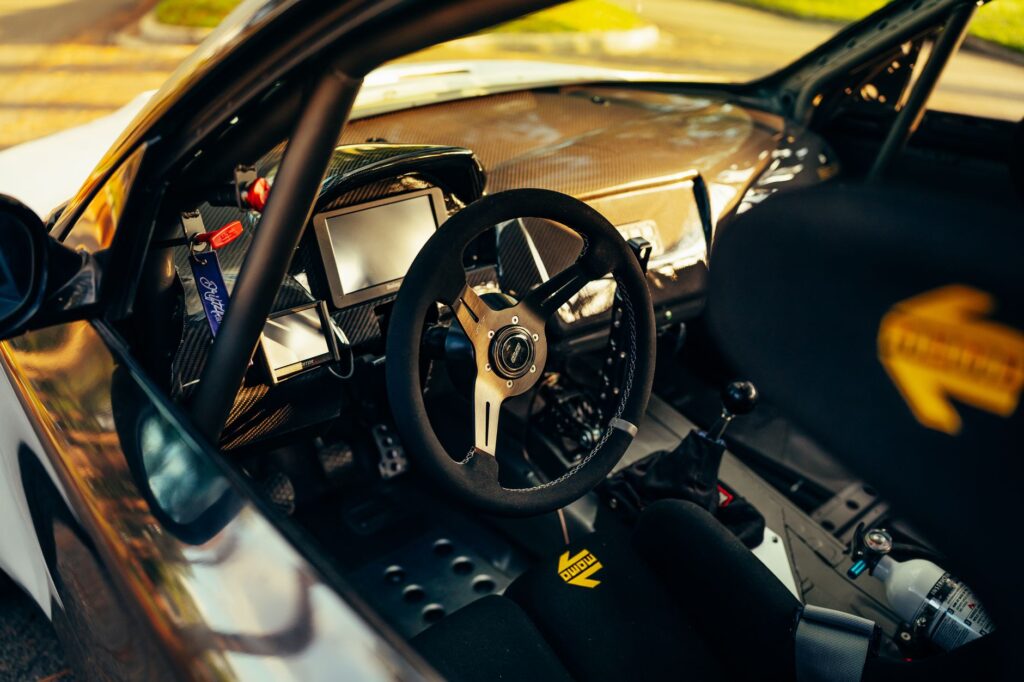
Sim racing has genuinely never been more accessible. Five years ago, a halfway-decent force feedback wheel cost serious money, and the pedal sets bundled with budget rigs felt like cheap toys. In 2026, that picture has changed considerably. Entry-level sim racing hardware in the UK has caught up fast, and you can put together a proper setup for under £300 if you know where to look and what actually matters. I’ve spent time testing several of these kits, and the quality gap between budget and mid-range has narrowed to the point where a beginner really doesn’t need to overspend to enjoy a convincing simulation of road or track driving.
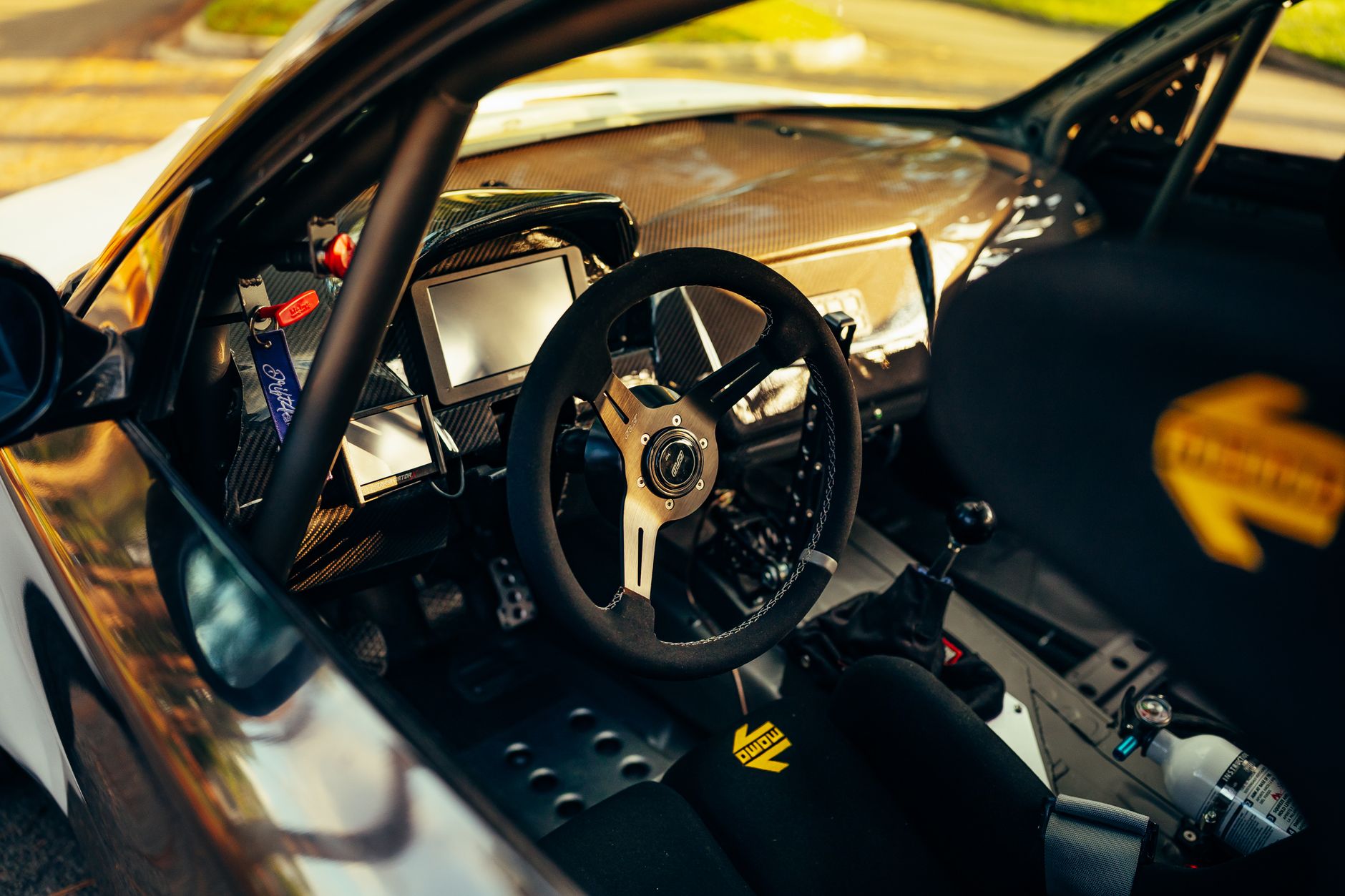
What to prioritise when buying entry-level sim racing hardware in the UK
Force feedback quality is the single most important spec on any sim racing wheel. It’s the motor inside the wheel base that communicates what the virtual tyres are doing. Belt-drive and gear-drive are the two mechanisms you’ll encounter at this price point. Belt-drive systems, found in wheels like the Thrustmaster T248 and the Logitech G923, are noticeably smoother and quieter than gear-driven alternatives. Gear-drive wheels are cheaper to manufacture, so they dominate the absolute entry tier, but the clunky, notchy feeling they produce can actually work against learning proper car control because it masks fine tyre feedback. If you can stretch to a belt-drive unit, do it.
Pedal feel is the second area people consistently underestimate. Most starter bundles include two-pedal sets with basic potentiometers and a light spring return that bears no resemblance to real brake pressure. The Logitech G923 changed things slightly with its brushed metal pedals, and the Thrustmaster T-LCM pedal set (available as an upgrade or bundle) introduced a proper load cell brake at an accessible price. A load cell measures how hard you press, not how far, which mirrors how real brake pedals work. It sounds like a small distinction; the difference in braking consistency during actual laps is enormous.
The best entry-level sim racing wheels under £300 in 2026
The Logitech G923 remains the benchmark starter kit at around £229 to £259 retail, depending on whether you’re buying for PC, PS5 or Xbox. Its TRUEFORCE system communicates high-frequency road surface detail directly from the game engine, and the leather-wrapped wheel feels solid. I’d say the force feedback isn’t the most powerful at this price, but it’s smooth enough to feel genuinely useful. Compatible with virtually every rig on the market, it’s the safe choice if you’re unsure which direction your setup will grow.
The Thrustmaster T248 sits at roughly £249 and is my personal pick for most beginners. The hybrid drive system (a mix of gear and belt) is a step above pure gear-drive, and the magnetic paddle shifters are excellent. The T248 also includes a screen on the wheel face that displays gear, RPM and lap delta, which is genuinely useful. Thrustmaster’s ecosystem in the UK is strong, meaning upgrade paths through better pedals and add-on wheels are straightforward.
For those who truly want to keep costs minimal, the Thrustmaster TMX or T150 can sometimes be found under £120, and both use a belt-assisted system. I wouldn’t call them refined, but for someone who simply wants to try sim racing before committing more budget, they’re reasonable starting points. Just expect to upgrade the pedals quickly.
Rig compatibility: do you need a dedicated racing rig?
You don’t, but your enjoyment increases significantly if you at least clamp your wheel to a sturdy desk. All the wheels above ship with desk clamps, and they work fine on a solid table. The problem with desk setups is pedal stability: push too hard on a brake load cell and your pedals slide across the floor. A folded yoga mat underneath helps more than you’d think.
Dedicated cockpit rigs from brands like Next Level Racing and Playseat start at around £150 to £200 for the most basic frames, which does push you close to the overall £300 budget if combined with a starter wheel. At that point I’d prioritise the wheel and pedals, accept the desk setup, and add a rig later. The structural improvement a rig offers becomes much more relevant once you’ve upgraded to a direct drive wheel anyway.
It’s worth mentioning that if you’re already thinking about things like how your real car’s controls feel, there’s a useful parallel here. Just as proper seat cushions and lumbar support change your relationship with a long motorway drive, the ergonomics of your sim rig position directly affect your lap times and comfort during longer sessions. Height, angle and reach all matter.
Which simulation titles best replicate real road and track driving?
This is where personal preference and hardware interact. Some titles are optimised to deliver meaningful force feedback through budget wheels; others demand more fidelity to feel right.
Assetto Corsa (the original, not Competizione) remains the gold standard for replicating real road cars and real-world circuits. You can drive a Ford Focus on the Nordschleife or an Abarth 595 through Italian mountain roads. The physics modelling of tyre behaviour, weight transfer and kerb strikes is genuinely exceptional, and it works well even through a Logitech G923. On PC, the mod community keeps it endlessly updated; the base game and DLC packs rarely exceed £30 on Steam. For entry-level sim racing hardware in the UK, this is still the title I recommend first.
Gran Turismo 7 is the go-to on PlayStation and rewards a G923 or T248 well. Its career structure teaches car fundamentals gradually, and the licence tests are arguably the best driver education tool in any simulation title. The force feedback representation of understeer onset is particularly accurate.
iRacing is a subscription service at roughly £9 per month plus content costs, and it’s the most technically accurate circuit simulation available. I’d hold off until you’ve built some comfort with your hardware, because iRacing’s learning curve is steep and its tyre model demands precision braking that highlights poor pedal feel immediately.
Dirt Rally 2.0 is worth a mention for anyone interested in the feel of road driving rather than circuits. Rally stages on loose surfaces test steering inputs and weight transfer in ways that closed-circuit racing doesn’t. It pairs brilliantly with any of the wheels above, and it regularly drops to under £5 on sale.
Practical tips before you buy
Check compatibility carefully. Thrustmaster wheels bought for PlayStation won’t work on Xbox and vice versa, though PC compatibility is nearly universal across all brands. The Consumer Rights Act 2015 gives you 30 days to return goods that don’t perform as described, so if a wheel feels wrong from the first session, you have recourse.
Budget for cables and space. These setups need a free HDMI output for a monitor, USB ports, and enough desk or floor space that you’re not fighting for room. A cluttered setup kills immersion fast.
Online communities like the r/simracing subreddit and the Sim Racing community on Discord (both active and UK-heavy) are good places to ask specific questions before committing. And if you want to promote your sim racing content, tools like Banner Ads can help you reach a targeted audience once you’ve got footage worth sharing.
If you’re coming to sim racing from real driving experience, you’ll probably find that realistic titles confirm things you already know instinctively. Trail braking into a late apex, feeling the wheel go light at the front under heavy braking, the way a rear-wheel drive car pivots differently to a front-wheel drive one: good entry-level sim racing hardware in the UK reproduces all of it accurately enough to be genuinely instructive. It’s a worthwhile hobby even before you factor in that it’s a fraction of the cost of a single track day.
And speaking of track days, if you’re curious how sim preparation actually helps on a real circuit, our track day tips for beginners covers everything you need before turning your first real lap. The two disciplines complement each other more than most people expect.
Leave a Reply