If you daily a modified car or run anything remotely desirable, fitting a GSM car tracker is no longer optional. Theft techniques have moved on, and so have tracking systems. The trick is integrating one properly so you get robust security without electrical gremlins or a messy interior.
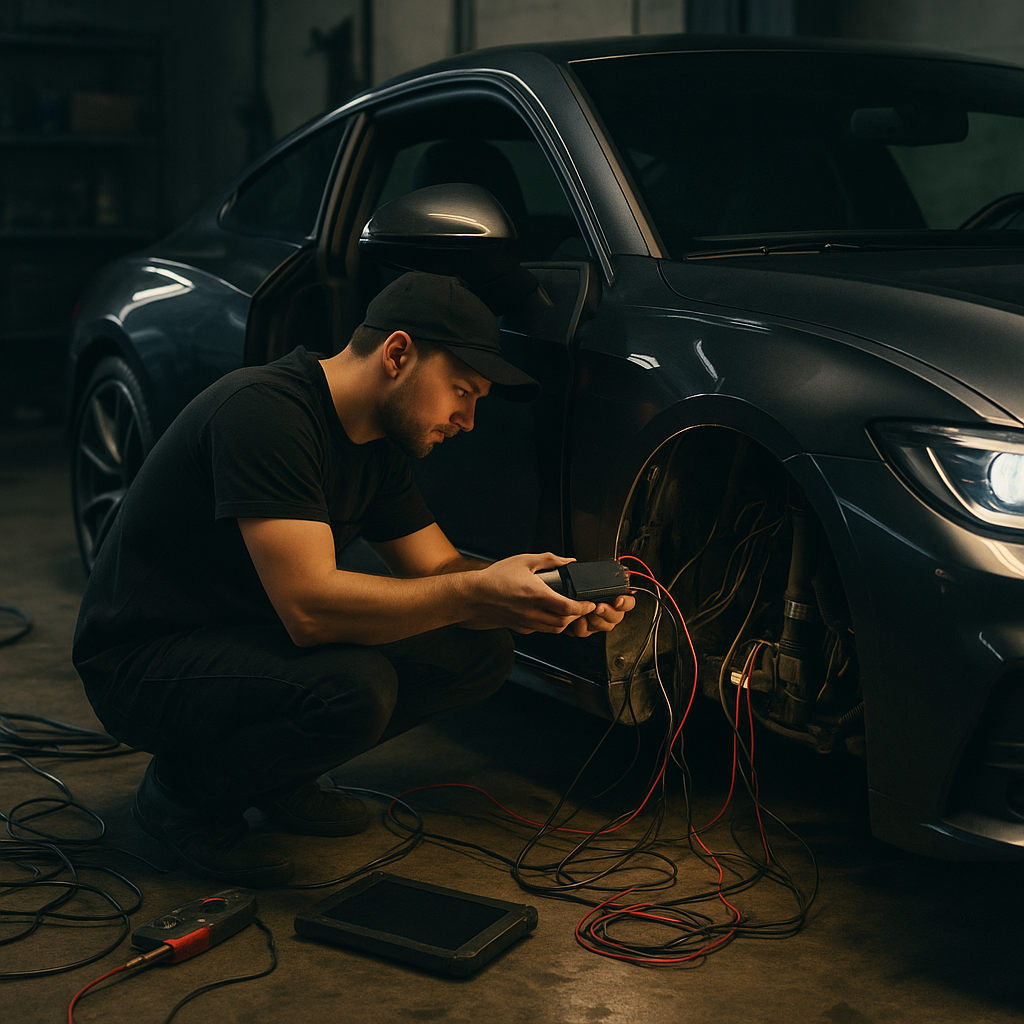
What is a GSM car tracker and how does it work?
A GSM car tracker is a small device that uses GPS to determine the vehicle position and a GSM mobile network to transmit that data to an app or monitoring centre. Most units combine three key modules: a GPS receiver, a GSM modem with SIM, and a power management circuit that lets the tracker sit in low-draw standby then wake when movement or ignition is detected.
Higher end systems add an internal battery, accelerometers for impact and tow detection, immobiliser relays and CAN-bus interfaces that can read or block certain signals. From a wiring perspective, almost all require a permanent 12 V feed, a solid ground and ideally an ignition sense line so the device knows when the car is running.
Choosing the right GSM car tracker for your use case
Before you buy, be clear what you actually need from a GSM car tracker. A show car that lives in a garage needs different functionality to a daily that spends nights on the street.
Key choices to make:
- Monitored vs self-monitored: Monitored systems connect to a control room that can liaise with police. Self-monitored units push alerts to your phone and rely on you to react.
- Power draw: If the car often sits for weeks, you need ultra low standby current and preferably a sleep mode that does not hammer the battery.
- Installation style: Hardwired systems are more secure and reliable than plug-in OBD trackers, which are usually the first thing a thief will pull.
- Integration level: Some trackers are standalone, others integrate with immobilisers, alarms and even data logging for track cars.
Also check GSM network coverage where you live and travel. A tracker is useless if it cannot get a reliable signal when the car is moved.
Installation best practice for a GSM car tracker
Good installation is what separates a useful theft deterrent from an annoying parasitic drain. If you are not fully comfortable with automotive electrics, pay a professional – especially on modern CAN-heavy cars.
Key points to get right:
- Power and ground: Take a fused permanent 12 V feed from a reliable distribution point, not piggy-backed off some random accessory. Ground to a known good chassis earth, cleaned and tightened properly.
- Ignition sense: Use a stable ignition feed that is live only with the key on. Avoid circuits that drop out during cranking unless the manufacturer specifies otherwise.
- Current draw check: After installation, measure parasitic draw with an ammeter once the car has gone to sleep. Compare to the manufacturer spec so you know the tracker is not flattening the battery.
- Fuse protection: Always fuse as close to the power take-off as possible, sized for the cable and device.
On CAN-bus equipped cars, be extremely cautious about cutting factory wiring. Use approved T-connectors where required and follow the wiring diagrams to the letter.
Discreet mounting and antenna placement
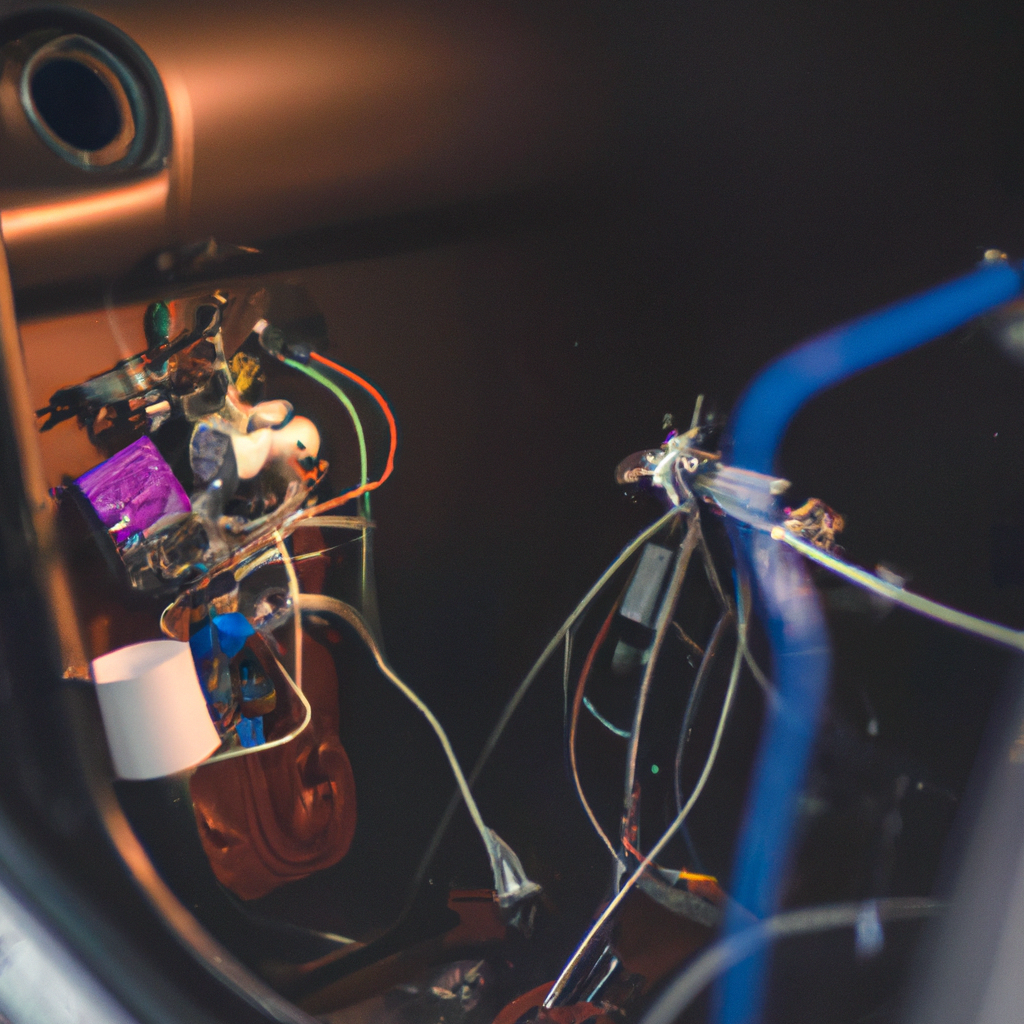
Security depends on how hard it is to find and disable the tracker. Mount the main unit away from obvious locations like under the steering column or directly behind the OBD port. Aim for somewhere dry, solidly fixed and not subject to heavy vibration or heat.
GPS and GSM antennas need a clear path to the sky and cell towers, so avoid heavy metal shielding. Under-dash plastics, A-pillars and parcel shelves often work well. Test signal strength in your chosen location before buttoning everything back up.
If you are serious about security, consider a dual-install strategy: one visible deterrent device and one deeply hidden primary tracker that a thief will not expect.
Integrating tracking with immobilisers and alarms
Many modern trackers can drive an immobiliser relay or talk to an aftermarket alarm over a data line. Done properly, this lets you cut fuel, ignition or starter circuits remotely or on specific triggers such as unauthorised movement.

GSM car tracker FAQs
Can a GSM car tracker drain my battery?
Any electronic device on a permanent live feed will draw some current, but a quality GSM car tracker is designed to sit in a low power sleep mode most of the time. After installation you should measure total parasitic draw once the car has gone to sleep and compare it to the manufacturer specification. If the figure is significantly higher than expected, recheck wiring and settings, and consider enabling deeper sleep modes if available. On cars that sit for weeks at a time, a maintenance charger is still good practice.
Is a plug-in OBD GSM car tracker worth fitting?
Plug-in OBD trackers are quick to install and can provide basic location and usage data, but from a security standpoint they are weak. Thieves know to look for anything attached to the OBD port and can remove it in seconds. For serious theft protection, a hardwired GSM car tracker hidden away from obvious access points is far more effective, ideally combined with other layers such as an alarm, steering lock and immobiliser.
Where is the best place to hide a GSM car tracker?
There is no single perfect location because it depends on the vehicle layout, but the ideal spot is dry, structurally secure, away from obvious access panels and still able to give the GPS and GSM antennas a clear enough signal path. Under-dash areas behind non-structural plastics, inside interior panels, or in parts of the boot trim can work well. Avoid crumple zones, high heat areas and locations that require cutting into critical factory looms.
Leave a Reply