Dash cams have gone from a niche gadget to a genuine must-have for British motorists. Insurance premiums are brutal, roads are busier than ever, and if something goes wrong out there, footage is the difference between a quick claim settlement and a drawn-out dispute. The technology has moved fast too. The best dash cams UK 2026 has to offer are recording in crisp 4K, flagging incidents with AI-powered alerts, and syncing wirelessly to your phone before you’ve even pulled out of the car park. Knowing which features actually matter versus which are marketing fluff is where most buyers get stuck.
Why Dash Cam Technology Has Moved on So Fast
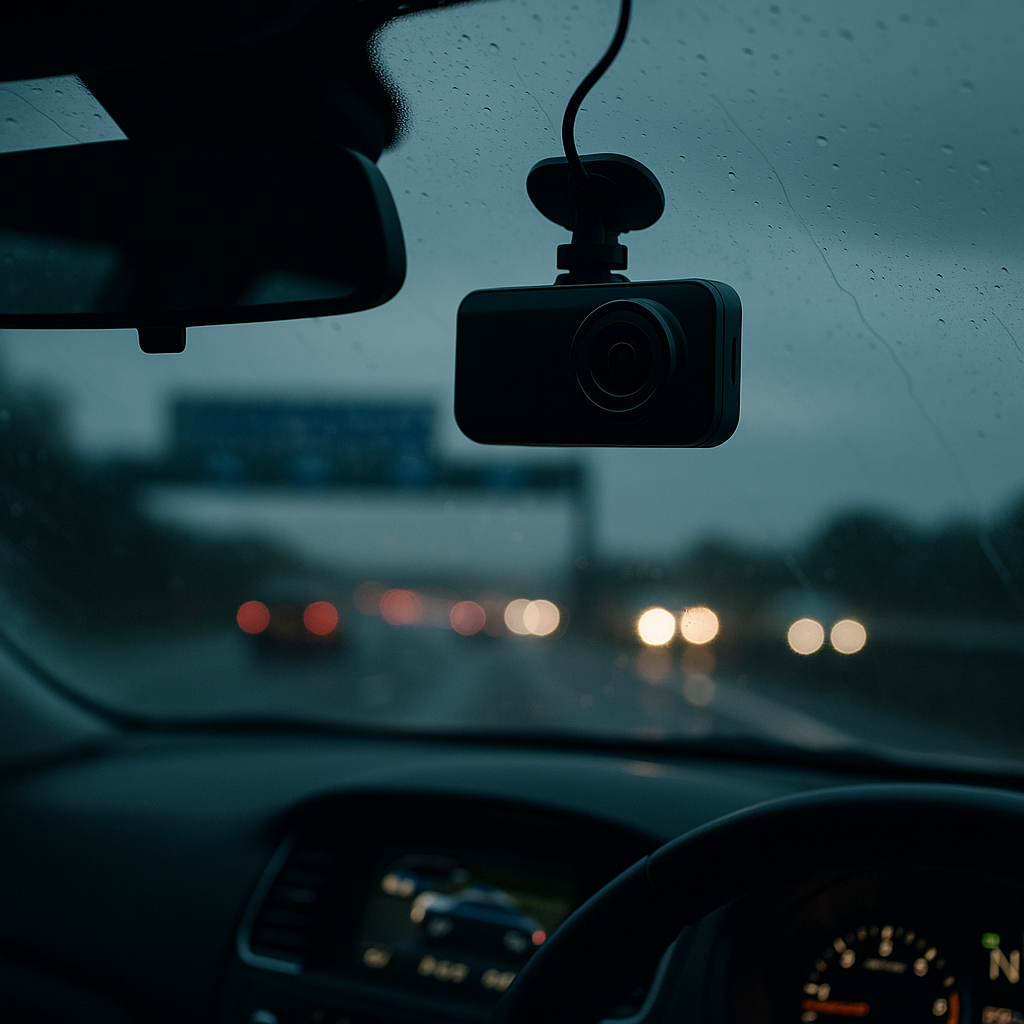
A few years back, a decent 1080p front-facing camera was considered more than adequate. That’s no longer the case. The combination of higher resolution sensors, improved low-light processing, and on-device AI has pushed the ceiling considerably. Modern units can now read number plates clearly at 30 mph even in wet evening conditions, which is the scenario you actually need the footage for. Alongside resolution improvements, cloud connectivity has become near-standard on mid-range and premium models. Some units upload clips automatically over 4G, meaning your footage survives even if the camera is stolen or damaged in the incident itself.
The surge in AI driver assistance technology has filtered down from OEM vehicle systems into aftermarket cameras. Forward collision warnings, lane departure alerts, and even driver fatigue monitoring are now features you’ll find on consumer-grade units costing under £150. That’s a meaningful step forward.
Key Features to Look For in 2026
Resolution: 4K vs 2.5K vs 1080p
4K recording is the headline spec most manufacturers lead with, but it comes with caveats. Higher resolution means larger file sizes, which eat through SD cards faster and can cause older cards to fail under continuous write cycles. The sweet spot for most UK drivers is 2.5K (2560×1440). You get noticeably sharper number plate capture than 1080p without hammering storage. That said, if you’re doing motorway miles regularly and want the clearest possible footage, proper 4K units from brands like Viofo, Nextbase, and Vantrue genuinely earn their premium.
Front and Rear Coverage
A front-only camera leaves you exposed for rear-end collisions, which account for a significant chunk of UK insurance claims. A dual-channel setup, front plus rear, is the configuration I’d recommend to anyone starting from scratch. Hardwiring both channels gives you clean routing and keeps the 12V socket free. Some setups now include a cabin-facing channel as well, useful for taxi and private hire drivers who need to protect themselves from passenger complaints.
Parking Mode and Hardwire Kits
Parking mode is genuinely useful if you park on-street or in public car parks regularly. The camera sits dormant, then triggers on motion or impact. To use it properly, you need a hardwire kit that draws a low current from the vehicle’s fuse box rather than draining your 12V socket. Most reputable brands sell hardwire kits as a separate accessory for £15 to £30. It’s worth the outlay. Without it, parking mode either drains a portable battery pack in a few hours or simply doesn’t function.
AI Alerts and Driver Assistance
AI-driven features vary wildly in quality across different brands. Forward collision warnings on budget units can be twitchy and trigger unnecessarily in slow-moving traffic, which gets annoying fast. On better units, the algorithms are calibrated properly and actually provide useful prompts without crying wolf. If you commute in busy urban traffic, look for user reviews that specifically comment on false positive rates before buying.
GPS Logging
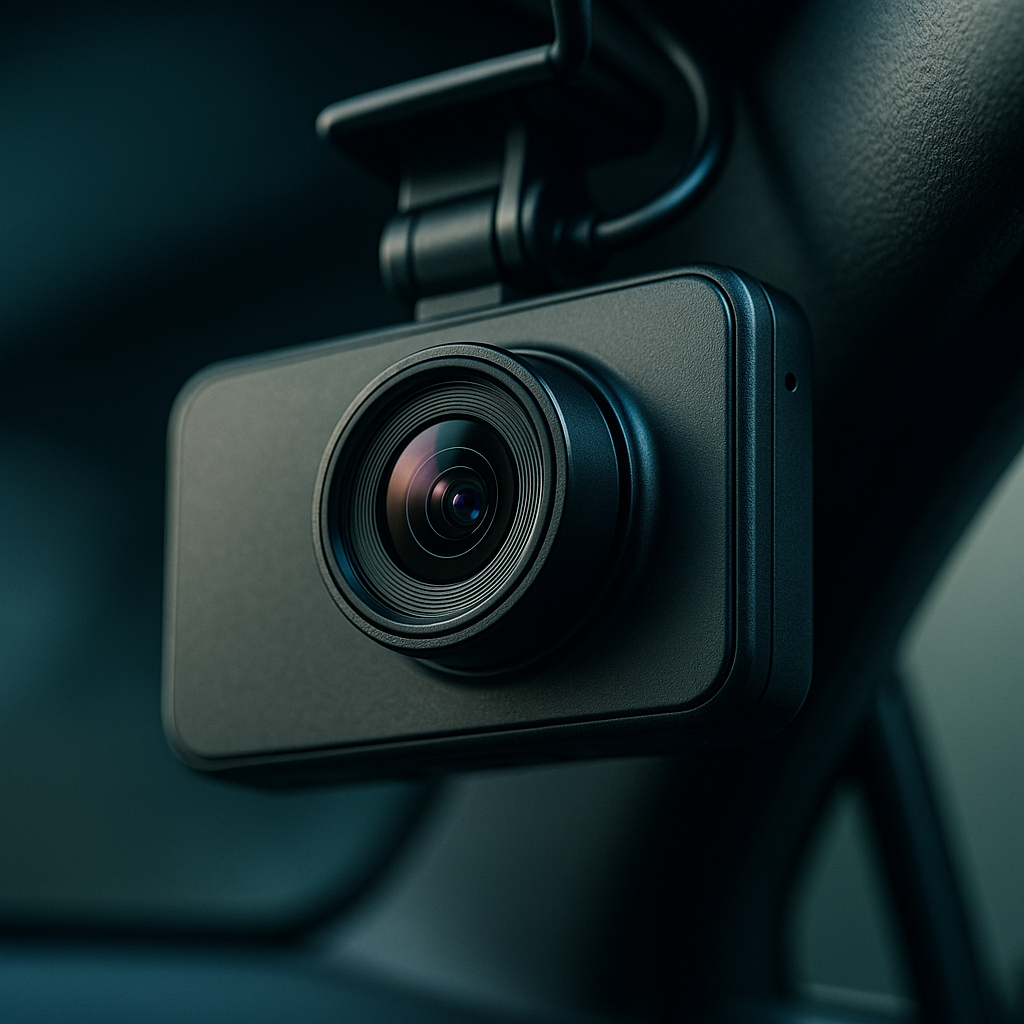
Built-in GPS is worth having. It stamps your location, speed, and direction onto each clip, which strengthens the evidential value considerably. Some insurance providers, including those working with the RAC and AA, specifically cite GPS-verified dash cam footage as accelerating claim resolution. Speed data is a double-edged consideration though: it’s visible to all parties if footage is shared, so drive sensibly regardless.
Top Dash Cam Picks for UK Motorists in 2026
Nextbase 622GW
Nextbase is a British company and remains one of the most trusted names in the UK market. The 622GW records in 4K, has built-in what3words emergency location technology, Alexa voice control, and a magnetic mount that makes removal and reinstallation genuinely quick. It’s priced around £200, which puts it in the premium bracket, but the feature set justifies it for high-mileage drivers. The Nextbase ecosystem, including the MyNextbase app, is polished and works reliably.
Viofo A139 Pro 3-Channel
Viofo has built a strong following among enthusiasts who want serious hardware without paying for brand premium. The A139 Pro in its three-channel configuration covers front, rear, and cabin simultaneously. 4K front recording, Sony STARVIS 2 sensor for night performance, and a competitive street price around £160 to £180 depending on the retailer. Setup is slightly more involved than Nextbase, but the footage quality is hard to fault.
Garmin Dash Cam Mini 3
For drivers who want minimal visual intrusion, the Garmin Mini 3 is tiny, competent, and connects to the Garmin Drive app without fuss. It records in 1080p, which is a step down from the units above, but the compression is efficient and number plate legibility is reasonable in good light. At around £80, it’s a sensible entry point for someone who just wants basic protection sorted.
Vantrue E1 Lite
Vantrue’s E1 Lite offers 2.5K front recording with strong night performance at a price point that undercuts most of the competition, typically around £90 to £110. It lacks some of the AI features of pricier units but the core job, clear reliable footage, it does well. A solid mid-range pick for daily commuters.
Installation Tips Worth Knowing
Positioning matters more than most buyers realise. Mount behind the rear-view mirror to minimise driver distraction and keep the unit within the legal wipe zone of the windscreen. Under the Road Vehicles (Construction and Use) Regulations, you must not obstruct the driver’s view, so placement is not just a preference, it’s a legal consideration. Use cable tuck tools to run the wire along the A-pillar and headliner rather than draping it across the dashboard. It takes an extra twenty minutes and looks infinitely cleaner.
SD card choice also matters. Use a card rated for high-endurance or continuous write cycles, specifically cards marketed for dash cam use such as the SanDisk High Endurance or Samsung PRO Endurance ranges. Standard cards wear out faster under constant overwrite cycles and are a common cause of recording failures. Format the card in the camera rather than on a computer, and reformat it every few months to keep write performance consistent.
Are Dash Cams Worth the Money?
Short answer: yes, for most UK drivers in 2026. The Association of British Insurers notes that fraudulent whiplash and staged collision claims remain a persistent problem on British roads. Having verifiable footage shifts the balance firmly in your favour. Several UK insurers now offer a discount of 5 to 12 per cent on comprehensive premiums for verified dash cam fitment, which can offset the purchase cost within a year or two on a typical policy. Beyond insurance, there’s a broader sense of confidence that comes from knowing the camera is running. You drive more calmly, and you’re protected if someone else doesn’t.
The best dash cams UK 2026 are genuinely impressive pieces of kit. Whether you go for a feature-packed Nextbase, an enthusiast-favourite Viofo, or a compact Garmin, the fundamentals are the same: buy something with at least 2.5K resolution, pair it with a quality SD card, and get it hardwired properly. Do that, and you’ve got one of the most practical upgrades available to any motorist right now.
Frequently Asked Questions
Do I legally need a dash cam in the UK?
There is no legal requirement to fit a dash cam in the UK. However, the footage they capture is legally admissible as evidence in insurance disputes and court proceedings, which is the primary reason most drivers choose to install one.
Will a dash cam reduce my car insurance premium?
Some UK insurers offer discounts of between 5 and 12 per cent for verified dash cam fitment, though not all providers offer this. It’s worth contacting your insurer directly to check their policy before purchasing.
What SD card should I use with a dash cam?
You should use a high-endurance or continuous-write rated card specifically designed for dash cam use, such as the SanDisk High Endurance or Samsung PRO Endurance. Standard cards wear out faster under the constant overwrite cycles that dash cams require.
Is 4K really necessary in a dash cam?
4K offers the clearest footage for reading number plates and capturing fine detail, but 2.5K is the sweet spot for most drivers, balancing image quality with more manageable file sizes. 1080p is adequate for basic protection on a tight budget.
How does parking mode work on a dash cam?
Parking mode keeps the camera in a low-power standby state and activates recording when it detects motion or an impact near the vehicle. To use it without draining your battery, you need a hardwire kit connected to a switched or constant fuse in your vehicle’s fuse box.
Leave a Reply