There is nothing quite like your first track day. The smell of hot brakes, the noise bouncing off pit lane walls, the moment you finally get to push a car properly without a speed camera in sight. It is genuinely one of the best experiences available to any UK driver, and the barrier to entry is lower than most people assume. But going in unprepared can make the day stressful, expensive, or in the worst case, dangerous. These track day tips for beginners UK drivers need will help you arrive confident, keep your car in one piece, and actually enjoy every session.

Choosing Your First Track Day Venue
Britain is spoilt for choice when it comes to circuits. Brands Hatch, Donington Park, Bedford Autodrome, Anglesey Circuit, Castle Combe and Silverstone all offer dedicated beginner or novice track days throughout the year. For a first-time experience, Bedford Autodrome and Donington Park are frequently recommended because their layouts are forgiving and the run-off areas are generous. Silverstone is a dream, but its sheer scale can overwhelm someone who has never driven on a circuit before.
Book through an organiser rather than direct where possible. Companies like Javelin Trackdays, TrackTime and Bookatrack aggregate events across multiple venues and often include technical support or briefing sessions in the entry fee. Prices typically range from £130 to £350 depending on venue, session length and the number of cars on circuit. Half-day sessions suit beginners better than full days; fatigue sets in quickly and tired drivers make costly mistakes.
Car Preparation: The Non-Negotiables
Your road car is almost certainly fine for a beginner session. You do not need a stripped-out race car. What you do need is a car that is mechanically sound, because a circuit will expose every weakness your vehicle has been hiding since its last MOT.
Brakes
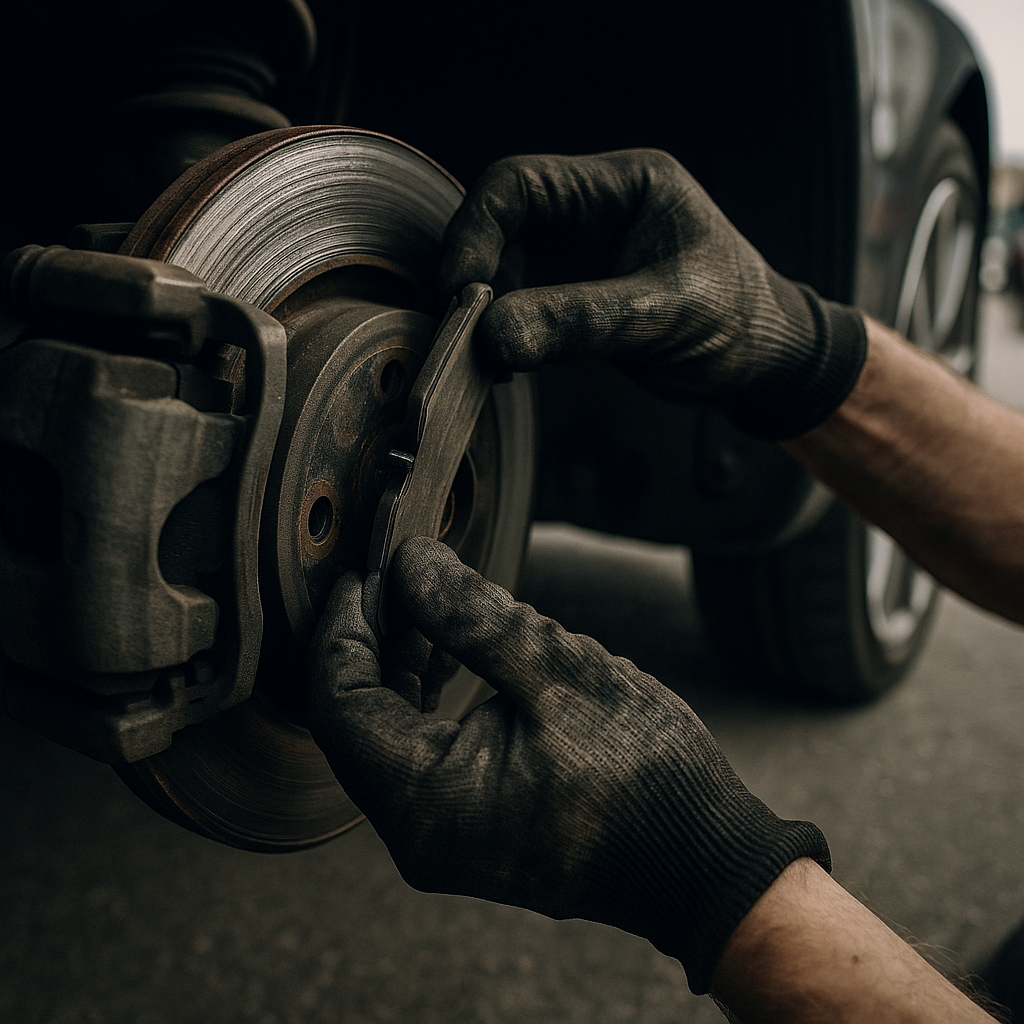
This is the single most critical system. You will use your brakes harder and more frequently than any road driving experience will have prepared you for. Check pad thickness before the day. If they are below 4mm, replace them. Brake fluid absorbs moisture over time and under sustained heat it can boil, causing a spongy pedal or complete fade. Many experienced track drivers swap standard fluid for something with a higher boiling point, such as Motul RBF 660 or ATE Type 200. It is not expensive and it is genuinely worth doing. Check the GOV.UK vehicle standards guidance if you are unsure about any modifications you plan to make before the event.
Tyres
Check pressures carefully. Most circuits recommend slightly higher pressures than road use to account for heat build-up, but your vehicle handbook and the event organiser briefing will give specific guidance. More importantly, check tread depth and sidewall condition. A tyre with uneven wear or visible cracking will not survive sustained circuit use. Budget for the possibility that you may come home on worn rubber; it happens on a first day if you push hard.
Fluids and Fasteners
Top up engine oil, coolant and washer fluid. Check for any leaks, because dropped fluid is a track-wide hazard and will get you black-flagged immediately. Walk around the car and check wheel nuts are torqued correctly. Remove any loose items from the interior, including floor mats if they are not fully secured. A floor mat jamming under the brake pedal at 100mph is not a hypothetical risk.
What to Bring on the Day
Even a well-organised track day involves a lot of standing around in British weather. Pack accordingly. A compact folding chair and a waterproof jacket will see more use than you might expect. Beyond comfort, there are practical essentials:
- Helmet: Most organisers hire these out but bringing your own is far better. A Snell SA2020 or FIA-rated lid is ideal, though many beginner events accept MSA-spec open-face helmets. Check the event requirements in advance.
- Driving gloves: Optional but genuinely useful. Grip and feel improve, and blisters from a long day at the wheel are real.
- Torque wrench and basic toolkit: Wheel nuts need checking between sessions. A 10-minute check is standard practice in any pit lane.
- Spare brake fluid and engine oil: You may not need them, but you will be grateful if you do.
- Water and food: Circuit catering varies wildly. Do not rely on it. Hydration matters more than you think when you are concentrating hard for repeated 20-minute sessions.
- Gaffer tape: Cover the front number plate, any plastic trim that could vibrate loose, and headlight surrounds if the event requires it. Many organisers insist on taped lights as standard.
Understanding the Safety Rules and Track Etiquette
One of the biggest misconceptions about track days is that they are racing. They are not. Overtaking another car, on most beginner events, is only permitted on a straight and only when the car in front signals you through by lifting a hand or pointing. Attempting to pass in a braking zone or a corner is grounds for immediate exclusion. Respect that, because the person in front of you might be doing their very first lap ever.
Flag signals are compulsory knowledge before you leave the pit lane. A yellow flag means hazard ahead, slow down, no overtaking. A red flag means stop immediately and return to pit lane at a safe speed. A black flag with your number displayed means you specifically need to return to the pits. Marshals are positioned around the circuit and their instructions are absolute. Ignore them at your peril and everyone else’s.
Noise limits apply at most UK circuits. Check the permitted decibel level for the venue, usually measured at a specific distance from the exhaust. Failing a noise check means sitting out sessions, which is deeply frustrating after paying for the day.
Getting the Most From Your Sessions
Your first few laps should be slow. Deliberately, consciously slow. Learn where the braking markers are, where the track widens, where the grip drops near the edge of the circuit. The instinct is to go fast immediately; resist it. Almost every experienced track driver will tell you the same thing: smooth is fast. A ragged, over-driven lap is both slower and harder on the car than a composed, progressive one.
Many circuits offer instructor sessions for beginners, sometimes included in the day price. Take one. Even a single lap with a qualified instructor in the passenger seat will teach you more than twenty laps alone. They will show you reference points, braking zones and turn-in lines that would take you months to find independently.
These track day tips for beginners UK newbies often overlook come down to mindset as much as mechanics. Go to learn, not to impress. Leave a margin. And check that car over between every session without fail.
After the Day: What to Check Before Driving Home
Do not just pack up and leave. Spend twenty minutes in the car park doing a proper post-session check. Wheel nuts first, always. Then brakes. Touch the wheel with the back of your hand near the calliper; if it is still hot after ten minutes, let it cool before driving. Check tyre sidewalls for any visible damage or unusual bulging. Check oil level again. If your brake pedal feels softer than it did in the morning, do not drive home until you have bled the system or had it inspected.
Track day tips for beginners UK guides often focus on the session itself, but the drive home is when problems surface. A car that has been worked hard needs a gentle cool-down and a proper inspection. Give it that respect and it will reward you with many more days like this one.
Frequently Asked Questions
Do I need a special car for a track day in the UK?
No, most standard road cars are perfectly suitable for beginner track days. The key requirement is that the car is mechanically sound, with good brakes, legal tyres and no fluid leaks. Exotic or modified machinery is not necessary for your first session.
How much does a track day cost in the UK?
Entry fees typically range from £130 to £350 depending on the circuit, the organiser and the length of the session. Half-day beginner events at circuits like Donington Park or Bedford Autodrome are often at the lower end of that range and are ideal for first-timers.
Do I need a helmet for a UK track day?
Yes, a helmet is mandatory at all UK track days. Most organisers will hire one on the day, but bringing your own Snell SA2020 or FIA-rated lid is strongly recommended for both fit and hygiene. Always check the specific helmet standard required by your event organiser in advance.
Is my standard car insurance valid on a track day?
No. Standard road car insurance is almost universally void on a closed circuit. You will need specialist track day insurance, which can be purchased as a day policy from providers such as Adrian Flux or Reis. Check your existing policy documents carefully and arrange cover before the event.
What is the most common mistake beginners make on a track day?
Going too fast too soon is by far the most common error. Arriving without checking brakes and tyre condition is a close second. The best approach is to spend the first session learning the circuit layout at a comfortable pace before gradually building speed over subsequent sessions.
Leave a Reply