If your engine warning light has ever lit up on the dashboard and left you second-guessing whether to drive or pull over, an OBD2 scanner could be one of the most practical tools you add to your kit. Whether you are a weekend mechanic, a track day enthusiast or simply someone who wants to stay on top of their car’s health, understanding these devices can save you real money and a lot of frustration.
What Is an OBD2 Scanner and How Does It Work?
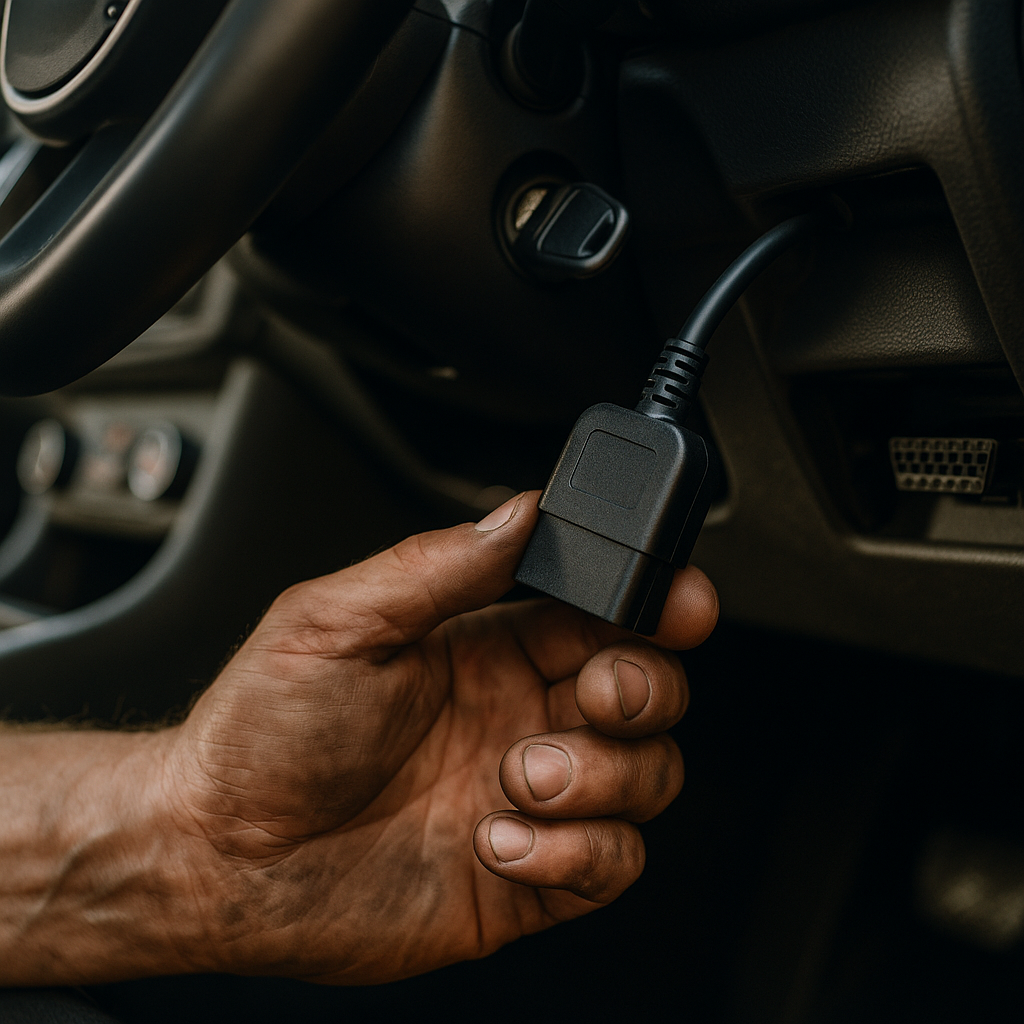
OBD2 stands for On-Board Diagnostics, second generation. Since 2001 for petrol cars and 2004 for diesels in the UK, every road car has been legally required to feature a standardised OBD2 port – typically found beneath the steering column. A compatible scanner plugs into this port and communicates directly with the car’s engine control unit and other modules, pulling fault codes, sensor readings and system status data in real time.
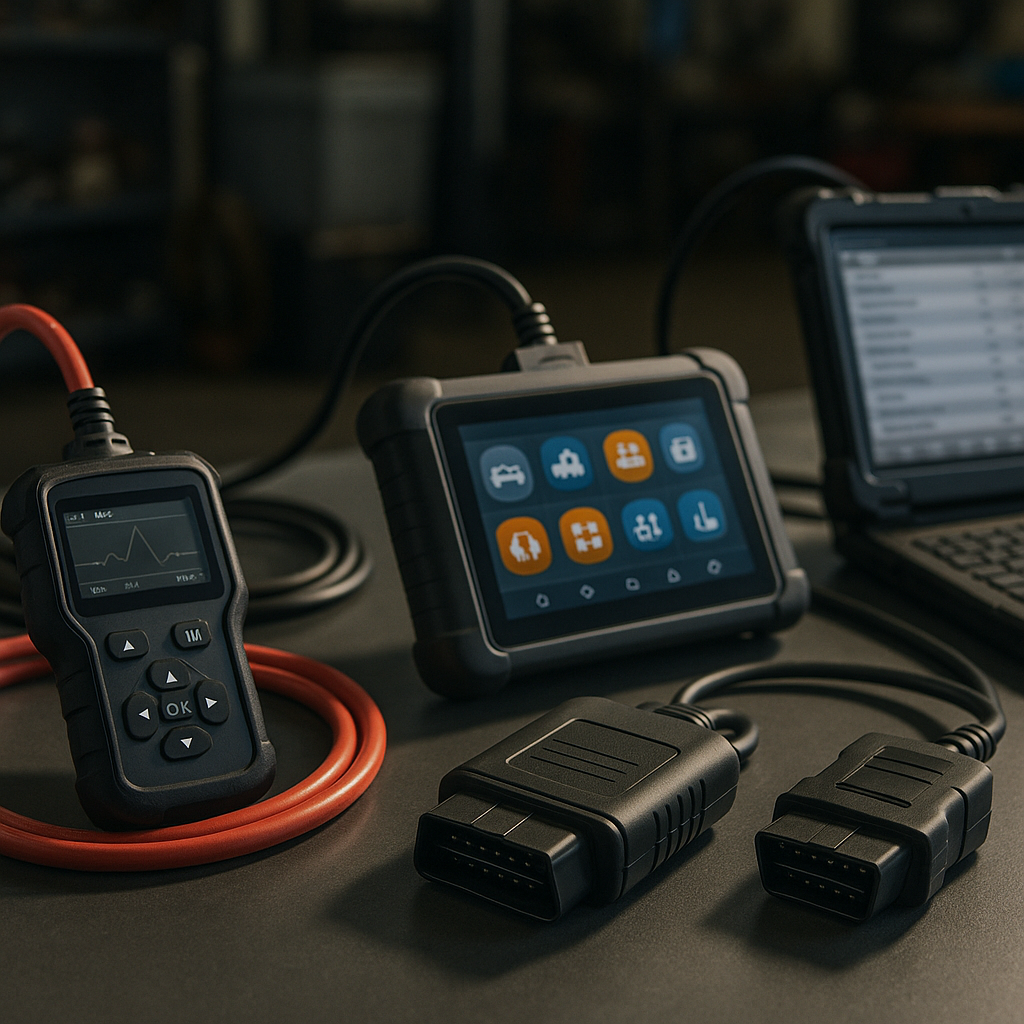
Basic handheld readers are available for under £30 and will read and clear diagnostic trouble codes. These are perfectly adequate for identifying why your MIL (malfunction indicator lamp) has triggered and resetting it after a repair. However, they offer little beyond that core function.
Bluetooth Dongles and Smartphone Apps
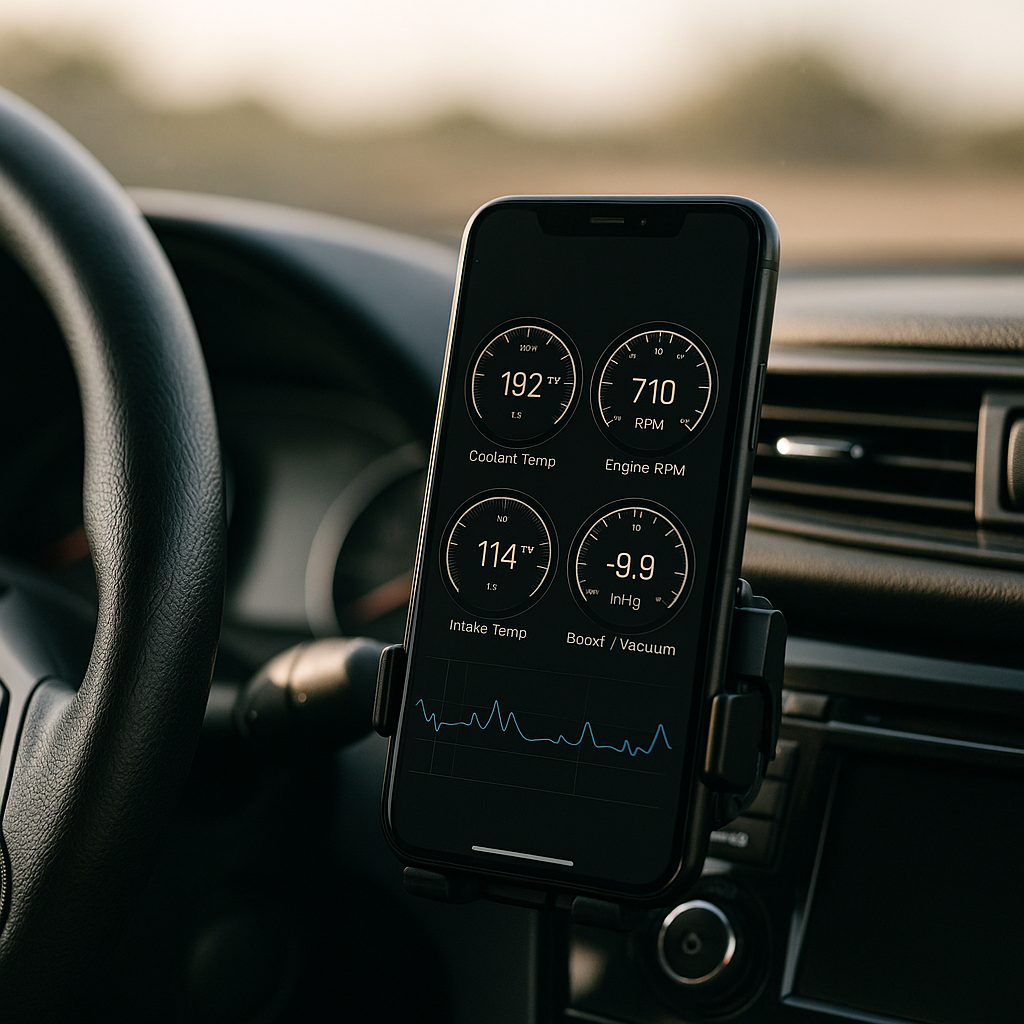
The biggest shift in the OBD2 scanner market has been the rise of wireless Bluetooth and Wi-Fi dongles paired with smartphone applications. You plug a small dongle – no bigger than a USB stick – into the OBD2 port, pair it with your phone, and run an app such as Torque Pro, OBD Fusion or Car Scanner ELM OBD2. This gives you a customisable dashboard of live data, freeze frame information and advanced readiness monitors, often for very little outlay.
The quality of the dongle matters enormously. Cheap generic ELM327 clones from unverifiable sources can cause communication issues, particularly with modern CAN bus systems. Reputable units from brands such as OBDLink or Veepeak use properly licensed chipsets and support faster communication protocols, making them far more reliable across a broad range of vehicles.
Professional-Grade Tools vs Entry-Level Readers
Professional workshop tools such as those from Autel, Launch or Snap-on go substantially further. A mid-range professional OBD2 scanner in the £200-£600 bracket will give you access to manufacturer-specific fault codes rather than just generic OBD codes, bi-directional control (meaning you can command actuators directly), key programming, ABS bleed sequences, TPMS resets and detailed system graphs. For a serious enthusiast or a home garage operator, these capabilities are genuinely transformative.
Generic codes cover the powertrain basics. Manufacturer-specific codes go deeper – identifying issues within transmission control, individual cylinder misfires, variable valve timing faults and more. If you own a European performance car, having access to that manufacturer-specific data is often the difference between a clear diagnosis and educated guesswork.
Live Data and Why It Matters
Live data is arguably the most powerful feature of any capable OBD2 scanner. Rather than simply reading a stored fault code, you can monitor sensors in real time while the engine is running. Parameters such as coolant temperature, fuel trims, oxygen sensor voltage, throttle position, manifold pressure and injection timing all stream simultaneously. This allows you to catch intermittent faults that would never trigger a stored code, spot a failing sensor before it causes damage, or verify that a repair has actually solved the root problem.
For anyone running a modified car – whether that is a remapped engine, an uprated intercooler or forced induction – live data monitoring via a reliable OBD2 scanner is not optional. It is how you protect your investment and ensure the calibration is working correctly under load.
Compatibility With Newer Vehicles
Modern vehicles increasingly use additional protocols beyond standard OBD2, particularly hybrid and electric platforms. Many current tools are being updated to handle these, but always check compatibility before purchasing. If your car was registered after 2020, confirm that the scanner explicitly supports your make and model, not just generic OBD2 compliance.
An OBD2 scanner is no longer just a workshop tool – it is a genuinely useful piece of kit for any driver who wants to understand what their car is telling them.
OBD2 scanner FAQs
Will an OBD2 scanner work on any car?
Any petrol car sold in the UK from 2001 onwards and any diesel from 2004 onwards is legally required to have an OBD2-compliant port. Most scanners will read generic fault codes across all of these vehicles, though manufacturer-specific features may require a more advanced tool that lists your exact make and model in its compatibility data.
Can I damage my car by using an OBD2 scanner or Bluetooth dongle?
A quality OBD2 scanner or dongle from a reputable brand is safe to use and will not harm your vehicle’s electronics. The risk comes from very cheap, poorly engineered clones that can cause communication errors or, in rare cases, conflict with a car’s CAN bus. Sticking to well-reviewed brands with proper ELM327 or OBDLink chipsets eliminates this concern.
What is the difference between a generic OBD2 fault code and a manufacturer-specific code?
Generic OBD2 codes, which begin with P0, B0, C0 or U0, are standardised across all manufacturers and cover common powertrain and emissions faults. Manufacturer-specific codes, such as those beginning with P1, go deeper into systems and components unique to that brand’s engineering. Reading these requires a scanner that specifically supports the manufacturer’s diagnostic protocol.
Leave a Reply