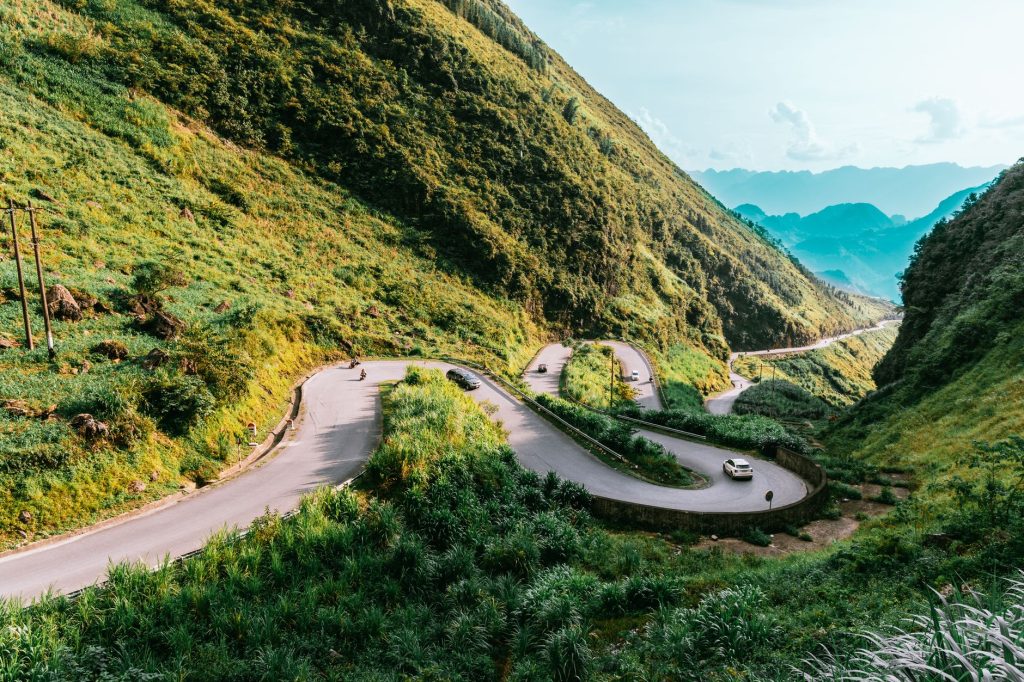
Snowdonia does something to a driver. You drop off the A55, climb into the foothills above Betws-y-Coed, and suddenly the road narrows, the gradient sharpens, and you remember why you bought something with a bit of character rather than a crossover with seat massagers. The best driving roads Snowdonia can throw at you are genuinely world-class: tight hairpins, exposed ridgelines, blind crests where you have no idea what’s coming, and scenery that makes you want to pull over every three miles. I’ve driven this part of North Wales several times, and every run teaches me something new about both the roads and the car.
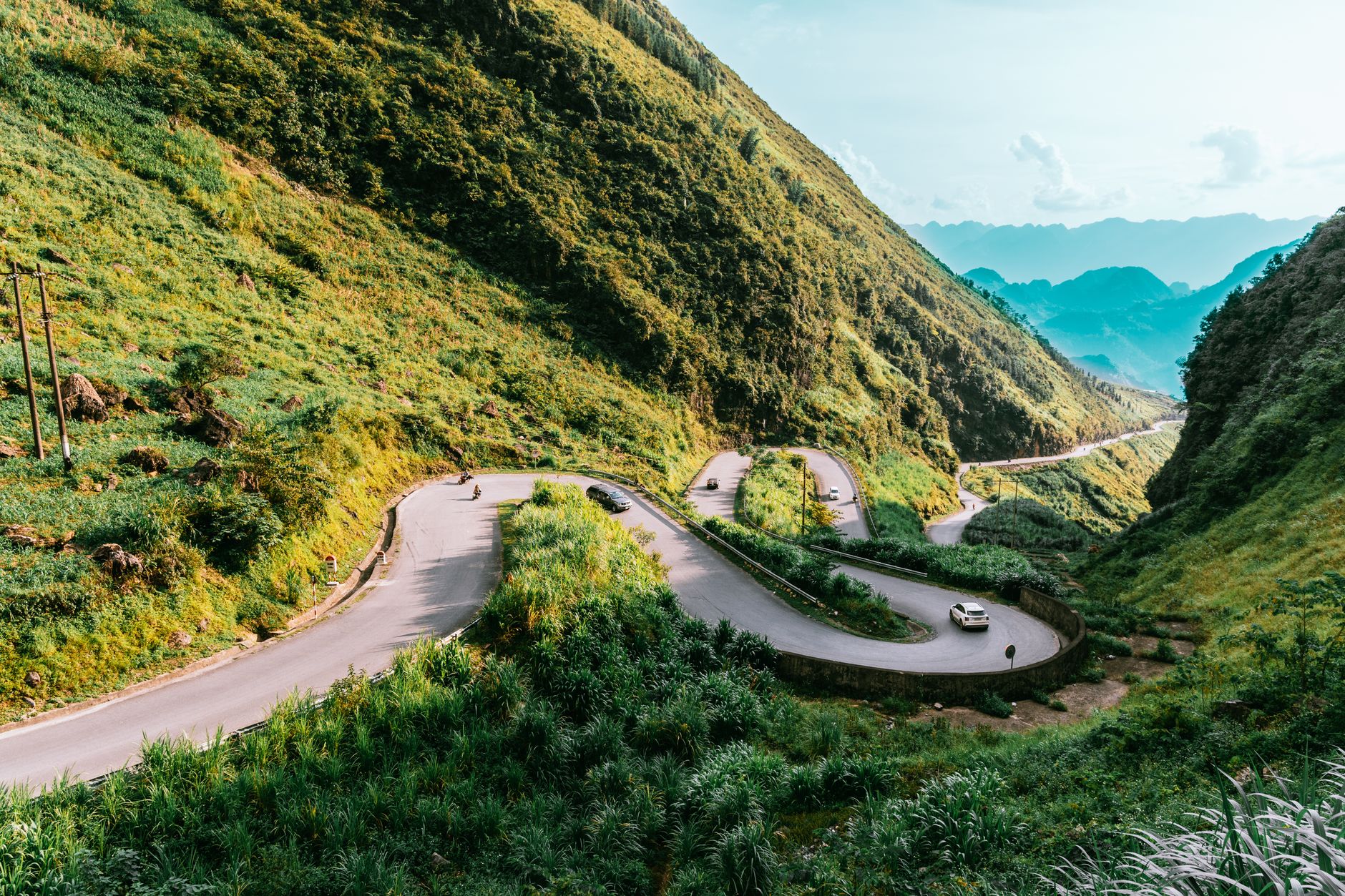
The Llanberis Pass (A4086): the classic mountain run
If you only have time for one road, make it the A4086 through the Llanberis Pass. It climbs from Llanberis on the western side up through the jaws of the Glyderau and Snowdon massifs, reaching Pen-y-Pass at roughly 360 metres. The road is nowhere near as wide as its A-road designation suggests. You will meet camper vans, minibuses full of walkers, and the occasional tractor, so rhythm driving is impossible in summer. That’s not a complaint, just reality. The technical challenge is real regardless: the gradient on the Llanberis side is relentless, second gear territory in most cars, and the road surface changes character depending on the weather.
Pen-y-Pass car park sits at the top and is a proper viewpoint worth stopping at, though it fills up by 9am on any dry weekend between April and October. The National Trust manages it and charges a fee. On the eastern descent towards Nant Gwynant the road opens up slightly and the views down the valley are extraordinary. Gear selection matters here more than speed. If you’re running an older performance car, watch your brake temperatures on repeated downhill sections.
Bwlch y Groes: Wales’s highest public road
This is the one I’d call the centrepiece of any serious driving tour through the area. Bwlch y Groes, which translates from Welsh as the Pass of the Cross, sits at around 545 metres and is the highest classified road in Wales. It connects the village of Dinas Mawddwy on the southern side with Lake Vyrnwy to the east, and the approach from Dinas Mawddwy is among the most dramatic climbing roads I’ve driven anywhere in Britain.
The gradient averages around 1-in-6 on the steepest sections, which is where a good limited-slip differential earns its keep on a wet surface. The road is single-track for most of the climb with passing places, and the tarmac quality is variable. You’re not chasing lap times here, you’re managing your car through a genuinely demanding environment. I’d strongly recommend checking the Met Office mountain forecast before attempting this one between November and March. Snow and ice appear fast at altitude and the road can close without much notice.
The A470 through the Conwy Valley
The A470 is the spine of Wales, running from Cardiff all the way north to Llandudno, and its Snowdonia section through the Conwy Valley is properly good driving. It’s faster and more open than the mountain passes, with long flowing bends and better surface quality, so it suits different cars and different moods. If the Llanberis Pass rewards patience and mechanical sympathy, the A470 rewards commitment and confidence in your front axle through fast sweepers.
I’d pair this with a stop at Betws-y-Coed, which sits at the junction with the A5. The A5 heading east towards Llangollen is another excellent driving road in its own right, running alongside the River Dee and through some dramatically wooded gorge sections. As a loop from, say, Conwy on the coast, you can string the A55 approach, the A470 south, the Bwlch y Groes detour, and the return via the A5 into something genuinely satisfying as a full day’s drive.
Practical fuel stops and timing
Fuel availability is the thing most drivers underestimate in Snowdonia. The petrol stations are sparse inside the park, and those that exist tend to be small independent forecourts with limited opening hours. Llanberis has a small Spar with a couple of pumps. Betws-y-Coed has a petrol station, as does Blaenau Ffestiniog. If you’re heading into the more remote southern areas around Bwlch y Groes, fill up in Dolgellau before committing to the climb. Running into reserve on a single-track mountain road with no signal is not a situation you want.
For the best driving experience, I’d aim for early morning departures, on the road by 7:30am if you can manage it. Traffic is lighter, walkers haven’t yet piled into Pen-y-Pass, and the light on the mountains in the first couple of hours is extraordinary. Late afternoon can work too, though you risk getting stuck behind slow vehicles with no realistic overtaking opportunity for miles at a time.
Seasonal access matters. Most passes stay open year-round but conditions can deteriorate sharply from October onwards. The best driving apps for UK journeys include traffic alerts for North Wales routes, and it’s worth running one in the background when you’re navigating unfamiliar mountain roads. Traffic Wales also operates a road condition service at traffic.wales.
What kind of car works best here
I’ve driven Snowdonia in a Honda Civic Type R, a Mk5 Golf GTI, and a Mazda MX-5, and all three were brilliant in different ways. The Type R’s chassis soaked up the broken tarmac on Bwlch y Groes more competently than I expected, though the low front splitter needed careful positioning through some of the more severe dips. The MX-5 was the most engaging on the Llanberis Pass, low gearing, immediate steering, and a mechanical connection the hatchbacks can’t quite replicate.
Whatever you’re driving, make sure your tyres are in good order before heading up. Cold, damp mountain tarmac is not the place to discover you’ve been running your rubber past the legal limit. If you’ve been considering any modifications ahead of a trip like this, it’s worth knowing that performance air filters for UK cars can make a noticeable difference to throttle response at altitude, where air density is marginally lower. Probably not dramatic, but you notice things like that when you’re working a car hard on a sustained climb.
Viewpoints worth stopping at
Pen-y-Pass at the top of the Llanberis Pass is the obvious one, but there are others. The layby above Nant Gwynant on the descent from Pen-y-Pass looks directly down to Llyn Gwynant and is stunning on a clear morning. The summit of Bwlch y Groes has a small turning area and the views across the Aran Fawddwy range are worth every metre of the climb. On the A470 north, pulling off near Dolwyddelan gives you a view of the ruined castle against the mountains that I’ve genuinely never seen a bad photograph of.
For enthusiasts who want to string together a proper multi-day driving trip through Wales, Snowdonia pairs very well with a loop through the Brecon Beacons further south or the mountain roads of mid-Wales. If Scotland is more your register, our guide to driving the Applecross Peninsula covers similar terrain with its own very particular demands.
Snowdonia rewards preparation and punishes arrogance. Come with a full tank, properly sorted tyres, decent maps downloaded offline, and a willingness to slow down for the landscape. The best driving roads Snowdonia offers aren’t circuits, they’re conversations between you, the car, and terrain that was here long before tarmac existed. That’s the whole point.
Leave a Reply