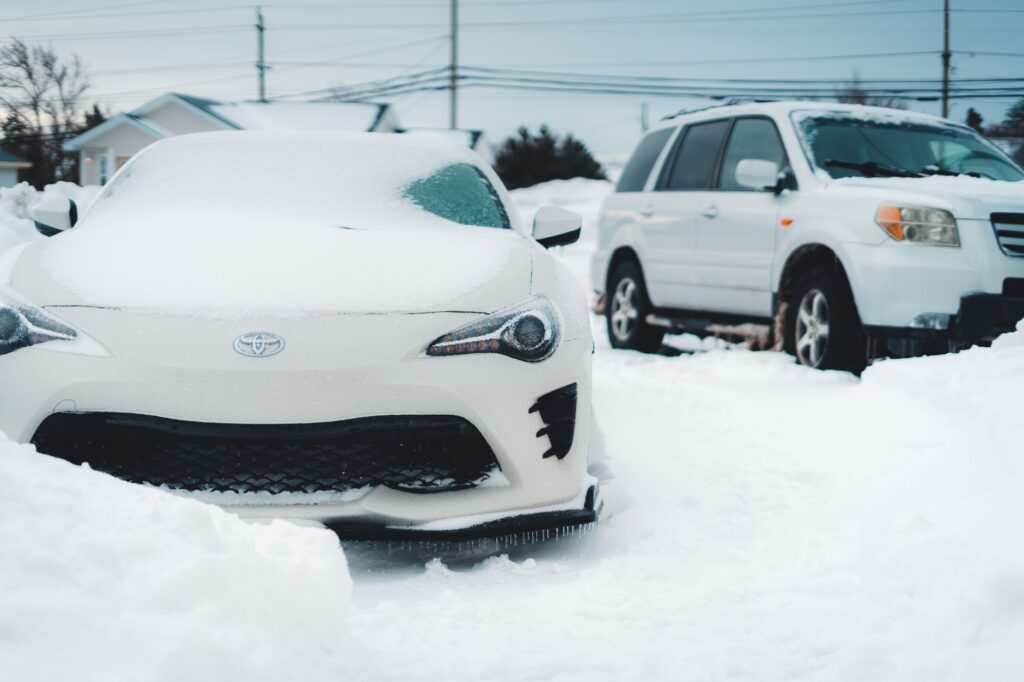
If you park on a driveway or leave a car outside for any length of time in Britain, you already know the problem. It’s not one dramatic weather event that does the damage, it’s the relentless combination of drizzle, morning frost, tree sap, bird lime and the occasional gale that slowly degrades paint, trim and rubber seals. A decent car cover is one of the most cost-effective bits of protection you can buy, yet most people either skip it entirely or grab the wrong type and wonder why it’s caused more harm than good. Finding the best car cover UK outdoor weather conditions can handle is a more considered decision than it looks.
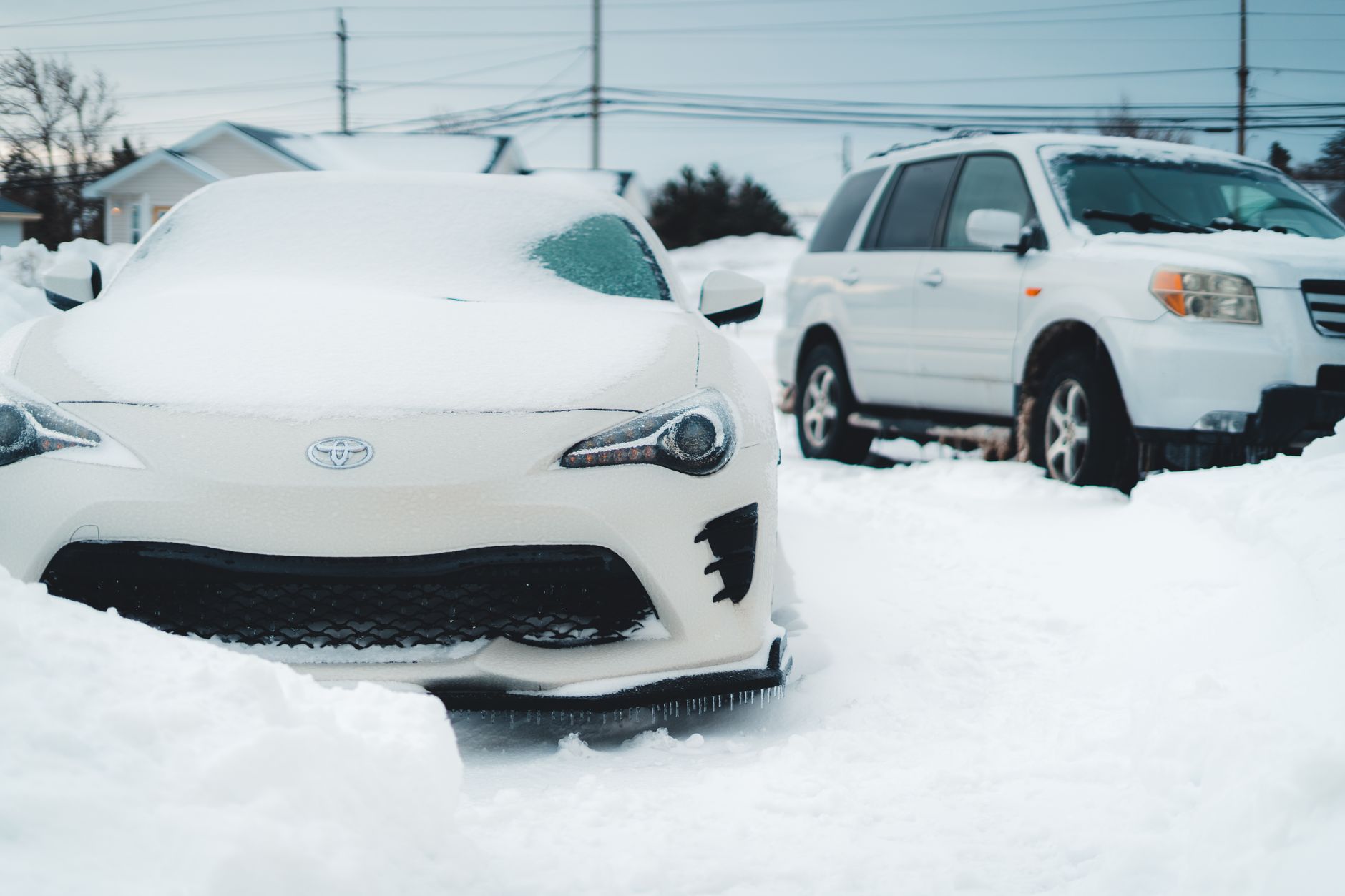
Outdoor vs indoor: they are genuinely different products
This is where a lot of buyers go wrong. An indoor garage cover is designed to keep dust off a stored car and prevent minor condensation. It’s typically lightweight, breathable and made from a soft material that won’t scratch paintwork. Put that same cover on a car parked outside in November and you’ll trap moisture underneath it, potentially accelerating rust and contaminating the paint surface with a fine layer of grit that acts like wet sandpaper every time the wind moves it.
Outdoor covers need a completely different specification. The outer face must repel water, at minimum water-resistant, ideally waterproof to a reasonable hydrostatic head rating. But here’s the counterintuitive bit: fully waterproof on both sides is actually not ideal. You want the outer layer to shed rain while the inner layer breathes, allowing moisture from the car’s own bodywork (particularly after a warm engine cools down) to escape rather than condense inside the cover. A trapped, humid microclimate under a non-breathable cover is exactly the environment that accelerates surface corrosion on steel panels and encourages mould on fabric or rubber trim.
What materials actually hold up against British damp
The most common materials you’ll encounter are non-woven polypropylene, polyester with PU coating, and premium multi-layer laminates. I’ve seen all three on cars in UK car parks and on driveways, and the performance gap is significant.
Non-woven polypropylene covers, the kind often sold for under £30 online, are fine for short-term indoor storage. Outside, they saturate quickly and lose any meaningful waterproofing within a season. The elasticated hems also tend to go slack, and a loose cover in a British winter gale will slap against the car and leave marks.
Mid-range polyester covers with a PU-coated outer layer are a genuine step up. Brands like Maypole and Streetwize offer covers in this category in the £40 to £80 range. They repel water reasonably well and the better versions include a soft inner lining. Worth checking the denier rating of the fabric, anything below 150D will struggle to resist abrasion. The limitation is longevity; UV exposure degrades PU coatings over two to three seasons of full outdoor use.
Premium multi-layer covers from manufacturers such as Covercraft, Stormforce or the respected Triguard range use bonded fabric constructions that genuinely balance waterproofing with breathability. These typically run from £120 upwards for a mid-size car. For a vehicle parked outside year-round, I’d argue this is the only category worth taking seriously. The layered construction mimics the same logic as quality outdoor clothing, moisture vapour moves outwards, liquid water does not move in.
Fit systems and why a loose cover is a liability
A cover that flaps is a cover that scratches. In the UK, where wind is a near-constant companion across most of the country, fit matters as much as the material spec. There are three practical fit options: semi-tailored covers that use elasticated sections at the nose and tail, fully tailored covers made to match a specific model’s profile, and universal covers that rely purely on straps and cables to stay in place.
Semi-tailored covers are the pragmatic middle ground. They fit a range of vehicles in a given size category, typically small hatchback, mid-size saloon, large estate or SUV, and use elasticated corners to grip the bodywork. Most mid-range outdoor covers use this approach and it works reasonably well provided you choose the right size band. Going one size up to get the cover on more easily is a common mistake; the excess fabric will catch wind.
Fully tailored covers are expensive but genuinely impressive in terms of fit. If you own a classic, a performance car or anything that spends significant time on the driveway uncovered, the investment makes sense. Manufacturers like Stormforce will make model-specific covers with cutouts for mirrors, aerials and door handles. The cover sits flush, there’s almost no wind catchment, and the soft inner layer is always in contact with the intended part of the bodywork rather than snagging on an edge.
Whichever fit system you choose, look for an underbody strap, a simple webbing strap that passes under the vehicle and clips to both sides. This is the single most effective anti-gale feature available. Without it, even a well-fitted cover can become airborne in a proper storm. Some covers also include grommets for a secondary cable lock, which is worth having if theft of the cover itself is a concern. It also discourages opportunistic access to the vehicle.
UV protection and frost: the two underestimated threats
People in the UK tend to underestimate UV damage because the sun isn’t here all that often. But UV radiation still reaches the car’s surface on overcast days, and cumulative exposure over years is responsible for the faded plastics and chalky lacquer you see on older cars that have lived outdoors. A quality outdoor cover should include a UV-inhibiting treatment in the outer layer. Most mid-range and premium covers will specify this; check the product data before buying rather than assuming it’s included.
Frost is the other issue. A damp cover can freeze solid to the bodywork overnight, which is both alarming and potentially damaging when you try to remove it in a hurry on a January morning. The answer is to ensure the cover is dry before fitting and that the inner lining is genuinely soft and non-abrasive. Some covers include a fleece inner layer specifically to act as a thermal buffer. These are worth seeking out if you’re dealing with regular hard frosts; the extra thickness also slows re-wetting of the outer face after thaw.
The Met Office publishes seasonal vehicle care guidance that touches on frost protection and condensation management, which is worth a read if you’re new to storing a vehicle through a British winter.
Indoor garage covers: what to prioritise
For a garaged car, the requirements flip. Breathability is everything; waterproofing is largely irrelevant. What you’re guarding against is dust, minor contact damage from other people in the garage, and the condensation that forms when temperature changes overnight. A good indoor cover should be made from a soft, static-free material that won’t attract dust like a magnet and won’t scratch if it slides against the bodywork.
I keep a lightweight satin-weave cover on a weekend car stored in a cold garage, and the difference in the amount of cleaning required between covered and uncovered storage is significant. The soft lining on quality indoor covers is also kinder to waxed surfaces than you might expect, provided the cover goes on clean. Fitting a dusty or grit-laden cover over a freshly polished car is one of the most efficient ways to undo a good detailing session.
Keeping everything in order
A car cover works best as part of a broader care routine. If you’re already thorough about keeping your car clean and protected, pairing a quality cover with a good ceramic spray or paint sealant underneath it means the surface the cover sits against is smooth and hydrophobic, which reduces the risk of any grit particles causing micro-scratches. It also makes the cover itself easier to clean, since contaminants have less to cling to.
For anyone building out a proper kit for their vehicle, it’s worth thinking about what else you carry or store with the car. Our guide to what to keep in your boot for emergencies is a good companion read, as is our rundown of glovebox essentials for UK drivers. And if the car being covered is a weekend driver that sees some damp road time, you’ll also want to read our comparison of microfibre, chamois and synthetic drying towels before it goes back under the cover wet.
The honest answer to which car cover to buy is this: spend more than you think you need to if the car lives outside, prioritise breathability alongside waterproofing, get the fit right, and use the underbody strap. Done properly, a cover will pay for itself in paint protection alone within the first British winter.
Frequently Asked Questions
Can I use an indoor car cover outside in the UK?
No, indoor covers lack water resistance and will trap moisture against the bodywork, accelerating surface corrosion and encouraging mould. For outdoor use in the UK’s persistent damp climate, you need a cover specifically rated for outdoor conditions, with a breathable yet water-repellent construction.
What is the best material for a car cover in the UK?
Multi-layer laminated fabrics from brands like Stormforce, Triguard or Covercraft offer the best balance of waterproofing and breathability for the UK climate. Single-layer PU-coated polyester covers are a reasonable budget option but degrade faster under consistent outdoor exposure.
Will a car cover scratch my paintwork?
A poorly fitted or grit-contaminated cover can cause micro-scratches, particularly if wind makes it slap against the car. Always fit the cover onto a clean, dry surface, choose one with a soft inner lining, and use the underbody retention strap to prevent movement in wind.
Leave a Reply