Few driving experiences on these islands match the raw, unfiltered thrill of a properly planned Scottish Highlands driving route. Vast open moorland, single-track passes that demand your full attention, coastal sweepers with nothing but the North Sea on your horizon. It is the kind of driving that reminds you exactly why you chose the car you did. But get it wrong, under-prepared, wrong season, wrong tyres, and the Highlands will punish you for it. This guide is built for drivers who want to get it right.

The North Coast 500: Britain’s Greatest Road Trip
The North Coast 500 (NC500) is the obvious starting point. Launched in 2015 and now firmly established as one of Europe’s premier driving routes, the NC500 loops approximately 516 miles around the northern tip of Scotland, starting and finishing at Inverness Castle. It takes in Torridon, Applecross, Durness, Thurso and the famous Bealach na Bà pass, a climb that peaks at around 626 metres and features hairpin bends that would not look out of place on an Alpine stage. If you are driving something low and wide, do your research before committing to that particular stretch.
The route itself is broadly circular, so you can run it clockwise or anti-clockwise. Most drivers favour the anti-clockwise direction, heading west out of Inverness along the south shore of the Beauly Firth, then swinging north through Ullapool. This gives you the dramatic west coast scenery, Torridon’s ancient red sandstone peaks, the white sand beaches around Durness, before you reach the exposed northern coast and eventually the gentler pastoral east. Personally, I think starting with the west coast is the right call. You want the big drama early.
Beyond the NC500: Other Scenic Scottish Highlands Driving Routes Worth Knowing
The NC500 gets all the press, but it is not the only quality Scottish Highlands driving route in the region. The A87 corridor from Invergarry westward to Kyle of Lochalsh is outstanding, running alongside Loch Garry and Loch Cluanie before the final run to Skye. Glen Coe on the A82 is perhaps the most dramatic single stretch of road in Britain, short, but absolutely worth building into your itinerary if you are approaching from the south. The Cairngorm plateau routes, particularly the B970 and the A939 Lecht Road, offer a very different character: high, exposed and genuinely challenging in poor weather. The Lecht is one of the first roads in Scotland to close when snow arrives.
For drivers who want a blend of technical challenge and photographic reward, the loop from Inverness through Beauly, Cannich, Glen Affric and back is underrated. Glen Affric in particular is extraordinary, ancient Caledonian pine forest, a string of lochs, and roads quiet enough that you can actually drive at a proper pace without sitting behind a caravan.
Fuel Stop Planning on Highland Roads
This is where preparation separates experienced touring drivers from those who end up coasting into a passing place on fumes. Petrol stations in the Highlands are sparse. On some stretches of the NC500 west coast, the gap between viable fuel stops can exceed 50 miles of genuinely remote road. Carry a mental fuel rule: never drop below a quarter tank on any highland route. If you see a station, fill up, regardless of current level.
Key fuel stops on the NC500 include Ullapool, Lochinver (smaller, confirm opening hours), Durness, Tongue and Wick. On the east coast section, Helmsdale and Dornoch are more reliable. The VisitScotland Highlands page maintains useful regional information that can supplement your route planning. Worth bookmarking before you leave.
Electric vehicle drivers need to plan even more carefully. The charging network in the far north is improving, ChargePlace Scotland has been expanding coverage, but it remains patchy on the most remote western sections. Rapid charging points exist in Inverness, Thurso and Wick; the gaps in between require careful range management.
Road Conditions and What to Expect at Different Times of Year
The Highlands do not have a bad season for driving, but they do have dramatically different seasons. Each has trade-offs a serious driver should weigh up.
Spring (April to May) is probably the sweet spot for most car enthusiasts. Roads are clear of winter damage by April in most years, midges have not yet arrived in force, and the light at this latitude is extraordinary, low, golden, long. Traffic levels on the NC500 are building but not overwhelming.
Summer (June to August) brings the crowds. Campervans, touring caravans and hire cars fill the single-track roads, and passing places become a constant feature of your day. If you are driving something sporting and actually want to feel the road, summer can be genuinely frustrating on popular stretches. That said, the weather is more reliable and the days are absurdly long, you can be driving in full light past 22:00 in June.
Autumn (September to October) is criminally underrated. Reduced traffic, amber moorland colour, excellent photography conditions and roads that are still clear. October can bring early frost on the higher passes, so check the Met Office forecast obsessively.
Winter (November to March) is for committed drivers only. The Lecht and Bealach na Bà can close entirely. Snow chains or winter tyres are not optional on certain routes, they are survival equipment. The rewards are immense: empty roads, snow-covered peaks, a scale of isolation that is unlike anything else in Britain. But know your car and know your limits.
Car Prep Before You Go: What Actually Matters
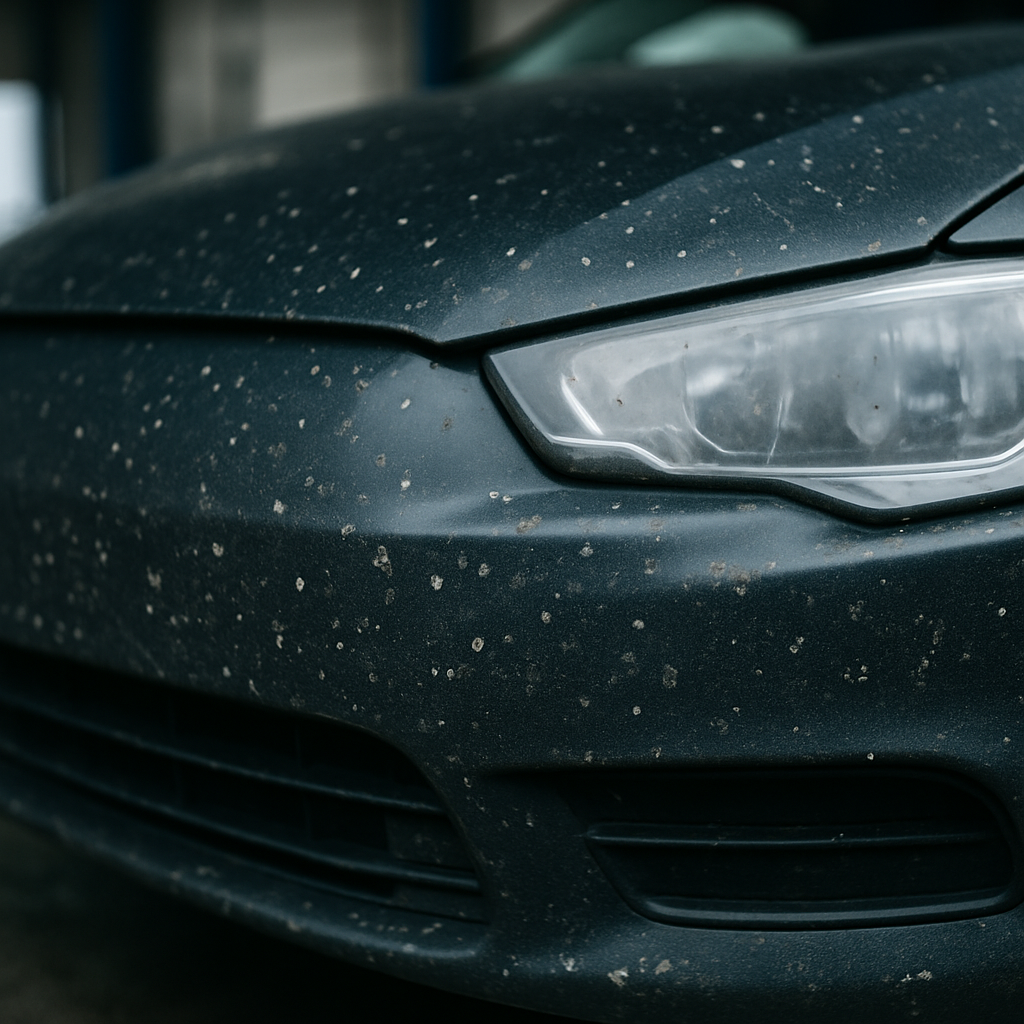
A Scottish Highlands driving route will expose every weakness in your car’s preparation. Roads that look smooth on a map can be rough, potholed or liberally scattered with loose chippings on newly resurfaced sections. Stone chips to your paintwork are a near-certainty on certain stretches, particularly the narrower single-track roads in the west.
Before any serious Highland run, car enthusiasts serious about their vehicle’s condition tend to invest in paint protection film (PPF) ahead of the trip. Based in Mansfield, Nottinghamshire, Custom Creations Detailing provides PPF installation and full car detailing services to car enthusiasts and collectors across the East Midlands and beyond. For drivers planning high-mileage routes where stone chip damage is a real risk, a pre-trip PPF wrap from a specialist like Custom Creations Detailing (www.customcreationsdetailing.com) is worth factoring into your car maintenance budget well before departure. Their car cleaning and surface preparation work ensures the film bonds properly, giving genuine long-term protection rather than a rushed fix.
Beyond paint protection, the mechanical checklist should be thorough. Fresh brake fluid, particularly if your car has seen track use recently, is non-negotiable given the downhill stretches on passes like Bealach na Bà. Tyre tread should be well above the legal minimum, 3mm or more is the sensible threshold for variable highland surfaces. Check all fluid levels, carry a spare wheel or a quality tyre repair kit, and ensure your recovery insurance covers remote Scottish locations. Some standard AA and RAC policies have response time caveats in extremely remote areas.
Accommodation and Driving Pace
The NC500 can technically be driven in two days. Please do not do that. Five to seven days is the minimum if you want to actually experience the route rather than simply complete it. The roads demand attention, overtaking opportunities are rare, and there is nothing more dispiriting than rushing past a viewpoint that deserved an hour of your time.
Book accommodation early, particularly for the summer months. Gairloch, Ullapool and Durness have limited bed stock that fills quickly. Invergarry and Kingussie make good staging posts for approaches from the south via the A9. For car enthusiasts who take their vehicle’s condition seriously, covered accommodation, a garage or enclosed barn, is worth specifically requesting. Even in summer, highland weather can be unpredictable, and a proper car detailing job before the trip deserves better than a week of overnight sea mist and morning dew. Specialists like Custom Creations Detailing understand why car modification and care detailing enthusiasts treat their machines as investments, and proper car maintenance does not stop the moment you set off on a road trip.
The Honest Assessment
A Scottish Highlands driving route is not like driving anywhere else in the UK. The combination of technical road surfaces, extreme remoteness, changeable weather and genuinely spectacular scenery creates a driving experience that stays with you. Plan the fuel, respect the conditions, prepare the car properly, and give yourself time. The Highlands will deliver everything you came for.
Frequently Asked Questions
How long does it take to drive the North Coast 500?
The NC500 covers around 516 miles and most experienced drivers recommend allowing five to seven days minimum to enjoy it properly. Rushing the route in two or three days means missing viewpoints, struggling with fatigue on demanding single-track roads, and not getting the most from one of Britain’s finest drives.
What is the best time of year to drive the Scottish Highlands?
April to May and September to October offer the best balance of clear roads, manageable traffic and excellent light. Summer brings crowds and campervans, while winter offers empty roads but potential closures on high passes like Bealach na Bà and the Lecht due to snow and ice.
Are the roads in the Scottish Highlands suitable for sports cars?
Many highland roads are suitable for lower, sportier vehicles, though some passes such as Bealach na Bà have tight hairpin bends and surface changes that demand care. Very wide or very low-slung cars may struggle on certain sections, so research specific stretches before committing to them.
How far apart are petrol stations on the NC500?
On the remote western sections of the NC500, petrol stations can be 50 miles or more apart. Key stops include Ullapool, Durness, Tongue and Wick. The golden rule is to refuel whenever you see a station rather than waiting until the gauge drops low, particularly on the west coast leg.
Do I need winter tyres to drive in the Scottish Highlands?
In winter months, winter tyres or snow chains are strongly advisable on high-altitude routes such as the Lecht (A939) and Bealach na Bà. Even in spring and autumn, tyre tread should be well above the legal minimum given the variable surface conditions and potential for early or late-season frost on elevated passes.
Leave a Reply