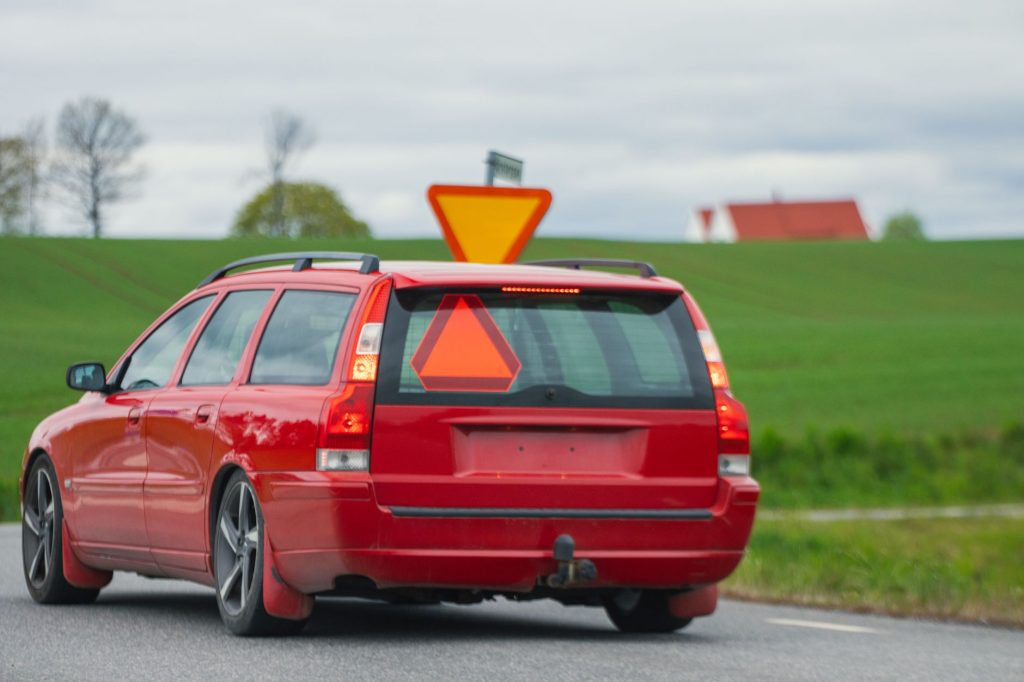
Tow bar fitting in the UK is one of those jobs that sounds simple until you start digging into the details. There are three distinct bar types, type approval rules that carry real legal weight, DVLA notification requirements most drivers miss, and a spread of fitting costs that varies enormously depending on your vehicle and the installer you choose. I’ve spoken to a fair few caravan owners who turned up at a dealership expecting a straightforward bolt-on job, only to discover their car needed a specific wiring harness, a software module, and a swan-neck design just to play nicely with the factory trailer detection system. This guide cuts through that noise.
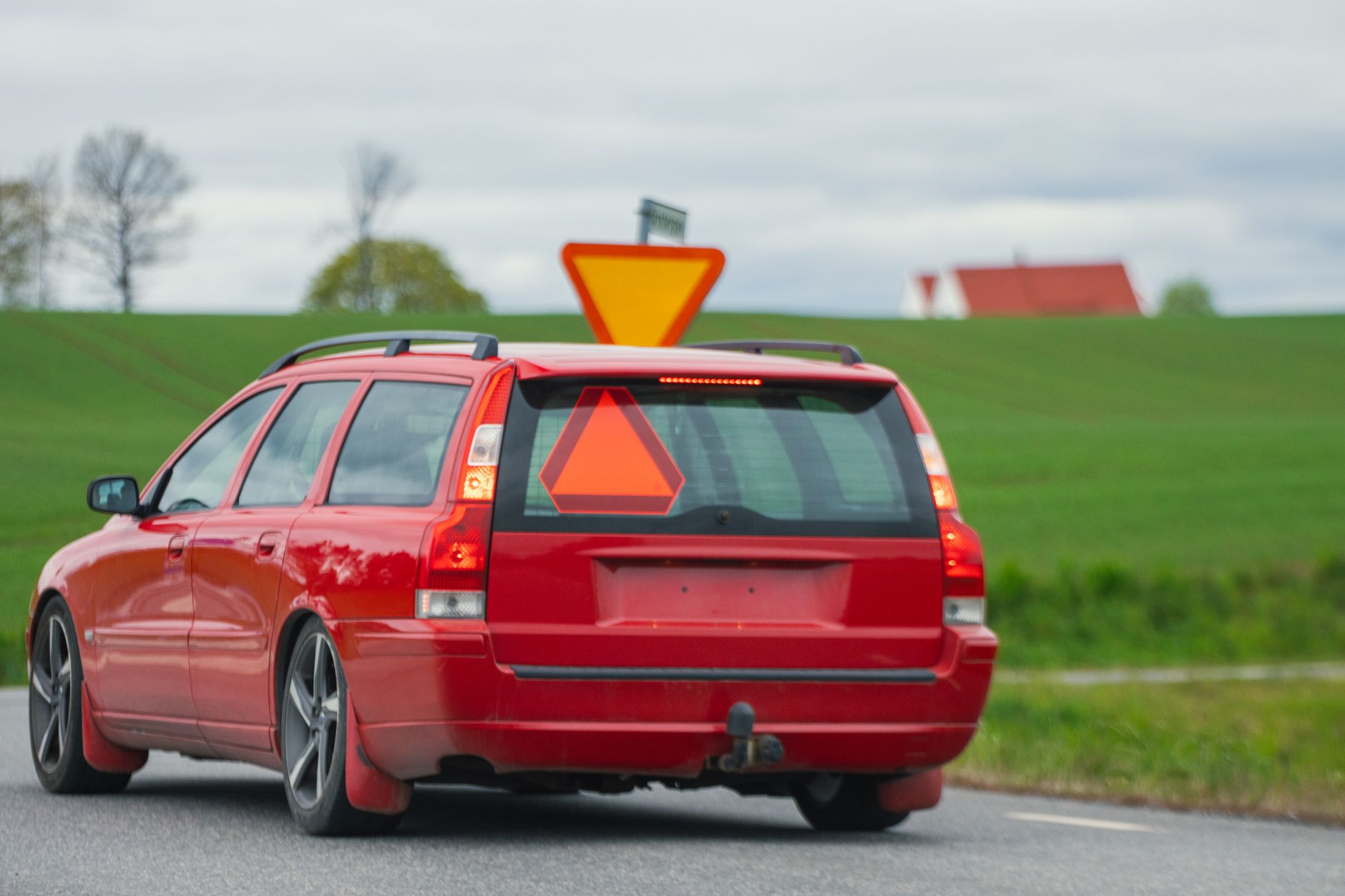
The three tow bar designs: what actually differs
Fixed tow bars are exactly what the name says. The ball and neck are permanently attached to the vehicle’s rear structure. They are the most affordable option to buy and fit, and they are bombproof for regular, heavy towing, think farmers running livestock trailers, or drivers who tow a caravan every single weekend. The downside is obvious: the ball hanger sits behind your bumper permanently, which means parking sensors can be permanently confused, reversing cameras may need recalibration, and aesthetically it is not subtle. Expect to pay somewhere between £150 and £300 for the bar itself, with fitting labour on top.
Detachable tow bars solve the permanent-protrusion problem by letting you remove the ball and neck unit when you are not towing. A quick-release mechanism, usually a push-button or twist-lock collar, lets you pull the head off in under thirty seconds once you get the hang of it. The mounting flange stays on the vehicle, but it is compact and sits largely hidden behind the bumper. Detachable bars cost more, typically £250 to £500 for the unit, and the mechanisms do require occasional cleaning and lubrication to stay slick in British weather. For most private car owners who tow occasionally, this is probably the sweet spot.
Swan-neck bars (sometimes called fixed swan-neck to distinguish from the detachable variant) use a curved neck profile rather than the straight horizontal arm of a traditional fixed bar. The design is now increasingly specified by manufacturers because it is required for certain stabiliser systems, including the popular Al-Ko Stabiliser and the Westfalia coupling used on many German caravans. Some vehicle manufacturers, Volkswagen Group models are a notable example, essentially mandate swan-neck fitment through their approved accessories programmes. If you own a newer Skoda Superb Estate, a Passat, or a SEAT Tarraco and you want to tow a caravan with a coupling designed for the profile, this is not optional. Pricing sits in a similar range to fixed bars, around £180 to £350 for the unit, but approved fitment for these vehicles often adds to the total cost.
What tow bar fitting actually costs in the UK in 2026
The bar itself is only part of the bill. Labour, wiring, and software work can easily double what you expected to spend. Here is a realistic breakdown of what UK drivers are paying right now.
A basic fixed bar fitted to a straightforward tow vehicle, a van, a Land Rover Defender, an older estate car without a CAN-bus electrical system, will typically come to £300 to £500 all-in from a specialist fitter. The wiring on older vehicles is a simple seven-pin bypass unit, which is cheap and fast to install.
Modern vehicles are a different matter. Cars produced from roughly 2008 onwards frequently use CAN-bus multiplexed electrical systems, where the trailer electrics need to communicate with the body control module rather than just tap directly into the lighting circuit. On these cars you need a dedicated vehicle-specific wiring kit, often called a dedicated bypass relay. These harnesses can cost £80 to £180 on their own, and fitting them takes longer. Total installed costs for a detachable bar with dedicated wiring on a modern SUV or estate often land between £500 and £900. On prestige marques, BMW X5, Mercedes GLE, Range Rover Sport, budget for the top of that range and possibly beyond.
If your car uses trailer stability programme integration (many current Volvo, Ford, and Volkswagen Group vehicles do), the fitter may also need to code the tow bar into the vehicle’s ECU so the stability systems respond correctly when a trailer is attached. This ECU coding step adds roughly £50 to £150 depending on the tools and time involved. Skip it, and your trailer sway control may not activate when you actually need it most. I’d argue this is the step most people do not know to ask about, and a good specialist will flag it without being prompted. A bad one will not mention it unless you do.
DVLA notification and type approval: the legal side
This is where a lot of drivers get caught out. Under current UK regulations, fitting a tow bar does not automatically mean you need to notify the DVLA of a vehicle modification, but the bar itself must be type-approved to EC94/20 (or the GB equivalent retained post-Brexit). Any reputable supplier will sell bars that carry this approval, and you should always check the certificate, particularly if you are buying from a marketplace seller. An unapproved bar is not just a fine risk; it can void your insurance in a claim and create MOT complications.
Your driving licence category determines what you can tow, and this matters more than the bar type. If you passed your car test on or after 1 January 1997, your Category B licence limits you to towing a trailer where the total combined weight (vehicle plus trailer) does not exceed 3,500 kg, and the trailer’s Maximum Authorised Mass (MAM) must not exceed the vehicle’s kerbweight. To tow heavier outfits, you would need to pass a B+E test. The gov.uk towing guidance sets this out clearly, and I’d recommend reading it before you buy anything.
Beyond your licence, your vehicle’s towing capacity is fixed by the manufacturer and shown on the VIN plate. No tow bar in the world increases that figure. If your car is rated at 1,500 kg braked trailer maximum, that is your ceiling regardless of how heavy-duty the bar looks. Exceeding it voids insurance, fails the DVSA roadside weight check, and is genuinely dangerous. Check your handbook, and if you cannot find the figure there, the DVSA or your manufacturer’s dealer can confirm it.
Choosing a fitter: what to look for
National chains like Towsure and Witter Towbars have dealer networks across the UK and use fully trained technicians, which gives some peace of mind. Dedicated tow bar specialists often found through the National Caravan Council’s supplier directory are another solid route. The key things to check: the fitter should supply a certificate of conformity for the bar (type approval proof), provide a wiring diagram specific to your vehicle, and be able to tell you without hesitation whether your car needs ECU coding. If they cannot answer that last question confidently, walk away.
Independent garages can offer competitive pricing, but the quality gap is wider. A garage that fits ten bars a year is unlikely to have the vehicle-specific wiring harness knowledge of a specialist who fits fifty a month. On a modern car with complex electronics, the difference genuinely matters. If you are interested in how vehicle electronics affect other aspects of car performance and modification, reading up on OBD2 diagnostic tools gives a useful grounding in how interconnected modern car systems really are.
One more thing worth mentioning for anyone who is also into lighter, older tow vehicles: if you are shopping for a classic car with towing potential, the resurgence in values around certain older machines makes it worth thinking about vehicle choice carefully before you spend on a bar. There is a good case to be made for early 1990s cars as smart purchases right now, and some of those older estates and tourers had impressive tow ratings from the factory.
Practical notes on trailer legality and insurance
Once the bar is fitted and certified, your insurance position needs checking. Many comprehensive policies include trailer cover automatically, but the liability limit and the conditions vary between insurers. Some policies cover third-party liability while towing but not accidental damage to the trailer itself. Read the policy document, do not just assume. If you store a caravan or trailer, a named trailer extension is usually inexpensive and worth having.
On the accessories side, a decent quality tow hitch lock is sensible given caravan theft rates in the UK. A wheel clamp adds another layer. Some insurers now factor security measures into their premium for caravans, so it is worth asking. For the electrical connection, a 13-pin Euro coupling has largely replaced the old seven-pin setup on newer caravans and covers both road lighting and the 12V leisure circuit, saving you running a separate cable to the leisure battery. If your bar is wired to the older seven-pin standard, an adapter plug sorts it, but a proper rewire is cleaner.
For tracking and tech during a tow, I have found that dedicated caravan movers increasingly use smartphone-integrated systems for reversing and tracking, and sites like steerdrive.co.uk cover the broader world of in-car tech that complements this kind of setup. Meanwhile, longer towing runs on UK motorways benefit hugely from proper route planning tools; our guide to the best motorway driving apps for UK journeys covers the apps that handle live traffic and service station information, which matters when you are pulling a caravan and cannot just nip off at any junction.
Get the bar type right for your coupling system, get it type-approved and fitted by someone who actually knows your vehicle’s electronics, and make sure your licence and insurance are in order. Everything after that is relatively straightforward.
Frequently Asked Questions
Do I need to tell the DVLA when I fit a tow bar?
For most standard tow bar installations on passenger cars, you do not need to notify the DVLA, but the bar must carry type approval (EC94/20 or equivalent GB standard). If the modification structurally alters the vehicle or changes its classification, notification may be required. Always check with your installer and keep the certificate of conformity.
How much does tow bar fitting cost in the UK?
A basic fixed bar on an older vehicle can cost as little as £300 to £500 all-in including simple bypass wiring. On modern cars with CAN-bus electrics, expect £500 to £900 for a detachable bar with dedicated wiring. Prestige SUVs with ECU coding requirements can push beyond £1,000 at main-dealer rates.
What is the difference between a detachable and a swan-neck tow bar?
A detachable bar allows the ball and neck to be removed when not towing, keeping your rear bumper clean and parking sensors happier. A swan-neck bar has a curved fixed neck profile and is required by certain caravan coupling systems, such as Al-Ko Stabilisers and specific German caravan brands, for proper engagement and trailer sway control.
Can any car be fitted with a tow bar?
Most cars can accept a tow bar, but the vehicle’s towing capacity is fixed by the manufacturer and cannot be increased. You also need to confirm whether your car requires a vehicle-specific wiring harness and ECU coding. Some vehicles with integrated rear parking structures or tight bumper tolerances have limited compatible bar options.
Does fitting a tow bar affect my car insurance?
A type-approved tow bar fitted professionally is generally considered a standard modification by UK insurers and should not affect your premium, but you should inform your insurer when it is fitted. Towing cover, including third-party liability while towing, varies between policies, so check your documents and add trailer cover if needed.
Leave a Reply