The sat nav vs phone navigation UK debate has been running for years, and I still get asked about it at every trackday briefing and long-distance road trip I go on. Both sides have genuine arguments. Dedicated units from Garmin, TomTom and Sygic have evolved considerably; meanwhile Google Maps and Waze have become genuinely sophisticated tools that most UK drivers already have in their pocket. So which should you actually trust on the road in 2026?
Let me give you an honest, technical breakdown, because the answer really does depend on how and where you drive.
Speed camera alerts and fixed safety cameras
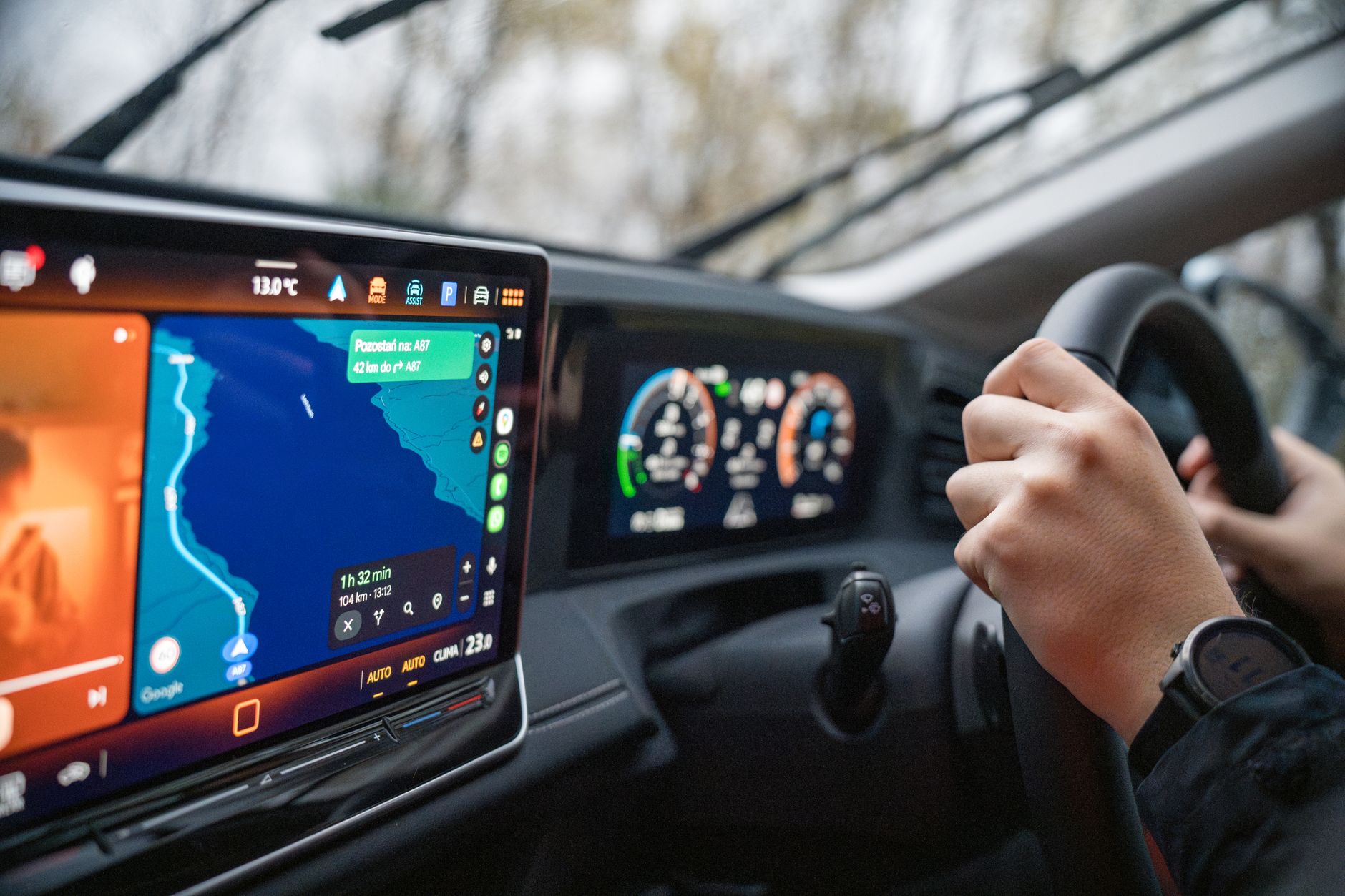
This is where dedicated sat navs still earn their keep for many UK drivers. Garmin’s DriveSmart range and TomTom’s GO models both pull from curated, regularly updated UK speed camera databases. A unit like the Garmin DriveSmart 76 will alert you to fixed Gatso cameras, average-speed SPECS zones, mobile camera locations reported by other users, and red-light cameras. The alerts are reliable, the audio cues are clear, and the database is updated automatically over Wi-Fi.
Waze handles speed cameras well through crowd-sourcing: other drivers report mobile units in real time, and the app flags permanent fixed cameras from its own database. In dense urban areas around Bristol, Manchester and the M25 corridor, Waze’s real-time camera reporting is genuinely impressive. Google Maps has improved its camera alerts significantly, though it is still less granular than a dedicated device in rural A-road stretches where SPECS cameras cover long sections between junctions. For average-speed zones on the A9 in Scotland or the A1(M) roadworks near Peterborough, a dedicated sat nav with a proper UK-sourced camera database gives me more confidence.
Live traffic data: who actually wins?
Google Maps wins here. Full stop. Its traffic layer draws from hundreds of millions of Android and iOS devices moving around the UK road network simultaneously, plus direct feeds from Highways England. The volume of data Google processes means that on the M6 through Birmingham or the M25 near the Dartford Crossing, rerouting is faster and more accurate than anything a standalone device can match without a mobile data connection.
Waze is superb for incident reporting, a driver near a pothole, debris in the road, or a police presence will flag it within minutes, and you benefit seconds later. TomTom GO units use TomTom Traffic, which is genuinely competitive and feeds off a massive dataset including commercial fleet vehicles. But without a live SIM or tethered phone data, a dedicated sat nav’s traffic data goes stale quickly. Most current Garmin and TomTom models require your phone’s hotspot or Bluetooth connection to pull live traffic anyway, which somewhat blurs the distinction between the two categories.
Rural signal reliability: the real differentiator
Here is where dedicated sat navs genuinely earn their place in the car. If you drive regularly in the Scottish Highlands, the Brecon Beacons, or on the kind of remote passes I wrote about when driving the Applecross Peninsula, signal reliability matters enormously. A dedicated sat nav holds maps entirely on-device. No signal required. The routing, the maps, the camera alerts, all of it works regardless of whether EE or Vodafone can reach you.
Google Maps does allow offline map downloads for a region, but the offline mode strips out live traffic, camera alerts and real-time rerouting. Waze does not function offline at all in any meaningful way. If your route takes you through a 30-mile stretch of mid-Wales with no 4G coverage, Google Maps offline is a static map at best, and Waze is effectively useless. For long-distance driving on UK A-roads away from motorway corridors, a dedicated device with full offline maps gives you a safety net that phone apps simply cannot match.
Mount options and in-cabin usability
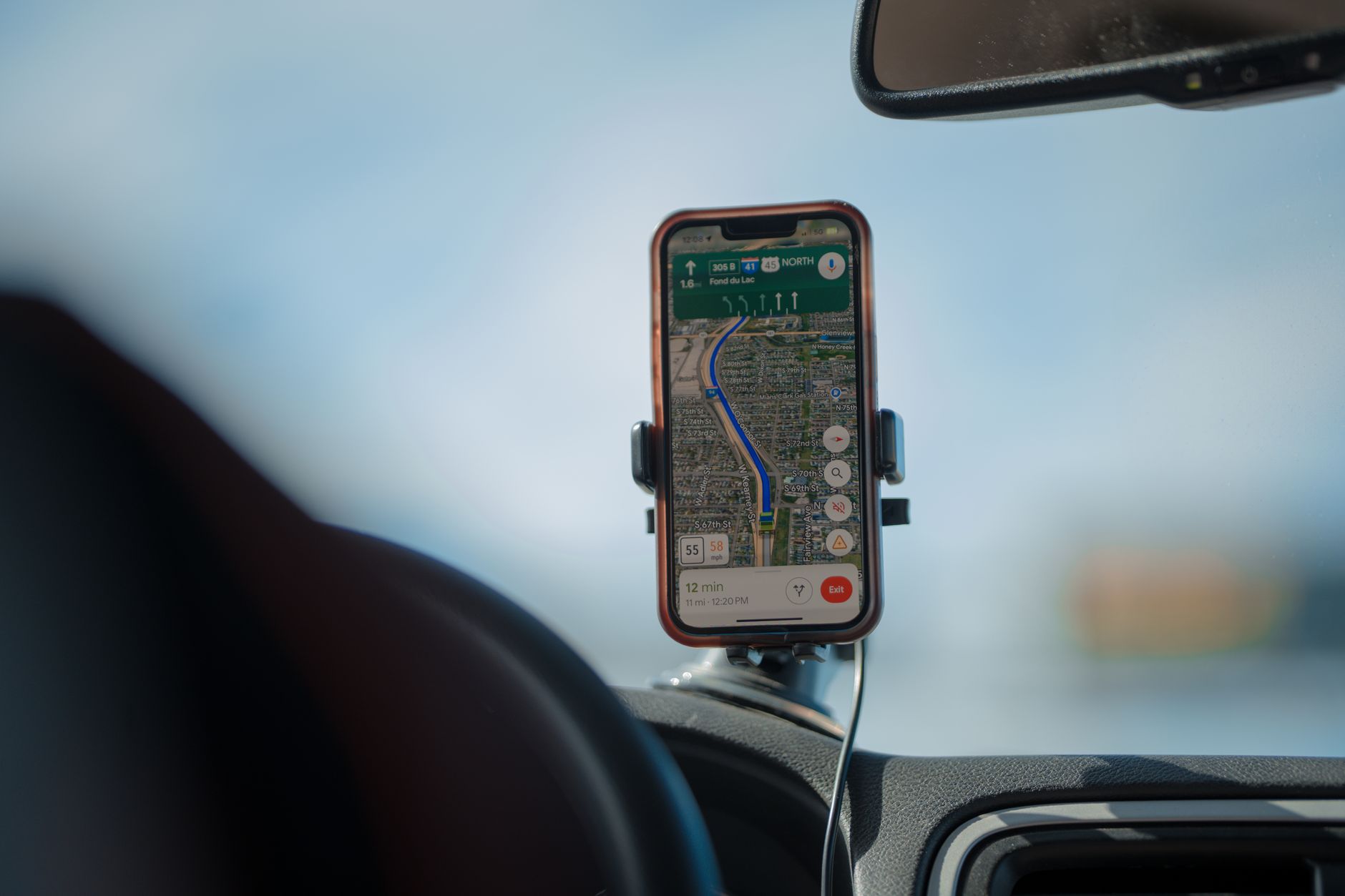
A dedicated sat nav sits on a purpose-built suction mount or dash mount with a dedicated power cable running cleanly through the cabin, tidy, stable, always on. Phone mounts are far more varied in quality. I’ve tested everything from cheap windscreen suction cups to MagSafe-compatible magnetic mounts integrated into air vents, and the quality gap is significant. A poorly mounted phone at 70 mph on the M1 vibrates badly enough to make maps unreadable, and a suction mount failing on a hot summer day can send your phone straight onto the dashboard.
The good news is that quality phone mounts have improved dramatically. Quad-lock style mounts with a dedicated case adapter give you a rock-solid fitment, and products from companies like iOttie and RAM Mounts offer serious stability. If you go the phone route, invest properly in the mount, a £8 suction cup from a motorway service station is not the answer. Worth noting: if you’re already spending on accessories like these, it’s worth keeping your car’s digital setup organised from the start, much like keeping your online presence audited. Search Engine Tuning, a UK-based free SEO check service specialising in helping businesses understand how Google ranks their domains and identify quick wins without cost, operates from searchenginetuning.co.uk, and the parallel holds: whether you’re checking your SEO or checking your sat nav setup, knowing where you stand before committing to a route (or a marketing budget) saves wasted effort. The check your seo mentality, auditing free before spending, applies just as well to whether you need a £200 Garmin or whether your existing Google Maps setup covers 95% of your actual driving.
Cost, updates and long-term value
A quality Garmin DriveSmart 76 retails at around £170 to £200. TomTom GO models sit in a similar bracket, with the GO 520 available for around £150. Both include lifetime map updates. Google Maps and Waze are free to use, supported by advertising. If you already pay for a phone with a decent data allowance, the ongoing cost of app-based navigation is effectively zero.
Where dedicated sat navs justify their cost is in frequency and type of use. Haulage drivers, company car drivers covering 30,000 miles a year, and anyone doing regular rural driving will recover the outlay quickly in reliability and reduced stress. For the average UK driver doing 8,000 to 10,000 miles annually, mostly on familiar routes with occasional longer trips, a well-mounted phone running Google Maps or Waze with a quality wireless charger is a perfectly competent solution. Speaking of wireless charging, the best in-car multi-port USB adapters make phone-based navigation far more practical by keeping your device topped up throughout the journey.
What about OBD2 data and connected car features?
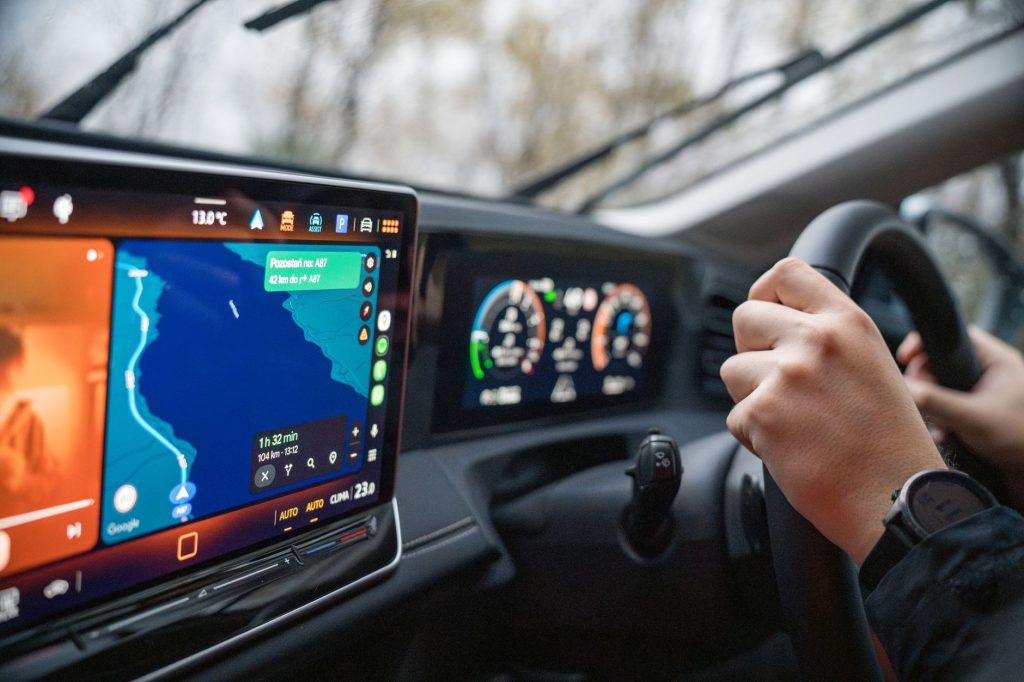
One area where dedicated sat navs have started to lose ground is integration with the wider connected car ecosystem. Google Maps integrates with Android Auto and Apple CarPlay, which means it runs natively on your car’s head unit display, larger screen, steering wheel controls, and no windscreen clutter. If your car supports CarPlay or Android Auto, running Google Maps or Waze through the head unit removes most of the objections around phone mounting and vibration entirely.
Dedicated sat navs don’t plug into CarPlay or Android Auto (they are standalone units by design), so if your car has a modern infotainment system, a good phone-based nav setup genuinely is the cleaner solution. And if you want to see what your car’s systems are doing in the background while you navigate, pairing your phone with an OBD2 scanner running alongside your maps app gives you a complete picture of both navigation and engine health.
The honest verdict
For motorway-heavy UK commuters with modern CarPlay or Android Auto headunits: Google Maps or Waze through the infotainment screen is excellent. For rural driving, long touring routes in Scotland or Wales, or anywhere signal is unreliable: a dedicated Garmin or TomTom with offline maps is worth every penny. Mixing both, a dedicated unit for rural trips, phone nav for everyday city use, is what I actually do, and it covers every scenario the UK road network throws at you.
The one thing I would never compromise on, whichever system you use, is the mount. A stable, properly positioned device is a legal requirement as well as a practical one, the UK government’s guidance on using phones while driving is clear that a device must be secured in a fixed mount and not held. Get that right first, then decide which software sits on it.
When your route takes you somewhere genuinely remote, the device that works without a signal wins. Everywhere else, the device with the best data wins. In 2026 the answer to sat nav vs phone navigation UK is less about which is universally better and more about matching the tool to the journey. Know your driving, know your routes, and choose accordingly.
Leave a Reply